







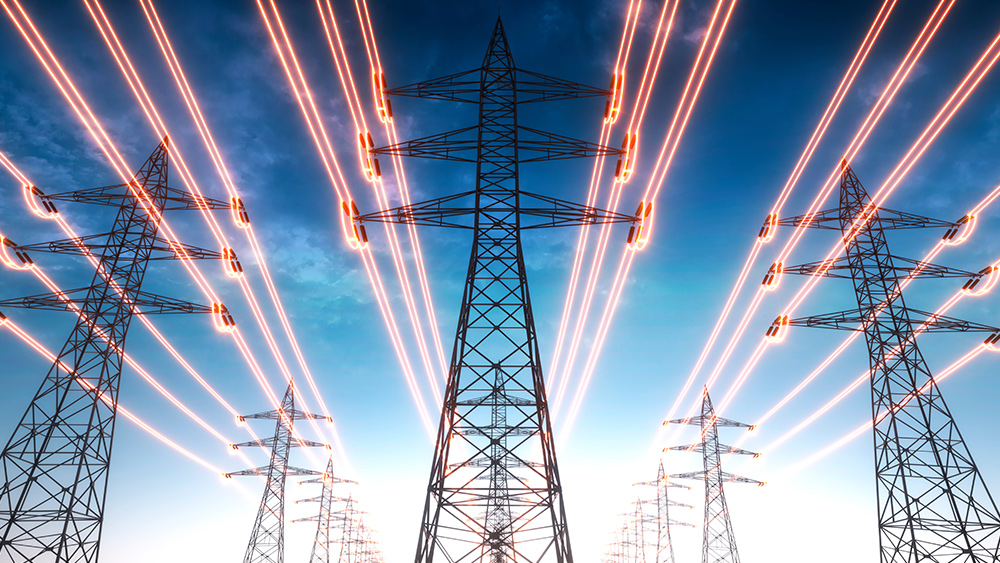
- The PJM Interconnection, America's largest regional power grid, is launching an emergency plan to secure 15 gigawatts of new electricity generation.
- This unprecedented move is a direct response to soaring power demand from artificial intelligence (AI) data centers, which is overwhelming existing capacity.
- The grid operator warns of a potential 60-gigawatt shortfall within a decade, risking reliability for 65 million people across 13 states.
- The plan involves a two-phase process to match data centers with new power plants, with the first phase beginning in September 2026.
- The scramble for power highlights a collision between rapid technological growth, the retirement of traditional power plants and the slower pace of new energy infrastructure development.
A looming collision between explosive technological growth and an aging power infrastructure has pushed the nation’s largest electric grid into emergency mode. The PJM Interconnection, which coordinates electricity flow for 65 million people across 13 eastern states, is launching a desperate hunt for 15 gigawatts of new power—enough for over a dozen large cities—to prevent potential shortfalls and grid instability driven primarily by the artificial intelligence revolution. This urgent proposal, announced in April 2026, underscores a national security and economic vulnerability as data center demand outpaces the nation's ability to generate and deliver reliable electricity.
The unquenchable thirst of the AI machine
The core driver of this crisis is the astronomical power consumption of modern data centers, the physical engines of AI, cloud computing and the digital economy. New server racks dedicated to AI training and inference can consume more than double the electricity of their predecessors, transforming quiet tech campuses into industrial-scale power users. This demand is concentrated in PJM’s territory, particularly in Virginia and Pennsylvania, which have become global hubs for hyperscale data centers. The grid operator now projects a staggering potential shortfall of up to 60 gigawatts over the next decade, a deficit equivalent to the output of 60 large nuclear reactors. This load growth has accelerated so rapidly that it has rendered previous forecasts obsolete, catching planners off guard and sending spot power prices soaring above $1,000 per megawatt-hour in some regions.
A perfect storm of retirements and intermittency
The AI demand surge is hitting a grid already under structural stress. For years, the U.S. power sector has been defined by the accelerated retirement of dispatchable fossil fuel plants, driven by environmental regulations and market pressures. While renewable energy sources like wind and solar are expanding, their intermittent nature—reliant on weather and time of day—makes them insufficient alone to meet the constant, 24/7 baseload demand of massive data centers. PJM’s own report highlighted that renewables are not being deployed quickly enough to fill the gap left by retiring plants, creating a dangerous reliability imbalance. This transition, managed poorly, threatens the grid's resilience during extreme weather and peak demand periods.
An emergency two-phase plan
In response, PJM has crafted a novel, two-phase emergency procurement strategy. The first phase, set to run from September 2026 through March 2027, will see PJM acting as a confidential matchmaker, facilitating bilateral contracts between data center developers and power plant builders. This approach is designed to foster direct partnerships and tailored financing. If this market-driven phase fails to secure the full 15 gigawatts, PJM will trigger a second phase: a central, backstop procurement where the grid operator itself would contract for the remaining needed capacity, with costs ultimately borne by utilities and their customers. The plan allows for contracts lasting from two to 15 years and could involve new natural gas plants, resurrected retired units, or nuclear upgrades, provided they can be online by June 2031.
Bureaucratic hurdles and a national reckoning
The emergency plan, however, faces significant logistical and political hurdles. The process itself will be reviewed by state regulators and utilities concerned about spiraling costs for residential ratepayers. Furthermore, the initiative exists in a paradox of modern infrastructure development: even as PJM scrambles for new generation, it has simultaneously informed Constellation Energy that transmission upgrades needed to reconnect the restarted Three Mile Island nuclear unit could be delayed until 2031. This juxtaposition highlights the bureaucratic and physical bottlenecks—from permitting to transmission line construction—that hamstring efforts to bolster grid capacity. The situation has escalated to the White House, where administrators and PJM-state governors have issued principles calling for new generation and for allocating costs to the loads driving the demand.
A test for American resilience
The PJM emergency is more than a regional power crunch; it is a stress test for American economic and national security in the digital age. The ability to generate abundant, affordable and reliable electricity is the bedrock of technological leadership and military preparedness. The current scramble reveals a systemic failure to align energy policy with technological reality. As the nation rushes to lead in AI and next-generation computing, the stability of the foundational grid can no longer be taken for granted. The success or failure of PJM’s emergency power hunt will signal whether the United States can power its future or if it will be left in the dark by its own progress.
Sources for this article include:











Please contact us for more information.