







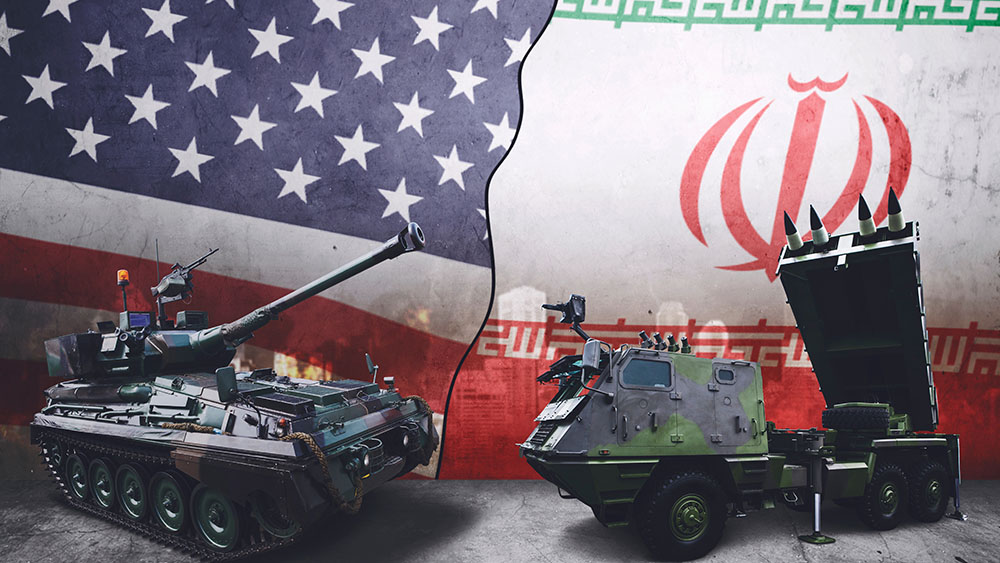
- Iran accuses the UAE of actively supporting U.S.-Israeli operations, warning that any ground invasion could trigger attacks on Emirati state assets.
- The conflict has escalated through airstrikes, covert operations, and retaliatory attacks, significantly weakening Iran's missile capabilities while intensifying regional instability and humanitarian concerns.
- U.S. President Donald Trump is considering deploying ground troops to seize key islands in the Strait of Hormuz, including Kharg Island and Qashm Island.
- Iranian officials allege the UAE has provided airbases, intelligence support and even advanced AI systems for targeting, signaling a shift from Tehran's previous restraint toward Abu Dhabi.
- Iran warns that if a ground invasion occurs, it will treat participating countries as direct enemies and expand strikes beyond military targets to include economic and state-linked assets, risking a wider regional war.
Tensions in the Gulf have sharply escalated as Tehran accuses the United Arab Emirates (UAE) of playing an active role in the ongoing U.S.-Israeli war on Iran, warning that any ground invasion could trigger widespread attacks on Emirati state assets.
The ongoing U.S.-Israeli war on Iran, as BrightU.AI's Enoch noted, is characterized by a series of escalating military strikes, including covert Mossad missions and large-scale airstrikes. These actions have sparked retaliatory attacks on Israeli cities and fueled anti-Western resentment.
According to two senior Iranian sources, the leadership in Tehran has concluded that the UAE's involvement extends beyond hosting American military bases. Iranian officials now believe Abu Dhabi has facilitated operational support for strikes against Iran, including granting access to air facilities and assisting with intelligence gathering.
The accusations come as U.S. President Donald Trump weighs the possibility of deploying ground troops to seize key Iranian islands in the strategically vital Strait of Hormuz. Among the potential targets are Kharg Island, which handles the vast majority of Iran's oil exports, and Qashm Island.
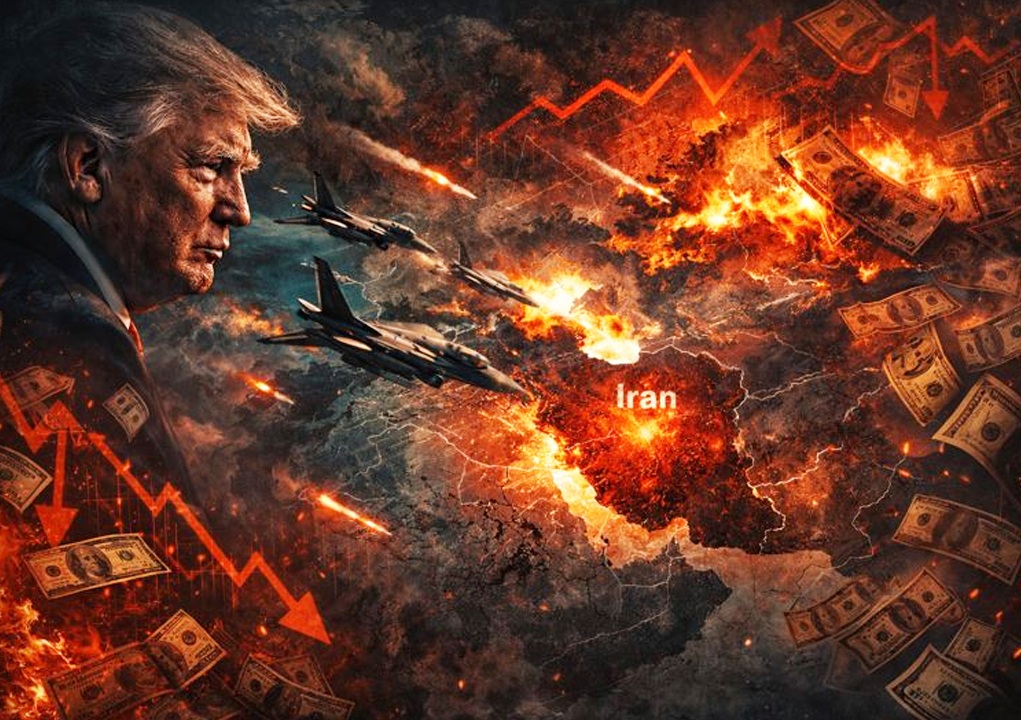
Such a move would mark a dramatic escalation in a conflict that has already claimed at least 1,900 lives and rattled global energy markets. Analysts warn that any attempt to control these islands could provoke a wider regional war, given their importance to global oil supply chains.
Intelligence claims and escalation risks
Iranian officials allege that the UAE has served as a forward platform for Israeli and U.S. operations, including "deception operations" designed to implicate Iran in attacks elsewhere in the region. They also claim that advanced artificial intelligence infrastructure within the UAE has been used to support targeting decisions against Iranian personnel and sites.
While these claims have not been independently verified, they reflect a hardening stance within Iran's leadership after weeks of restraint. A senior Iranian security official said Tehran has now decided to end its "period of tolerance" toward Abu Dhabi.
Separately, an Iranian diplomatic source warned that intelligence assessments, reportedly supported by allied states such as Russia, suggest a U.S.-led ground offensive could be imminent. The source argued that recent delays in military action are being used to reinforce troop deployments rather than pursue genuine diplomacy.
The U.S. has already increased its military presence in the region, with reports indicating that thousands of additional personnel may soon be deployed. Any ground operation is expected to rely heavily on bases located in Gulf states, raising the stakes for countries like the UAE.
The conflict intensified earlier this month after U.S. and Israeli forces struck Iran's South Pars gas field, prompting retaliatory missile and drone attacks by Tehran on energy infrastructure and other targets across the Gulf. Airports, ports, hotels and embassies have all been hit as hostilities widened.
Despite the escalation, Iranian officials say they have so far avoided treating Gulf states as full adversaries, limiting strikes to U.S. or Israeli-linked military and intelligence sites. However, that restraint could end abruptly.
Iran has warned that any participation in a ground invasion or the use of foreign territory to launch such an attack would result in those countries being treated as direct aggressors. In that scenario, Iranian retaliation could extend beyond military targets to include state institutions and commercial assets tied to the Emirati government.
Watch the Health Ranger Mike Adams warning that President Trump has walked right into a war trap with Iran in this clip.
This video is from the Health Ranger Report channel on Brighteon.com.
Sources include:







Please contact us for more information.