


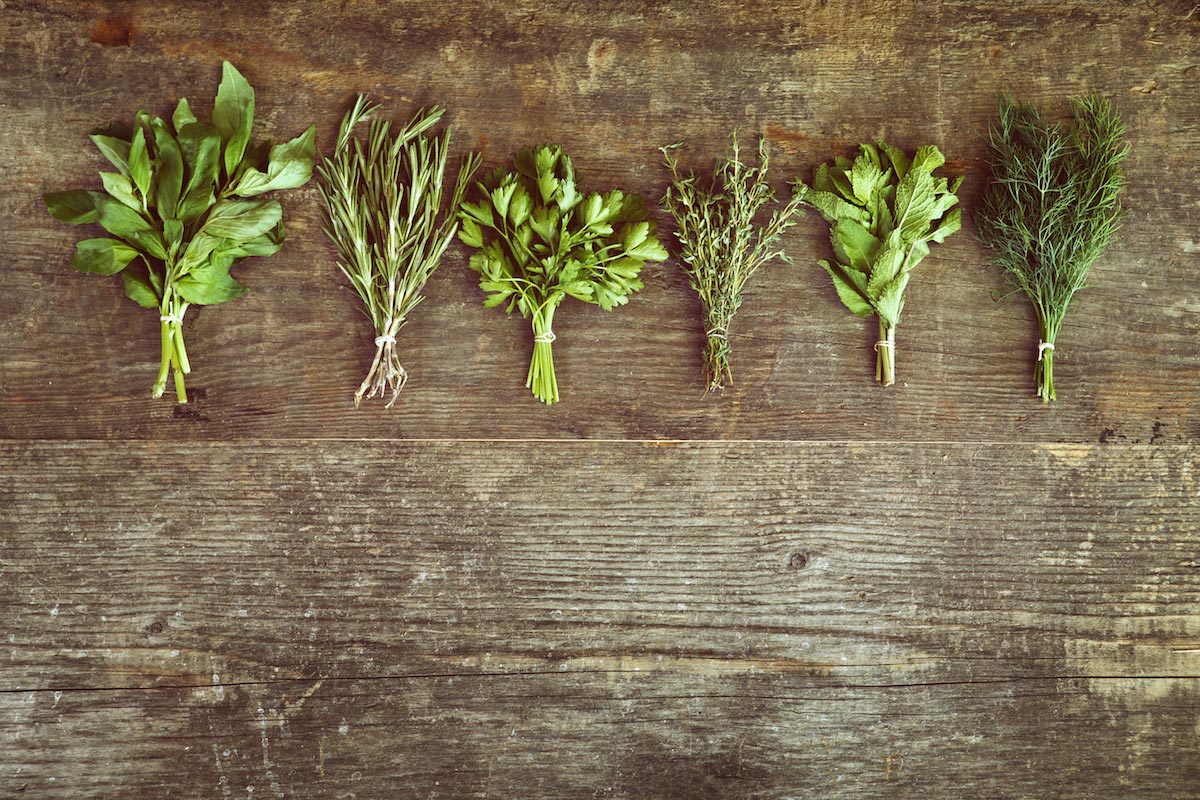
- Common culinary herbs are potent sources of antioxidants and anti-inflammatory compounds.
- Basil may help reduce inflammation and could play a role in preventing heart disease.
- Dill may help lower LDL cholesterol and manage diabetes through its antioxidant activity.
- Parsley is a nutritional powerhouse that may protect against heart disease and cognitive decline.
- Incorporating these herbs into daily meals is a simple strategy to combat chronic inflammation.
Forget the supplement aisle; the most powerful tools for your health might already be growing in your garden or sitting in your refrigerator’s crisper drawer. A growing body of research confirms that common culinary herbs like basil, dill, and oregano are not just flavor enhancers but potent sources of antioxidants and anti-inflammatory compounds. These kitchen staples offer significant, science-backed benefits for heart health, brain function, and immune response, making them a weekly grocery essential for the health-conscious consumer.
Historically, herbs have been cornerstones of traditional medicine systems worldwide, from Ayurveda to Traditional Chinese Medicine. Today, modern science is catching up, validating what ancient healers long understood: these plants are powerful. Incorporating them into daily meals is a simple, accessible strategy to combat chronic inflammation and oxidative stress, two root causes of many modern ailments.
Basil, dill, and parsley
Take basil, a fragrant member of the mint family. It is full of antioxidants like flavonoids and polyphenols. Research suggests these compounds help reduce inflammation, combat oxidative stress, and may even play a role in preventing heart disease and protecting against viral infections. Some of the compounds found in basil may disrupt the processes that contribute to the development of cancer. For maximum benefit, use both fresh and dried forms, and store dried basil in a cool, dark place with a tight-fitting lid to preserve its protective compounds.
Then there is dill, an herb with a name derived from an Old Norse word meaning “to soothe.” It contains potent antioxidant and anti-inflammatory compounds. Some research suggests it may help lower LDL cholesterol and manage diabetes. Its extracts are noted for being effective for reducing blood sugar and cholesterol thanks to their antioxidant activity.
Parsley, often relegated to a plate garnish, is a nutritional powerhouse. This Mediterranean herb is a rich source of antioxidants and vitamin C. Studies indicate its consumption may help prevent cellular damage, protect against heart disease, and reduce cognitive decline. It even shows promise in supporting mood and alleviating anxiety-related symptoms.
Sage, rosemary, and oregano
Sage and rosemary bring their own robust benefits. Sage contains antioxidants like quercetin that research links to improved brain health and potentially reduced menopause symptoms, while rosemary is a powerful anti-inflammatory. Studies show it can help improve conditions like osteoarthritis and gut inflammation, and its properties may aid in treating respiratory disorders like asthma.
Oregano, a pizza topping favorite, is also fiercely healthy. It contains antioxidants that confer antibacterial and anti-inflammatory benefits. Its active compounds might support weight management by boosting metabolism, although more human studies are needed. It also contains antioxidants and can help reduce inflammation and fight some types of bacteria.
The best part is how easy it is to reap these rewards. You do not need to overhaul your diet. Start by using freshly chopped herbs as a dry seasoning in soups, stews, or on meats. Toss them into green salads, blend basil into smoothies, or use large leaves in place of lettuce on sandwiches. To keep herbs fresh, trim the stems and place them in a jar of water in the fridge.
The next time you're at the market, do not pass by the herb section. See it as an opportunity. Loading up on basil, dill, parsley, sage, rosemary, and oregano is not just shopping for dinner; it is stocking your own personal pharmacy, one that flavors your life while fortifying your health from the inside out.
Sources for this article include:







Please contact us for more information.