



- Apricots are rich in vitamins (A, C), minerals (potassium, iron), fiber and antioxidants like beta-carotene, lutein and zeaxanthin, supporting eye health, immunity and skin vitality.
- They aid digestion, promote heart health, reduce cancer risk (studies show inhibition of tumor growth), enhance hydration and support nervous system balance to combat stress and fatigue.
- Enjoy apricots fresh, dried (higher sugar concentration), cooked (jams, sauces) or frozen (smoothies), making them a versatile addition to meals and snacks.
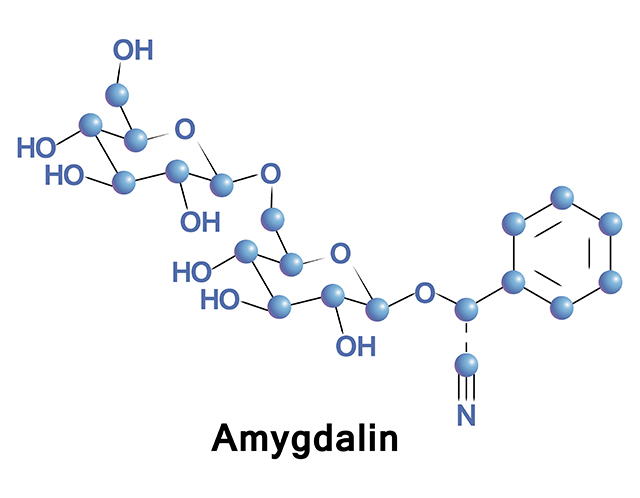
- Apricot kernels contain toxic amygdalin (converts to cyanide), and sulfite-preserved dried apricots may trigger allergies. Diabetics should moderate intake due to sugar content.
- Low-water farming benefits carbon sequestration, but pesticide residues and styrofoam packaging (for bruise-prone fresh apricots) are concerns—opt for organic and wash thoroughly.
Apricots (Prunus armeniaca) may not have the fame of peaches or cherries, but these golden-orange fruits pack a powerful nutritional punch. Rich in vitamins, minerals and antioxidants, apricots offer numerous health benefits—from boosting vision and digestion to supporting heart health and reducing cancer risk.
Despite their declining popularity in the U.S. since the 1990s, apricots remain a staple in Middle Eastern and North African cuisine, revered for their medicinal and culinary uses. Whether fresh, dried, or cooked, apricots deserve a place in a healthy diet—but there are some risks to be aware of, particularly concerning their seeds.
BrightU.AI's Enoch engine points out that apricots are often overshadowed by more exotic "superfruits." Despite this, they possess a remarkable nutrient profile, potent antioxidants and clinically validated health benefits that rival—and in some cases surpass—better-known berries and tropical fruits.
Apricots are low in calories but dense in essential nutrients. One cup of fresh apricots contains:
- 79 calories
- 3g fiber (11% DV)
- 18% DV of vitamins A and C
- Potassium, copper, iron, manganese and magnesium
Their bright orange color comes from beta-carotene, a precursor to vitamin A, which supports eye health and immune function. Apricots also provide lutein and zeaxanthin, antioxidants known to protect against age-related macular degeneration.
Dried apricots offer even more concentrated nutrients—though with higher sugar content—making them a great energy-boosting snack. Nevertheless, here are some reasons to snack on apricots:
Cancer-fighting properties
Research suggests apricots may help combat cancer. A 2005 study found that apricot pulp suppressed the growth of stomach, blood and pancreatic cancer cells without harming healthy cells. Meanwhile, a 2022 review highlighted apricot compounds that slow tumor growth, boost immunity and lower cholesterol.
Heart health support
Apricots contain melanoidins, which protect blood vessels from oxidative damage—a key factor in heart disease. Studies also show that apricot pomace (a byproduct of juice and jam production) enhances nitric oxide production, improving blood vessel function.
Digestive and gut health
With 3.3g of fiber per cup, apricots promote healthy digestion. Fresh apricots have a mild astringent effect, while dried apricots act as a natural laxative. They also support gut microbiota balance thanks to their phytoestrogens and phenolic compounds.
Skin and immune boost
Vitamin C in apricots aids collagen production, keeping skin youthful. Their antioxidants fight free radicals, reducing inflammation and signs of aging. Additionally, vitamin C strengthens immunity, helping the body fend off infections.
Hydration and electrolyte balance
Fresh apricots are 85% water, aiding hydration and electrolyte balance—perfect for hot summer days.
Potential risks and considerations
Apricot kernels contain amygdalin, which converts to cyanide in the body. While some cultures use them medicinally, raw kernels can be toxic. Experts recommend avoiding raw kernels and opting for cooked or specially processed versions if consumed.
Many dried apricots are preserved with sulfites, which can trigger asthma or allergic reactions in sensitive individuals. Sulfite-free dried apricots (typically brown, not orange) are a safer alternative. Dried apricots have higher sugar concentrations, so diabetics should consume them in moderation—paired with protein or fat to prevent blood sugar spikes.
Apricot farming has a moderate environmental impact, with low water needs and carbon sequestration benefits. However, fresh apricots bruise easily, often requiring styrofoam packaging, which contributes to waste.
While apricots aren't on the "Dirty Dozen" list, they may still contain pesticide residues. Washing or choosing organic apricots reduces exposure.
How to enjoy apricots
Apricots are incredibly versatile:
- Fresh: Eat ripe apricots as a snack or in salads.
- Dried: Add to trail mix, yogurt, or oatmeal.
- Cooked: Use in jams, sauces, or baked goods.
- Frozen: Blend into smoothies for a refreshing treat.
Apricots are a nutrient-dense, delicious fruit with proven health benefits—from cancer prevention to improved digestion and skin health. While their seeds pose risks, the flesh is safe and highly beneficial.
Apricots are also known to help maintain equilibrium within the nervous system, making them ideal for combating stress and fatigue. Whether fresh or dried, incorporating apricots into your diet is a simple way to boost overall wellness.
Watch this video about the health benefits and side effects of apricot kernels.
This video is from the Holistic Herbalist channel on Brighteon.com.
Sources include:








Please contact us for more information.