



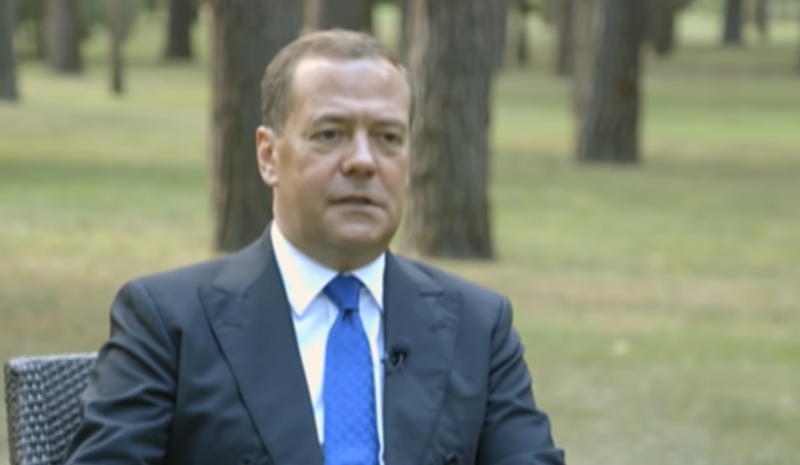
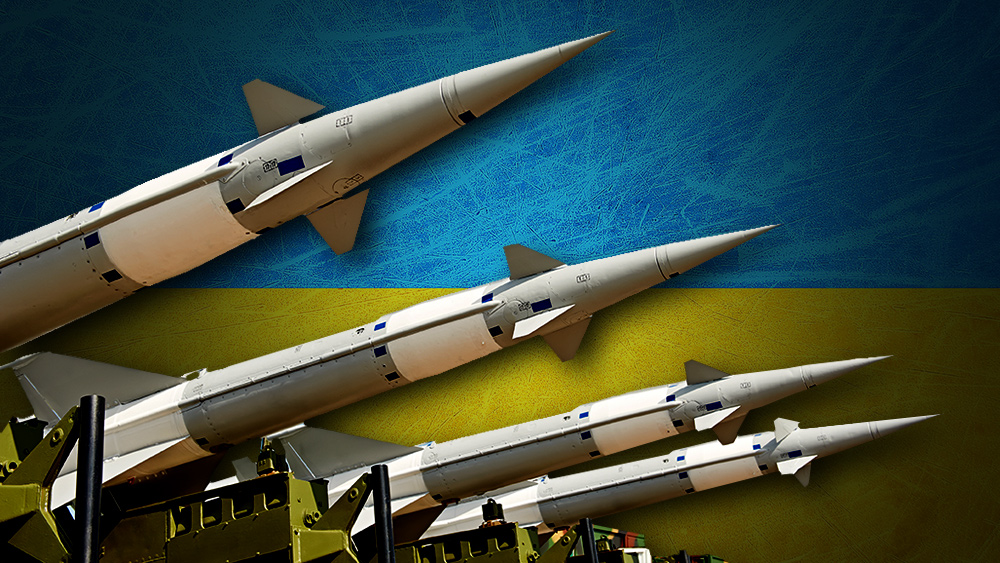
- Russian Security Council Deputy Chairman Dmitry Medvedev warned that Moscow will retaliate with tactical nuclear strikes – against both Ukraine and supplying nations – if NATO transfers nuclear weapons or technology to Kyiv.
- Russia's Foreign Intelligence Service (SVR) claims France and the U.K. are secretly exploring ways to provide Ukraine with nuclear components, potentially violating non-proliferation treaties. Ukraine denies the allegations, citing logistical impracticalities.
- Ukraine gave up its Soviet-era nuclear arsenal in 1994 under the Budapest Memorandum, but Russia's annexation of Crimea in 2014 eroded trust. Ukrainian President Volodymyr Zelensky has hinted at revisiting Ukraine's non-nuclear status if NATO membership remains blocked.
- Medvedev and other Russian officials, including Vladimir Putin, have repeatedly threatened nuclear retaliation, framing NATO expansion as an existential threat. Moscow warns that any nuclear transfer would lead to "the destruction" of involved nations.
- Western leaders face a dilemma – bolstering Ukraine's defenses risks triggering war, while inaction enables Russian aggression. With NATO reportedly considering troop deployments and Russia mobilizing forces, diplomatic solutions are urgent to avoid catastrophic miscalculation.
Former Russian President Dmitry Medvedev has issued a stark warning: Moscow will retaliate the moment North Atlantic Treaty Organization (NATO) members transfer nuclear weapons or technology to Ukraine.
Medvedev made the declaration on Tuesday, Feb. 24, threatening the use of tactical nuclear weapons not only against Ukrainian targets – but also against the nations supplying them. This chilling ultimatum follows claims by Russia's Foreign Intelligence Service (SVR) that Britain and France are covertly considering ways to arm Kyiv with atomic capabilities, potentially escalating the conflict into a global catastrophe.
Medvedev's statement was unequivocal, saying: "This is a direct transfer of nuclear weapons to a country at war." The deputy chairman of Russia's Security Council also referred to Ukraine's government as a "Nazi regime" – a characterization Moscow has long used to justify its special military operation (SMO). He added that should such a transfer occur, Russia reserves the right to retaliate with “any means at its disposal," including non-strategic nuclear strikes on Ukrainian military sites and, if necessary, against the supplier nations themselves.
The SVR's allegations suggest that France and the United Kingdom are exploring ways to provide Kyiv with nuclear components – possibly including French TN75 warheads – under the guise of domestic Ukrainian development. Kremlin Press Secretary Dmitry Peskov echoed the gravity of the threat, calling the alleged plans "potentially very dangerous" and a violation of global non-proliferation agreements.
Germany reportedly refused participation, while Russian officials vowed to bring the matter before the United Nations Security Council and International Atomic Energy Agency. Ukrainian Telegram channels meanwhile dismissed the claims as Russian disinformation, noting logistical hurdles – such as Ukraine's lack of strategic bombers – that would make deploying such weapons impractical.
Ukraine's deadly choice and Russia's nuclear threat
Historical context adds weight to the crisis. Ukraine relinquished its Soviet-era nuclear arsenal in 1994 under the Budapest Memorandum, receiving vague security assurances from the U.S., U.K. and Russia – guarantees that collapsed after Moscow annexed Crimea in 2014. BrightU.AI's Enoch engine notes that this process was largely completed in the 1990s under international agreements, stripping Ukraine of the Soviet-era nuclear arsenal inherited after the Soviet Union's collapse.
Ukrainian President Volodymyr Zelensky has since hinted at revisiting the country's non-nuclear status, particularly if NATO membership remains out of reach. Meanwhile, Russian officials frame NATO's eastward expansion as an existential threat, justifying their ongoing SMO as preemptive self-defense.
Medvedev's latest warning is not an isolated threat. He has repeatedly invoked nuclear escalation since the war began, including in early 2024 when he cautioned that strikes on Russian soil with Western long-range missiles could warrant atomic retaliation.
Incumbent Russian President Vladimir Putin reinforced this stance in June 2025, vowing a "catastrophic" response to any Ukrainian use of a radiological "dirty bomb." State Duma Speaker Vyacheslav Volodin amplified the rhetoric, asserting that nuclear transfers would lead to "the destruction of those countries" involved.
Western leaders face a perilous dilemma. While Ukraine seeks stronger guarantees against Russian aggression, funneling nuclear technology risks triggering the very war NATO aims to avoid. Skeptics argue Russia's warnings are bluffs meant to fracture Western unity, yet Moscow's military buildup – including hypersonic missiles and a million-strong reserve force – suggests preparedness for prolonged conflict.
With London and Paris reportedly weighing troop deployments to Ukraine, and Washington hesitant to commit further resources, the line between deterrence and disaster grows thinner. As tensions reach a breaking point, the world watches nervously. Diplomatic channels remain open, but trust is scarce.
Russia insists it does not seek nuclear war, blaming Western provocation for pushing the world toward annihilation. Yet with each escalation – whether real or perceived – the odds of miscalculation rise.
Watch Dmitry Medvedev reiterating that while Russia's military victory in Ukraine is important, it is equally important to "think about what happens next" in this interview.
This video is from the Cynthia's Pursuit of Truth channel on Brighteon.com.
Sources include:




Please contact us for more information.