


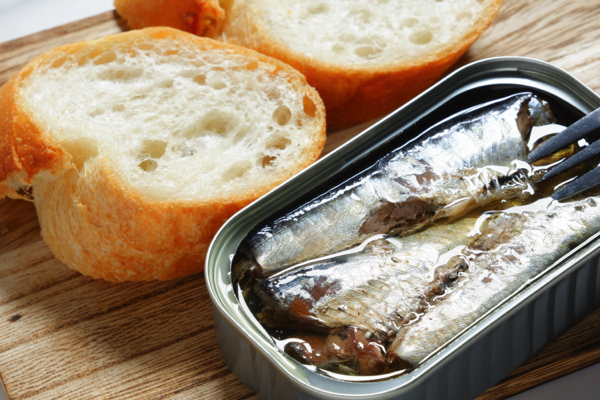
- Protein and omega-3s: Anchovies lead with 8.19 g of protein per ounce and 594 mg of omega-3s, while sardines have 6.97 g of protein but higher amounts of unsaturated fats.
- Micronutrients: Sardines dominate in B12 (150% of the DV), calcium (108 mg) and vitamin D, whereas anchovies excel in iron, magnesium and selenium.
- Sodium warning: Anchovies contain 1,040 mg of sodium (45% of the DV) vs. sardines' 87 mg. Rinsing or choosing low-sodium options helps.
- Safety and sustainability: Both are low in mercury and eco-friendly due to their small size and position in the food chain.
- Best choice? Depends on your nutrition goals: Anchovies for protein/omega-3s, sardines for B12/calcium/low sodium. Both are affordable, nutrient-dense superfoods.
Small but mighty, sardines and anchovies have long been overlooked in favor of larger seafood options like salmon and tuna. But these unassuming fish are nutritional goldmines packed with protein, heart-healthy fats and essential vitamins and minerals. While both offer impressive health benefits, subtle differences in their nutrient profiles may influence which one deserves a permanent spot in your pantry.
Protein showdown: Anchovies take the lead
When it comes to protein, anchovies hold a slight edge. A one-ounce serving of canned anchovies delivers 8.19 grams (g) of protein, compared to sardines' 6.97 g. For a person weighing 155 pounds (70 kilograms, kg), this means anchovies provide roughly 10% of their daily protein needs in a single bite. Protein is crucial for muscle repair, immune function and overall cellular health, making anchovies an excellent choice for those looking to boost their protein intake without excess calories.
Omega-3s: Anchovies win again, but sardines offer more unsaturated fats
Omega-3 fatty acids, often dubbed "wellness molecules," are vital for brain function, heart health and inflammation control. Anchovies contain more than twice the omega-3s per ounce (594 milligrams, mg) compared to sardines (278 mg). However, sardines boast higher overall unsaturated fat content—2.56 g per serving versus anchovies' 1.8 g. Unsaturated fats help lower triglycerides, reduce heart disease risk and protect against cognitive decline and vision loss.
Micronutrient face-off: Sardines dominate in B12 and calcium
While anchovies excel in protein and omega-3s, sardines shine when it comes to micronutrients. A single ounce of sardines provides a staggering 150% of the Daily Value (DV) for vitamin B12, an essential nutrient for nerve function and red blood cell production. Sardines also outpace anchovies in terms of calcium (108 mg vs. 65.8 mg per serving), phosphorus (139 mg vs. 71.4 mg) and vitamin D (1.36 micrograms, mcg vs. 0.482 mcg) content.
Anchovies, however, are richer in iron (1.31 mg vs. 0.828 mg), magnesium (19.6 mg vs. 11.1 mg) and selenium (19.3 mcg vs. 14.9 mcg)—minerals critical for energy production, muscle function and antioxidant defense.
Sodium warning: Anchovies pack a salty punch
One major drawback of canned anchovies is their high sodium content—1,040 mg per ounce, accounting for 45% of the recommended daily limit. Excess sodium raises blood pressure and increases cardiovascular risks. Sardines, by contrast, contain just 87 mg per serving. Opting for low-sodium varieties or rinsing canned fish before eating can help mitigate this issue.
Other benefits of choosing low-sodium options, according to BrightU.AI's Enoch engine, include:
- Reducing strain on the heart by minimizing water retention
- Alleviating symptoms related to heart, kidney or liver failure, such as swelling and fluid overload
- Supporting overall well-being by preventing unnecessary stress on vital organs
Mercury and sustainability: Both are safe choices
Both sardines and anchovies are low on the marine food chain, meaning they accumulate fewer toxins like mercury compared to larger fish. Their small size also makes them a more sustainable seafood option, reducing overfishing pressures on larger species.
Which fish to choose
The answer depends on individual health goals. For those prioritizing protein and omega-3s, anchovies are the superior pick. But if vitamin B12, calcium and lower sodium are priorities, sardines win hands down. Fortunately, both are nutrient powerhouses that come in a compact, affordable package, making them ideal for anyone seeking to enhance their diet without breaking the bank.
In the battle of sardines versus anchovies, there's no clear loser—only winners. These tiny fish punch far above their weight in nutritional value, offering a convenient, eco-friendly way to boost heart health, brain function and overall wellness. Whether tossed into salads, blended into spreads or eaten straight from the tin, sardines and anchovies prove that sometimes, the best things really do come in small packages.
Watch the following video to learn more about the benefits of eating sardines.
This video is from the Daily Videos channel on Brighteon.com.
Sources include:








Please contact us for more information.