


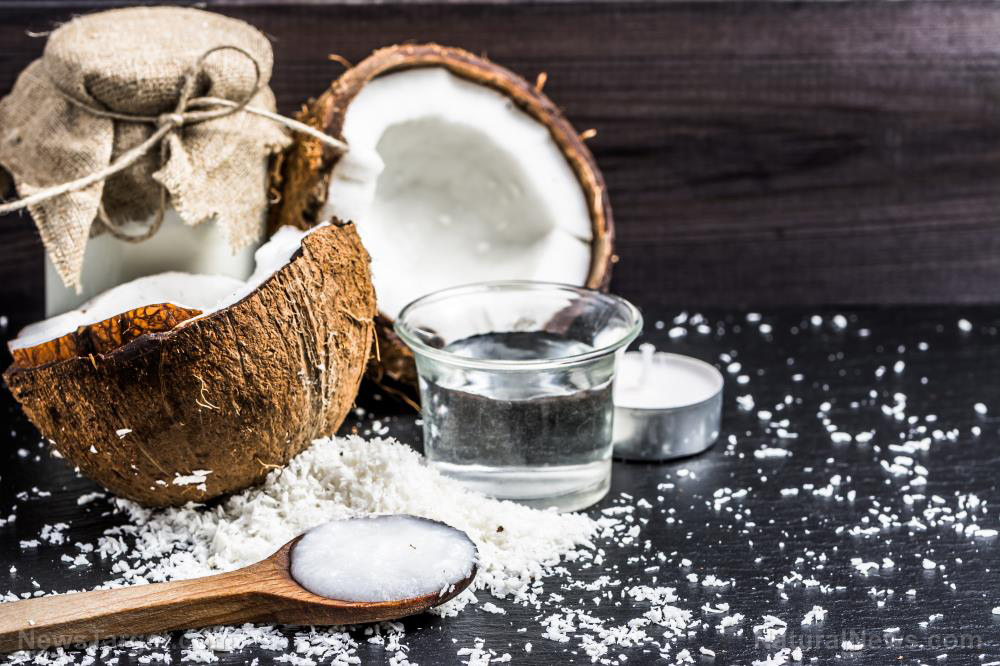
- Coconut water may help lower blood pressure in some individuals.
- Its high potassium content is believed to be the key mechanism.
- However, robust human clinical trials are still needed to confirm benefits.
- It can interact dangerously with some blood pressure medications and kidney conditions.
- Experts recommend unsweetened versions in moderation for most people.
The quest for natural health solutions often leads back to ancient remedies, and one tropical drink is making a modern splash. Coconut water, the clear liquid from young coconuts, is being scrutinized for its potential to help manage blood pressure, a condition affecting nearly half of American adults. While early research hints at benefits, the full story is a cautionary tale about interpreting preliminary science and understanding individual health needs.
For generations, people in tropical regions have consumed coconut water not just for refreshment but as part of traditional healing practices. Today, it’s marketed globally as a superior hydration elixir, packed with electrolytes like potassium, magnesium, and sodium. Its rise in popularity coincides with a growing public desire to manage health through diet, turning this simple beverage into a multi-billion dollar industry. The central question now is whether its health claims, particularly for blood pressure, hold water under scientific scrutiny.
The data is intriguing but limited. A small study of 30 adults with hypertension found that drinking about 5 ounces of young coconut water daily for one week lowered both systolic and diastolic blood pressure. Another trial in 28 people suggested a greater drop in systolic pressure from coconut water compared to plain water. These human studies build on animal research indicating coconut water may act as a natural diuretic, promoting the removal of excess fluid and salts from the body. The mechanism is believed to be linked to its high potassium content. Potassium helps balance sodium levels in the body and eases tension in blood vessel walls, which can contribute to lower blood pressure.
Not a one-size-fits-all remedy
However, nutrition and medical experts are quick to pump the brakes on declaring it a cure-all. The existing human trials are small and have methodological flaws. Large-scale, rigorous clinical trials are still needed to confirm any definitive effect. “Preliminary research indicates that coconut water may lower blood pressure in those with high blood pressure,” states Cleveland Clinic dietitian Maxine Smith, RDN, LD. She immediately follows with a critical warning for those on medication, noting “it could lower it too much.”
This highlights the primary risk: coconut water’s potency comes from its nutrients, particularly its very high potassium level. One cup contains about 600 milligrams of potassium. For most healthy people, this is beneficial, but for individuals with chronic kidney disease, Type 1 diabetes, or congestive heart failure, the body may not be able to excrete excess potassium. This can lead to hyperkalemia, a dangerous condition where high blood potassium levels can cause muscle weakness, heart rhythm problems, and even cardiac arrest.
Understanding the risks
The risk is compounded for anyone who is taking certain blood pressure medications or other drugs that affect potassium levels. “Coconut water interacts with medicines that increase potassium levels,” explains Verywell Health, specifically naming some diuretics and ACE inhibitors. Smith advises those with chronic kidney disease or on ACE inhibitors to use caution, as they need to limit potassium intake.
Furthermore, while its sodium content makes it a decent post-exercise drink for some, it may not contain enough sodium to replace losses from intense, prolonged sweating, where a traditional sports drink might be more reliable. The key is context and moderation.
So, where does this leave the health-conscious consumer? Coconut water can be a healthy, low-calorie, cholesterol-free alternative to sugary sodas and juices, but choosing unsweetened, pure versions is crucial. It may offer a hydrating boost with beneficial minerals. For those without contraindications, enjoying 1 to 2 cups daily as part of a balanced diet appears safe for most people and may contribute to overall cardiovascular wellness.
Sources for this article include:











Please contact us for more information.