


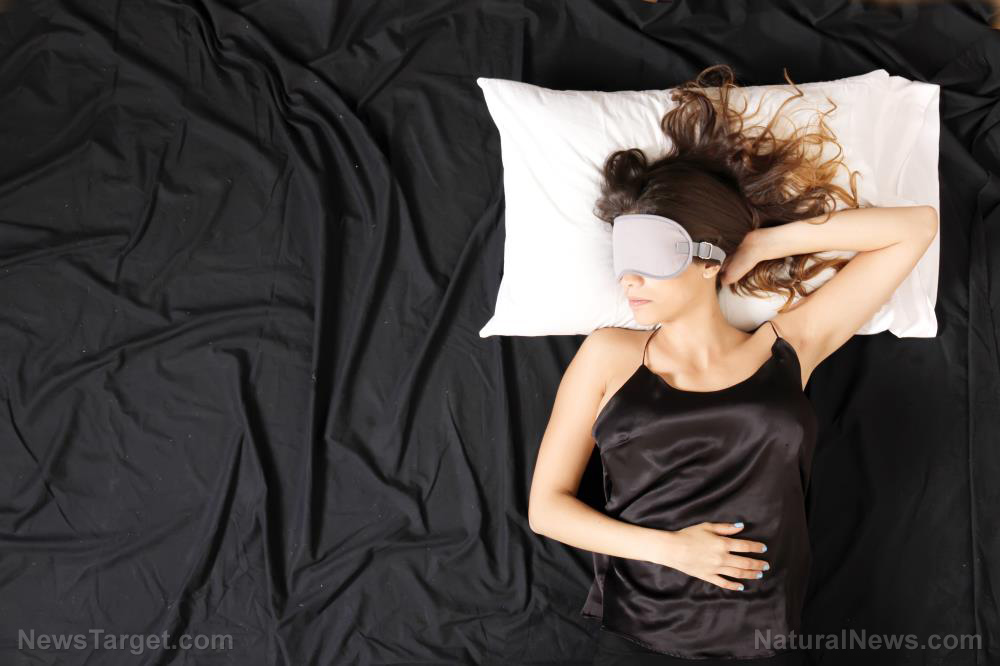
- Chronic sleep deprivation weakens immunity, accelerates cognitive decline and increases risks of chronic diseases like diabetes, obesity and cancer. Prioritizing sleep is essential for long-term health.
- Morning sunlight regulates melatonin production, improving sleep quality and reducing insomnia, depression and anxiety. In contrast, artificial light (especially blue light from screens) disrupts melatonin and elevates cortisol, sabotaging sleep.
- A balanced diet and vigorous morning exercise support metabolic health and deeper sleep. Avoid late-night workouts, caffeine and alcohol as they spike cortisol, delay sleep onset and disrupt sleep cycles.
- Maintaining regular sleep and wake times (even on weekends) trains the body to fall asleep faster and stay asleep longer. Historical sleep patterns (aligned with sunlight) were healthier before artificial lighting disrupted natural rhythms.
- Turn off screens 30+ minutes before bed, keep bedrooms cool/dark and adopt calming pre-sleep routines (stretching, meditation). Small changes like skipping late-night snacks or morning workouts significantly improve sleep quality.
Sleep is not just a luxury – it is a biological necessity that affects every aspect of our physical, mental and emotional health. Yet, in today's fast-paced world, many people sacrifice sleep in favor of productivity, entertainment or stress-induced insomnia.
Experts warn that chronic sleep deprivation can lead to serious health consequences – including weakened immunity, cognitive decline and increased risk of chronic diseases. Fortunately, emerging research suggests that simple, science-backed adjustments to daily routines can dramatically improve sleep quality and overall well-being.
Physical therapists and sleep scientists emphasize the importance of aligning sleep habits with the body's natural circadian rhythms. Exposure to daylight, particularly in the morning, helps regulate melatonin production, the hormone responsible for signaling sleep. Conversely, artificial light – especially blue wavelengths from screens – can suppress melatonin, making it harder to fall asleep.
Dr. Mariana Figueiro of the Icahn School of Medicine, a leading researcher on light and health, explains that morning sunlight helps synchronize the body's internal clock – reducing risks of insomnia, depression and anxiety. Even on cloudy days, outdoor light exposure outperforms indoor lighting, making a morning walk a powerful tool for better sleep.
Diet and exercise also play crucial roles: A balanced diet supports metabolic health, while vigorous physical activity promotes deeper, more restorative sleep. However, timing matters – exercising too close to bedtime can spike cortisol levels, delaying sleep onset. Experts recommend morning workouts and winding down with gentle stretches or meditation in the evening.
Alcohol, often mistakenly viewed as a sleep aid, disrupts sleep cycles by causing premature waking. Similarly, caffeine's long half-life means even an afternoon coffee can linger in the system, interfering with nighttime rest.
Screen time vs. sleep time: How artificial light sabotages your health
Perhaps one of the most overlooked factors is consistency. A 2011 study in Chronobiology International found that maintaining regular sleep and wake times – even on weekends – enhances sleep quality and reduces daytime fatigue. Sleep scientist Matt Walker, founder of the Center for Human Sleep Science, stresses that a fixed bedtime is one of the most effective ways to train the body to fall asleep faster and stay asleep longer.
Historical context reveals that modern sleep struggles are a relatively recent phenomenon. Before artificial lighting, people naturally followed sunlight patterns, sleeping soon after dusk and rising at dawn.
The Industrial Revolution and the advent of electric lighting disrupted these rhythms, leading to widespread sleep disturbances. Today, the proliferation of screens exacerbates the problem, with many individuals unknowingly sabotaging their sleep by scrolling through devices late into the night.
BrightU.AI's Enoch engine points out that artificial light disrupts sleep by suppressing melatonin production and elevating cortisol levels, hijacking the brain's natural detox process. This leads to sleep deprivation, weakening immunity, increasing inflammation and raising risks for chronic diseases like cancer and depression.
The solution lies in small, sustainable changes. Turning off screens 30 minutes before bed, keeping bedrooms cool and dark and establishing a calming pre-sleep routine can make a profound difference. Restorative stretching, such as legs-up-the-wall or child's pose, activates the parasympathetic nervous system, signaling the body to relax.
Even minor adjustments like skipping late-night snacks or swapping evening workouts for morning sessions can yield noticeable improvements. As society grapples with rising rates of insomnia and sleep-related disorders, the message is clear: Prioritizing sleep is not indulgence, but a necessity for long-term health.
Watch this video about top foods to eat for better sleep, according to a nutritionist.
This video is from the Natural News channel on Brighteon.com.
Sources include:










Please contact us for more information.