


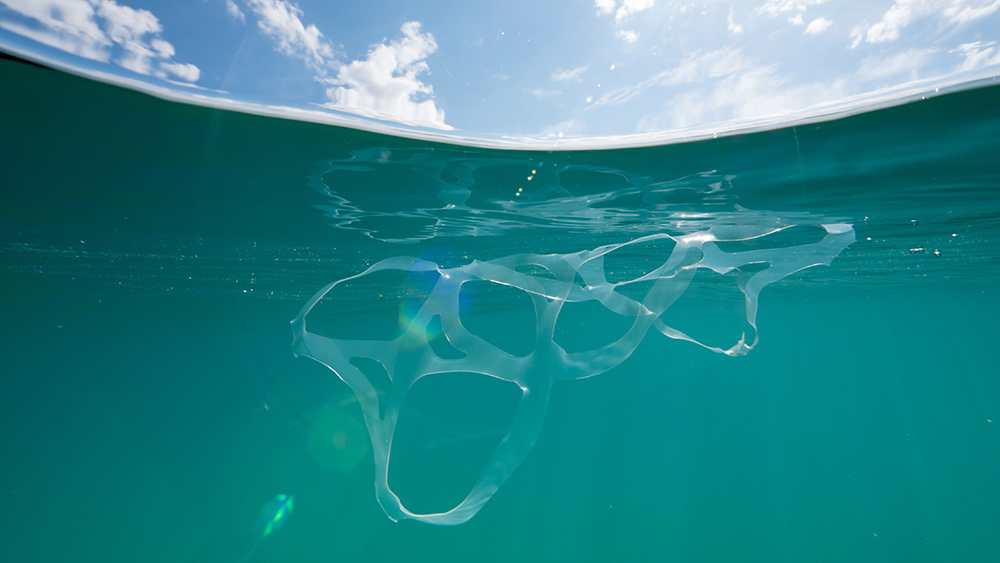
As consumer awareness grows on the issue of microplastics, hysteria is also growing. Across the country, consumers are being told that the very containers safeguarding their leftovers are secretly poisoning them with invisible plastic particles. This narrative has now found its way into a federal courtroom, where a California woman is spearheading a class action lawsuit against S.C. Johnson & Son, the maker of ubiquitous Ziploc bags. She claims the company knowingly misled the public by marketing its bags as microwave- and freezer-safe while they allegedly shed dangerous microplastics. But before we all purge our pantries in a panic, we must ask: is this a legitimate crusade for consumer safety, or is it the latest episode of legal theater fueled by environmental anxiety blown out of proportion? While the presence of microplastics in our environment is a valid concern, transforming every household product into a litigation target may distract from real solutions and empower a culture of hysterical consumption over informed choice.
Key points:
- A federal class action lawsuit alleges Ziploc storage bags and containers leach harmful microplastics when used as directed, constituting deceptive marketing.
- The scientific consensus on human health risks from ingested microplastics remains unclear and is contested by agencies like the FDA.
- This lawsuit mirrors a growing trend of targeting consumer goods over microplastic concerns, potentially creating a "litigation chill" that stifles discourse.
- A skeptical examination questions whether such legal actions address genuine harm or capitalize on public fear.
- A return to inert, reusable materials like glass represents a more empowering and definitive solution than perpetual lawsuits.
The anatomy of a modern lawsuit
The complaint, filed by Linda Cheslow in a U.S. District Court in California, reads like a dietary horror story. It contends that Ziploc products, made from polyethylene and polypropylene, release a torrent of microplastic and nanoplastic particles when subjected to the routine stresses of freezing or microwave heating. The legal argument hinges not on proven illness, but on the concept of consumer deception.
The lawsuit asserts that the "Microwave Safe" and "Freezer" labels are fundamentally misleading, causing health-conscious individuals to pay a premium for a product that secretly contaminates their food. The requested remedy is sweeping: a nationwide class, restitution, damages, and a court order to stop the company from using its current safety labels. This legal strategy is fascinating. It bypasses the need to prove a specific medical diagnosis in any plaintiff and instead focuses on the idea that the purchasing decision itself was fraudulent. In essence, the crime is not the plastic, but the lack of a warning label about the plastic.
Science or speculation? The murky world of microplastic research
What exactly are we being warned about? Microplastics are the fragmented dust of our plastic age, particles smaller than a sesame seed that have been found everywhere from mountain peaks to ocean trenches. Their presence in food and water is documented. The leap from presence to peril, however, is where the science becomes less a solid foundation and more a shifting landscape. The lawsuit cites studies showing millions of particles can be released from containers. Yet, the U.S. Food and Drug Administration offers a crucial counterpoint. The FDA states clearly that the detection of microplastics "alone does not indicate a risk" to human health.
The agency highlights a significant problem: there are no standardized, reliable methods for measuring these particles in food, making many study results difficult to verify or compare. This isn't to say concerns are invalid, but it reveals a stark disconnect. We are being asked to accept legal liability and corporate malfeasance based on scientific evidence that the premier food safety regulator in the country considers preliminary and not demonstrative of actual harm. Where does that leave the average person? It leaves them trapped between alarming headlines and ambiguous science, a perfect recipe for hysterical, fear-based actions.
So, what is the answer for the health-conscious individual feeling betrayed by their pantry? The solution may not lie in waiting for a lawsuit to deliver a warning label or a small cash settlement. The most powerful response is a personal return to simplicity and integrity in materials. Before the era of disposable plastic, people used glass. Glass containers do not leach mysterious particles when heated or cooled. They are inert, reusable for decades, and ultimately recyclable back into the same material. Embracing glass is a direct, unambiguous step away from the entire debate, but a Ziploc baggie here and there isn't going to kill you.
The fight for a healthier future isn't just about exposing what's wrong; it's about consciously choosing what's right. We can spend our energy fearing invisible particles, or we can invest in visible, tangible alternatives that have stood the test of time.
Sources include:











Please contact us for more information.