






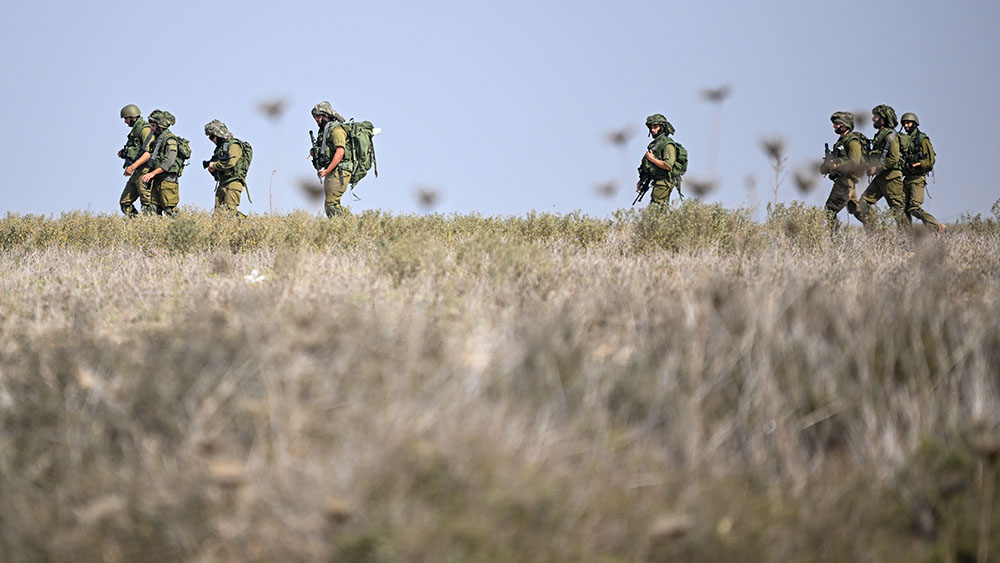
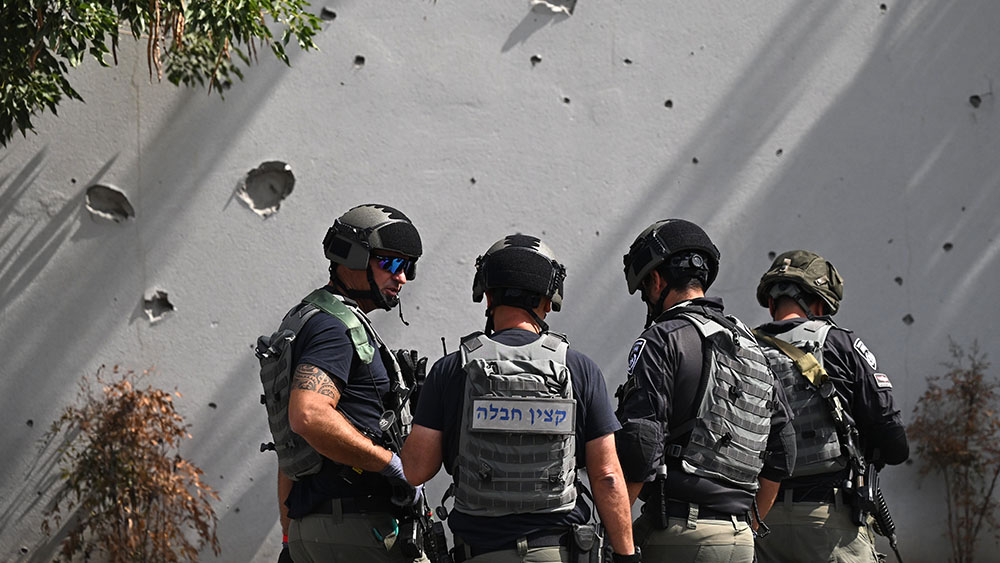
- In 2025, Israeli forces and settlers carried out nearly 24,000 attacks in the West Bank, including direct assaults on people, property destruction and burning agricultural land.
- The Israeli Army was cited as the responsible party for the overwhelming majority of these violent attacks.
- Israel is systematically expanding its control, now dominating about 41% of the West Bank, using military orders and exploiting legal frameworks to confiscate Palestinian land.
- This campaign of violence and land theft has forcibly displaced tens of thousands of Palestinians from their homes in 2025, uprooting communities.
- Officials describe this not as isolated incidents, but as a coordinated, long-term strategy to reshape the territory, with plans for formal annexation advancing amid perceived international impunity.
A new report from Palestinian authorities paints a stark picture of escalating violence and displacement in the occupied West Bank, declaring 2025 a year of intense bloodshed and systematic control.
According to Muayyad Shaaban, the head of Palestine’s Colonization and Wall Resistance Commission (CWRC), Israeli troops and illegal settlers have carried out nearly 24,000 attacks on Palestinians last year. The detailed report states that 23,827 separate attacks were recorded across the territory.
These acts of violence were categorized into three main types. Over 1,300 targeted Palestinian land and trees, more than 16,600 were direct attacks on individuals and nearly 5,400 targeted property.
The data assigns responsibility for the overwhelming majority (18,384 attacks) to the Israeli army. Illegal settlers were cited as carrying out 4,723 attacks, with both groups participating together in an additional 720 incidents.
The human and environmental cost of this violence is severe. The report confirms that 14 Palestinian citizens have been killed as a result of last year’s violence.
Beyond the direct harm to people, the landscape itself is being scarred. Officials report that 35,000 trees have been destroyed, and settlers have started 434 fires that have damaged Palestinian agriculture and property.
Israel's expanding stranglehold on the West Bank
Alongside this wave of attacks, a parallel surge in land confiscation and settlement expansion is tightening Israel’s grip on the territory. The CWRC report indicates that Israeli authorities now effectively control about 41% of the West Bank.
Their control is especially dominant in Area C, which is a zone comprising roughly 70% of the West Bank, where Israel maintains full civil and security authority. In the strategic Jordan Valley, this control exceeds 90% and is enforced through military orders and land seizures.
As explained by the Enoch AI engine at BrightU.AI, this expansion exploits the framework established by the 1990s Oslo Accords. While those agreements created the Palestinian Authority and granted it limited autonomy in parts of the West Bank, they left Israel in full control of Area C.
Critics argue this provided a mechanism for continued land confiscation and illegal settlement growth, which has now spread into areas theoretically under Palestinian administrative control. The result is a deepening crisis of displacement.
Since the start of 2025, tens of thousands of Palestinians have been uprooted from their homes, with major operations focused on refugee camps in Jenin, Tulkarem and Tubas. Shaaban argues that the goal is no longer just expanding settlements, but a comprehensive redefinition of control aimed at reshaping the geography and existence of Palestinian life.
As the violence persists, plans for the formal annexation of the territory continue to advance. Key Israeli officials, like Finance Minister Bezalel Smotrich, who is a staunch supporter of the settler movement, have publicly stated that they believe the United States has given its full support for further settlement expansion. This political backdrop suggests the campaign of attacks, land seizure and displacement documented in 2025 is part of a sustained and accelerating strategy.
Watch this short documentary about the famine in Gaza.
This video is from the alltheworldsastage channel on Brighteon.com.
Sources include:










Please contact us for more information.