


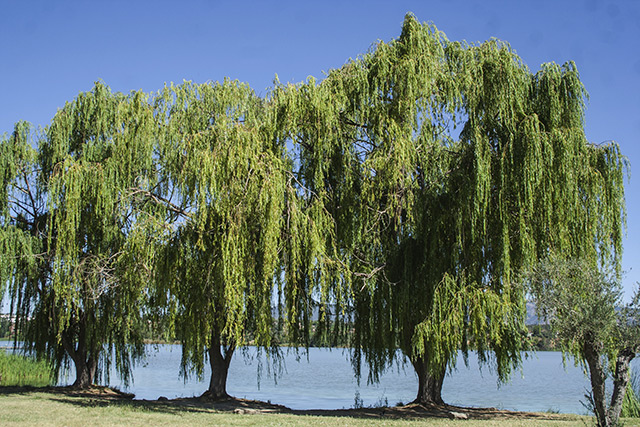
- The white willow tree, and the bark stripped from its young branches, served as a foundational pain reliever long before the first aspirin tablet was ever pressed.
- White willow bark contains salicin, a compound the body converts to salicylic acid, the foundational chemical ancestor of modern aspirin.
- Pioneers and ancient cultures relied on willow bark teas and tinctures to manage pain, fever, and inflammation when manufactured medicine was unavailable.
- Responsible harvesting and proper preparation are crucial for both efficacy and safety, mirroring the careful approach of historical users.
- While a powerful natural remedy, willow bark carries similar contraindications as aspirin and is not suitable for everyone.
- This historical knowledge represents a form of medical resilience and a direct connection to the origins of contemporary pain relief.
From Hippocrates to the homestead
The use of willow bark stretches back through millennia, far preceding the covered wagons of the American West. Ancient Greek physicians, including Hippocrates, documented its use for pain and fever. Indigenous cultures across North America had their own rich pharmacopoeias that included various willow species. When European settlers arrived, they brought their own folk traditions, and a powerful synthesis of knowledge occurred on the frontier. The settlers quickly learned to identify the trees—often varieties like the white willow (Salix alba) or black willow (Salix nigra)—that could offer relief from the arthritis, back pain, and relentless headaches that came with building a life from wilderness.
The secret lay in a compound called salicin, nestled within the tree's inner bark. When ingested, the human body metabolizes salicin into salicylic acid. This acid works by inhibiting the production of prostaglandins, hormone-like chemicals that promote inflammation, fever, and the amplification of pain signals. It is a mechanism now understood in crisp biochemical detail, but for the pioneer family, the understanding was experiential and direct. They knew that a tea made from that specific bark, despite its astringent, woody bitterness, could ease sore muscles and cool a fever within the hour. They were, in essence, consuming the raw, unrefined prototype of what would become aspirin. It wasn't until the 19th century that chemists, inspired by this very traditional remedy, isolated and later synthesized acetylsalicylic acid, creating the standardized drug we know today. The frontier homestead, in its way, was an informal laboratory where this botanical medicine was tested by necessity every single day.
Brewing the bitter remedy
The process of turning rough bark into relief was a practiced ritual. It began with careful foraging. Pioneers sought young branches, about the thickness of a thumb, often in the spring when the sap was running and the salicin content was highest. They would harvest sparingly, taking a little from several trees to ensure the grove's survival—a lesson in sustainability born of long-term dependence. The prized inner bark was then dried, becoming a stable, stored commodity in the household medical kit, as valuable as flour or salt.
To make the decoction—a tea strengthened by simmering—one to two teaspoons of this crumbled, dried bark was added to a cup of water. It was not a gentle steep but a robust boil followed by a ten to fifteen minute simmer, a process that pulled the active compounds from the tough plant material and turned the water a deep, amber brown. After straining, the resulting liquid was ready. The taste was notoriously strong and bitter, a flavor that seemed to announce its medicinal potency. A single cup could be enough for a headache; for persistent pain like the joint inflammation of carpal tunnel syndrome or arthritis, two or three cups over the course of a day might be used, always with an awareness of the stomach’s tolerance.
For a more concentrated and stable form, many turned to tinctures. They would pack a jar with dried bark, cover it with high-proof alcohol like vodka or brandy, and let it sit in a dark cupboard for weeks, shaking it occasionally. This slow marriage of plant and spirit drew out the salicin into a potent extract where a mere dropperful in water could offer a slower-building but longer-lasting effect.
This natural medicine can have side effects. The salicin in willow bark is known to irritate the stomach lining, a reason pioneers often took it with food. More importantly, it acts as a blood thinner. For this reason, it is strictly avoided by anyone with bleeding disorders, those taking anticoagulant medications like warfarin, or in the days before surgery. Crucially, individuals with a known allergy to aspirin must steer clear of willow bark entirely, as the risk of a cross-reactive reaction is high. It was never given to children or teenagers with fevers, a prohibition that foreshadowed modern understanding of Reye's syndrome. The pioneers’ practice of cautious dosing and observation was a form of vital, intuitive pharmacovigilance.
Sources include:










Please contact us for more information.