


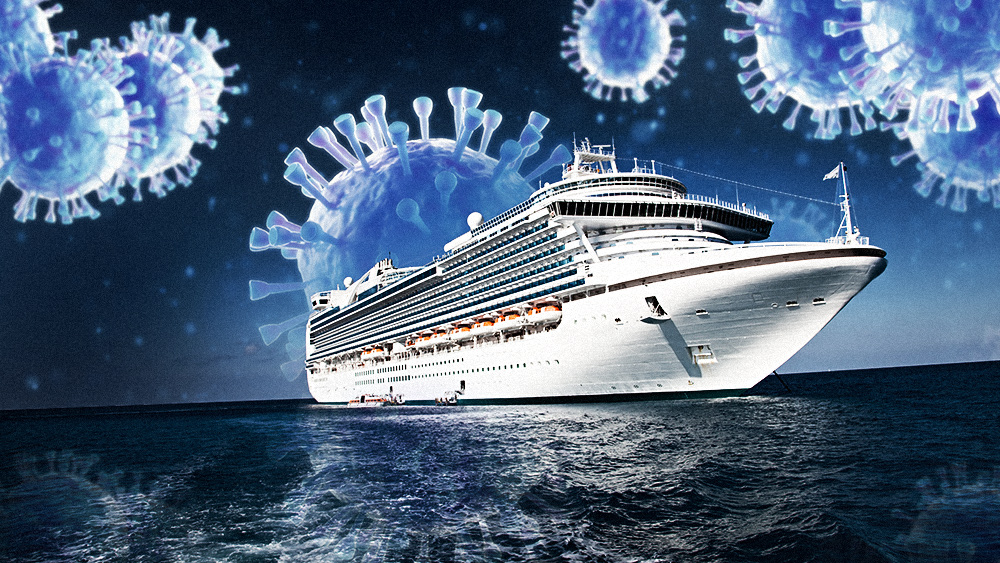
- More than 100 people fell ill on a Celebrity cruise ship in the Caribbean.
- The outbreak caused vomiting and diarrhea among passengers and crew.
- The cause remains unknown but is suspected to be norovirus.
- Confined cruise ship environments allow illnesses to spread rapidly.
- This is one of many such outbreaks reported to the CDC this year.
A holiday voyage meant for relaxation turned into a gastrointestinal nightmare for more than 100 passengers and crew, underscoring the ever-present threat of contagious illness in confined, crowded environments. The Celebrity Eclipse, a cruise ship packed with holiday travelers, returned to Fort Lauderdale on December 28 after an eight-day Caribbean journey with 104 people reporting violent symptoms, according to the Centers for Disease Control and Prevention. This outbreak serves as a reminder of how quickly common pathogens can spread when thousands share tight quarters, despite the industry's awareness and protocols.
The CDC reported that 95 of the 3,042 passengers and nine of the 1,235 crew members fell ill during the voyage, which began on December 20. The predominant symptoms were vomiting, diarrhea, and abdominal cramps. The cause of the outbreak is listed as unknown, with investigations often pointing to norovirus, a prolific and notoriously resilient gastrointestinal bug.
The ship's listed occupancy is 2,852 passengers, but the CDC noted it was carrying 3,042, along with 1,235 crew members, during this late December cruise. This density is a key factor in the spread of illness. About three percent of passengers and 0.7 percent of the crew were affected, meeting the CDC's threshold for public notification of an outbreak.
A perfect environment for spread
Confined spaces like cruise ships are ideal breeding grounds for gastrointestinal pathogens. Shared dining venues, high-touch surfaces, and close social interaction allow viruses and bacteria to move swiftly from person to person. As one public health expert noted, outbreaks are common in communities, but places like cruise ships, where people are in close contact, make diagnosis and reporting more likely. This creates a perception that cruises are hotbeds for illness, even though they represent a small fraction of total outbreaks.
In response to the sickening spread, Celebrity Cruises and the ship's crew implemented a standard outbreak response protocol. The company increased cleaning and disinfection procedures, isolated ill individuals, and collected stool specimens from symptomatic people. They also consulted with the CDC’s Vessel Sanitation Program on cleaning and reporting.
The challenge of identification
A critical hurdle in such outbreaks is identifying the causative agent. The CDC states that norovirus is often the culprit on cruise ships, but confirmation requires testing. "Finding the agent that caused an outbreak (causative agent) can take time," the agency stated. In this case, the outbreak was notified after the voyage ended, so samples were not available for testing. This left the official cause undetermined.
This incident was part of a pattern in 2025. According to CDC data, it is one of at least 22 gastrointestinal outbreaks on cruise ships under its jurisdiction this year, 16 of which were confirmed as norovirus. The tally highlights a persistent issue, with the CDC's count for 2025 already exceeding annual totals from most of the past decade.
The reporting system itself is a key defense. Cruise ships are required to report cases of acute gastroenteritis to the CDC. The case definition is three or more loose stools within 24 hours or vomiting plus another symptom like cramping or fever. This reporting helps detect outbreaks quickly and mobilize containment efforts.
While the immediate response focuses on containment and cleaning, the recurring nature of these outbreaks begs larger questions about public health in an age of mass tourism. The protocols are known, yet the breaches continue, suggesting a constant battle against microscopic threats that thrive on human congregation. No amount of luxury can fully insulate us from the fundamental laws of nature and contagion, where a single unseen agent can disrupt the plans of hundreds, turning a Christmas cruise into a lesson in epidemiology.
Sources for this article include:










Please contact us for more information.