



- A new study from Brazilian researchers indicates the herb Alternanthera littoralis (Joseph’s Coat) shows significant anti-inflammatory, analgesic, and anti-arthritic effects in experimental models.
- Osteoarthritis, a degenerative "wear and tear" disease affecting cartilage, is the most prevalent form of arthritis, causing chronic pain and stiffness for tens of millions in the U.S. and U.K.
- Current management strategies, including pain relievers, physiotherapy, and eventual joint replacement, are often limited, temporary, or involve significant hurdles.
- The study reinforces the plant's traditional use for infections and points to its potential as a future therapeutic candidate, though researchers stress the need for further clinical trials and toxicological assessment.
- The findings add to a growing body of evidence supporting the role of dietary and natural anti-inflammatories, like omega-3s and Mediterranean diets, in managing osteoarthritis symptoms.
How osteoarthritis takes hold
Osteoarthritis is a progressive biological process where the smooth, cushioning cartilage that allows joints to glide effortlessly begins to fray and disintegrate. What remains is a painful mechanical grinding, bone against bone, accompanied by a symphony of inflammation that swells the joint and stiffens its movement. The knee, bearing the weight of the body, becomes a common epicenter of this decay. While approaches like exercise and weight management form a crucial frontline defense, for many they are insufficient armor against the daily reality of pain. The medical arsenal, meanwhile, can seem blunt: painkillers that may offer fleeting respite or carry risks with long-term use, and surgeries that are final, formidable undertakings.
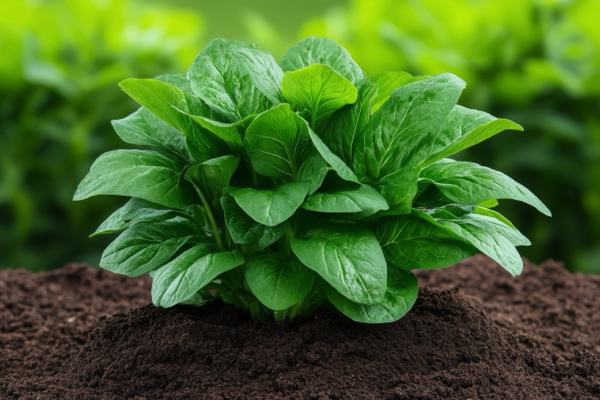
This context makes the journey of a humble Brazilian shore plant from folk remedy to laboratory subject so intriguing. Alternanthera littoralis, with its history of use against bacterial and parasitic infections, has now been put to the test for a very different kind of affliction. Researchers at the Federal University of Grande Dourados conducted a meticulous phytochemical analysis to identify the plant's bio-active compounds—those intricate, non-nutrient molecules that plants produce, which can exert profound effects on human physiology.
In models of arthritis, treatment with extracts from Joseph’s Coat led to observable and measurable relief: swelling receded, joint function improved, and the biochemical markers of inflammation were quieted. The researchers, publishing their work in the Journal of Ethnopharmacology, concluded the plant demonstrated "significant anti-inflammatory, analgesic, and anti-arthritic effects," and reinforced its traditional use while highlighting its potential as a "safe and effective therapeutic candidate."
The phytochemical defense against inflammation
To understand why this finding matters, one must appreciate the complex inflammatory cascade at the heart of arthritic pain. It is a process driven by oxidative stress and a flood of inflammatory mediators—chemical signals that turn the joint into a site of persistent, painful activity. The promise of Joseph’s Coat, like that of other natural agents such as turmeric, ginger, and boswellia, lies in its potential to interrupt this cascade.
The study suggests the plant’s compounds may act as both antioxidants, mopping up the damaging free radicals that accelerate tissue breakdown, and as modulators of those inflammatory signals. This dual action mirrors the sought-after effects of other natural strategies, from the omega-3 fatty acids in fish oil that help calm systemic inflammation, to the glucosamine that provides raw material for cartilage repair. The idea is not to replace a single synthetic drug with a single herb, but to harness a plant’s innate, complex pharmacy of compounds that may work in concert to protect tissue and ease pain.
The historical use of plants like Joseph’s Coat for infections provides a logical, if serendipitous, pathway to its investigation for arthritis. Many traditional anti-infective plants possess strong anti-inflammatory properties, as the body’s response to pathogens and its response to degenerative disease share common inflammatory pathways. This connection is a testament to the sophisticated, if empirically derived, knowledge embedded in traditional medicine systems. Modern science is now tasked with the translation: isolating the specific active compounds within Joseph’s Coat, understanding their precise molecular conversations with human cells, and rigorously ensuring their safety. The Brazilian team is unequivocal on this point, noting that while results are promising, the precise mechanisms remain unclear and a "rigorous toxicological assessment is crucial" before any therapeutic application can be considered.
This research arrives at a moment when the conversation around chronic disease management is increasingly embracing a holistic view. The recommendation of a Mediterranean diet, rich in phytonutrients and healthy fats, by mainstream dietary associations is a recognition that food itself can be a form of gentle, daily medicine. The exploration of herbs like Joseph’s Coat is a natural extension of this philosophy—a search for concentrated, specific botanical agents that can be integrated into a broader strategy of wellness. It offers a potential future where relief might not only come from a pill bottle or an operating table, but also from a carefully standardized and tested extract of a plant that has grown along sunny coastlines for centuries.
Sources include:










Please contact us for more information.