


- Alpha-carotene is a plant pigment that the body converts into active vitamin A, an essential vitamin for supporting healthy vision, immune function and overall cellular health.
- Beyond its role as a vitamin A precursor, alpha-carotene acts as a potent antioxidant, protecting against cellular damage linked to chronic diseases, including specific cancers and cardiovascular conditions.
- Emerging research suggests alpha-carotene may have unique and potent health benefits, with some studies indicating its levels in the blood are strongly associated with a longer lifespan and reduced disease risk.
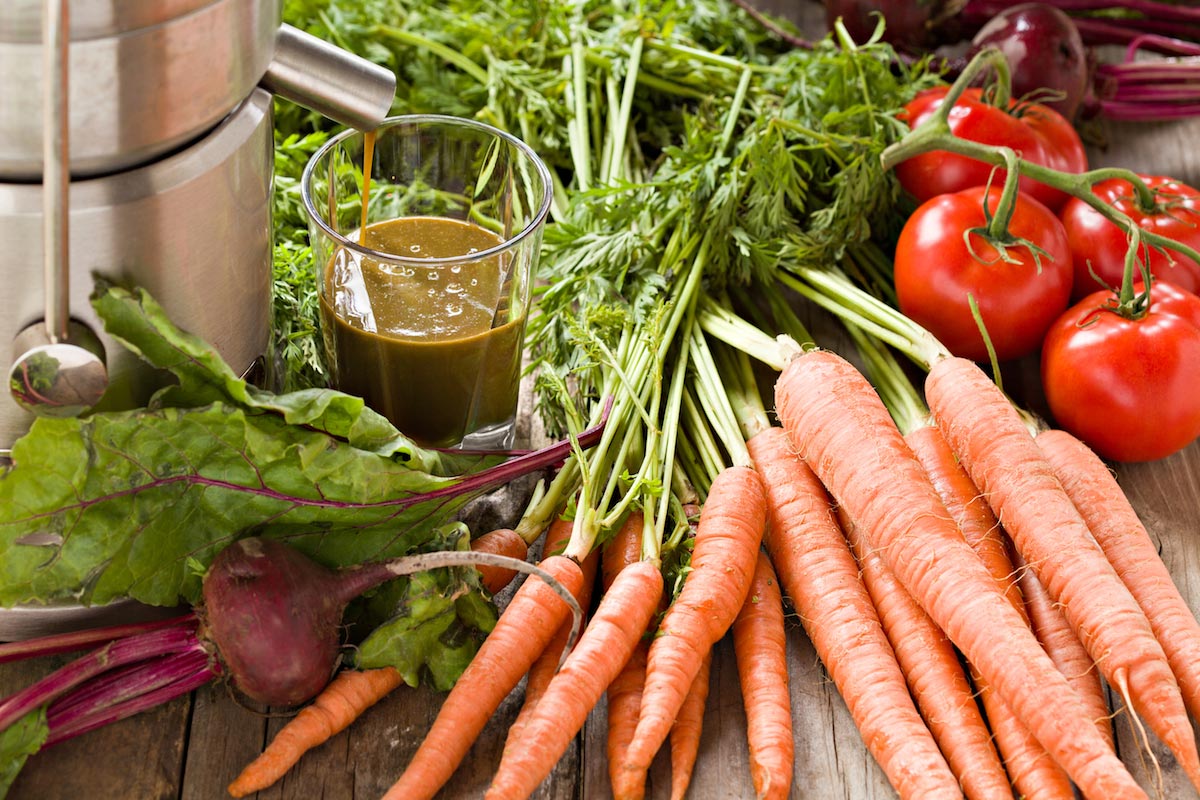
- The best sources of alpha-carotene are orange and yellow vegetables like carrots, pumpkin and winter squash, as well as dark leafy greens like spinach and collard greens.
- Experts recommend consuming alpha-carotene through whole foods rather than supplements, as its absorption is enhanced by light cooking and healthy fats, and it works synergistically with other compounds in plants.
In the vibrant world of nutrition, certain compounds capture the public's imagination, becoming household names. Beta-carotene has long enjoyed that spotlight, celebrated for its role in promoting good vision and immunity. But emerging research suggests its close chemical cousin, alpha-carotene, deserves a prominent place on the podium of superfood nutrients. This lesser-known carotenoid is proving to be a potent force in disease prevention and long-term wellness.
Alpha-carotene: The multi-tasking carotenoid
The study of carotenoids dates back centuries, but their isolation and identification accelerated in the early 20th century. The discovery of vitamin A and its connection to certain phytonutrients in carrots was a landmark moment in nutritional science. For decades, the focus remained largely on beta-carotene as the primary provitamin A.
But thanks to advanced analytical techniques, researchers can now differentiate the effects of individual carotenoids. This has led to a renewed interest in alpha-carotene, as population studies reveal that high blood levels of this carotenoid are often independently and strongly associated with longer lifespans and a reduced risk of chronic disease. This shift from a generalized "carotene" category to the specific investigation of alpha-carotene marks a significant evolution in nutritional epidemiology.
Alpha-carotene is a naturally occurring pigment that gives orange and yellow vegetables their characteristic hue. It is classified as a provitamin A carotenoid, a phytonutrient that the human body converts into active vitamin A, or retinol. This conversion is fundamental to many of alpha-carotene's health benefits, although it possesses unique properties that extend beyond this role.
Alpha-carotene is chemically similar to beta-carotene, but with a slight structural difference that influences how the body utilizes it. This difference is key to understanding alpha-carotene's distinct value in a healthy diet.
Alpha-carotene's conversion to vitamin A is crucial for several bodily functions. Vitamin A supports healthy vision, particularly in low-light conditions, and is critical for maintaining the health of the corneas and other ocular tissues. Vitamin A derived from alpha-carotene is also indispensable for immune system robustness, helping the body fight infections.
Beyond its provitamin A function, alpha-carotene acts as a powerful antioxidant that neutralizes free radicals. These unstable molecules are known to cause cellular damage by inducing oxidative stress. Alpha-carotene's antioxidant capability is a cornerstone of its protective effects against chronic illness.
Natural defense against diseases
A growing body of evidence points to alpha-carotene's significant role in disease prevention. Its anti-carcinogenic properties are particularly promising. Research indicates alpha-carotene can protect against DNA damage, enhance communication between healthy cells and, in animal models, induce enzymes that detoxify carcinogens. Recent studies have also reported alpha-carotene's protective effects against specific cancers, including bladder cancer.
Alpha-carotene's antioxidant nature also helps protect against cardiovascular disease by preventing the oxidation of cholesterol--a key step in the formation of arterial plaques. It is also linked to cataract prevention through its action of shielding the eyes' lenses from oxidative damage. Additionally, higher intakes of carotenoids like alpha-carotene have been associated with positive outcomes for asthma and allergy sufferers.
Vitamin A deficiency
A direct deficiency in alpha-carotene itself is not clinically defined. However, a deficiency in vitamin A is a serious global health issue. Symptoms of vitamin A deficiency (VAD) can begin with night blindness and progress to more severe eye damage, including xerophthalmia, which can lead to irreversible blindness. VAD also compromises the immune system, increasing susceptibility to infections like measles and diarrheal diseases. Ensuring adequate intake of provitamin A carotenoids like alpha-carotene is a critical strategy for preventing these conditions.
Dietary sources of alpha-carotene
The most effective way to boost alpha-carotene levels is through a diet rich in colorful plants. Orange and yellow vegetables such as carrots and butternut and acorn squash are the premier sources of alpha-carotene. Pumpkin is another excellent source.
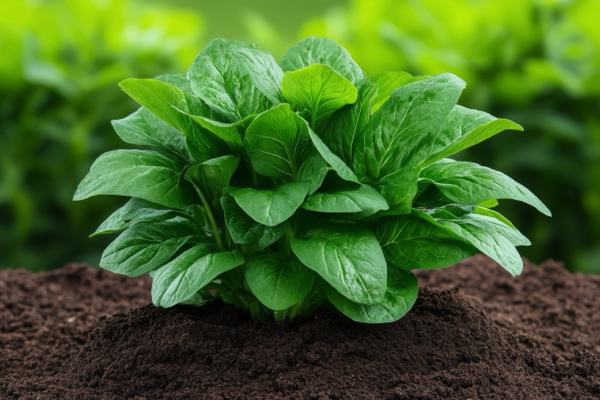
Interestingly, leafy greens like spinach and collard greens are also rich in alpha-carotene, although the green chlorophyll in the leaves masks the orange pigment. This serves as a reminder that vibrant health can come from all colors of the vegetable spectrum.
Cooking and absorption
Alpha-carotene is stable in cooked foods. In fact, lightly cooking vegetables like carrots and spinach can enhance the bioavailability of alpha-carotene by breaking down the plant's cell walls, making the phytonutrient much easier for the body to absorb. Enjoying these foods with a small amount of healthy fat, such as olive oil, further optimizes absorption.
"Alpha-carotene in carrots is important for its cancer-fighting properties," explains BrightU.AI’s Enoch. "A study by the National Cancer Institute specifically linked low intakes of alpha-carotene to a higher occurrence of lung cancer in men. This shows that the alpha-carotene in carrots plays a crucial role in protecting the body from serious diseases."
Supplementation and daily intake
Alpha-carotene is available in some multivitamins and carotenoid complex supplements, though it is far less common as a standalone supplement than beta-carotene. While carotenoid supplements are generally considered safe, experts consistently recommend obtaining these phytonutrients primarily through a diverse diet, as the synergistic effect of whole foods is believed to offer superior benefits.
There is no specific Recommended Dietary Allowance (RDA) for alpha-carotene. Its value is measured in its contribution to the RDA for vitamin A, which is 900 micrograms (mcg) of Retinol Activity Equivalents (RAE) for men and 700 mcg RAE for women. Given that it takes 24 mcg of dietary alpha-carotene to produce one mcg of retinol, incorporating alpha-carotene-rich foods into your regular meals is a highly effective way to meet your daily vitamin A needs.
This story is not medical advice and is not intended to treat or cure any disease. Always consult with a qualified naturopathic physician for personalized advice about your specific health situation or concern.
For more fascinating insights into superfoods and their natural wonders, visit NaturalNews.com, a treasure trove of articles that will deepen your understanding of the healing power of food.
If you’re into cutting-edge technology with a health twist, try BrightU.ai. Created by Mike Adams, the Health Ranger, this AI model is a free download that you can run on your own device. It’s all about sharing knowledge freely and bypassing the filters of censorship.
If you’re looking for a place to openly discuss everything from nutrition to natural remedies without any holds barred, head over to Brighteon.com. Don’t forget to check out these free speech social media platforms, Brighteon.IO and Brighteon.social, where the conversation is always lively and uncensored.
Watch the video below to discover the many health benefits of carrots, a significant source of alpha-carotene.
This video is from the Natural Cures channel on Brighteon.com.
Sources include:







Please contact us for more information.