








- On Day 5 of "Regenerate Yourself Masterclass," Sayer Ji challenged the modern medical paradigm, arguing that much of what is called "evidence-based" medicine is actually "eminence-based" and influenced by funding bias.
- He advocated for the body's innate self-healing and regenerative power, which he detailed in his book "Regenerate," using his own recovery from chronic illness through natural medicine as a personal example.
- Ji emphasized "food as medicine," explaining that specific, nutrient-dense foods can provide information that regenerates the endocrine system, citing research on vitamin C regenerating hormones and xenohormesis from plants.
- He highlighted the importance of removing endocrine disruptors, like smoking and consuming regenerative plant parts, such as apical meristems, to enhance the body's resilience and longevity.
- Ji concluded that aging is a malleable process and that the goal should be quality of life through connection, self-care and a holistic approach to health, rather than just lifespan extension.
On Day 5 of "Regenerate Yourself Masterclass," aired on Dec. 17, Sayer Ji, founder of GreenMedInfo, is shifting the paradigm from viewing aging as an inevitable decline to understanding it as a malleable process deeply influenced by diet and lifestyle. In a world obsessed with anti-aging serums and pharmaceutical solutions, a compelling body of scientific evidence suggests the most powerful tools for hormonal rejuvenation and longevity may already be in our kitchens.
The central thesis is revolutionary yet simple: the human endocrine system, the network of glands that produce hormones regulating metabolism, growth, sleep and mood, possesses a profound, often untapped, capacity for regeneration. This regeneration can be activated not by synthetic drugs, but by specific, information-rich foods.
"When we're talking about the endocrine system, this is our hormonal infrastructure," Ji noted, highlighting organs like the pancreas, testes and ovaries. "There is a profound secret I would like to transmit to you and it's hidden in plain daylight. It's the secret of the regeneration of the endocrine system using certain foods."
The science behind this is both intricate and astonishing. A landmark 1993 study revealed that essential steroid hormones like estrogen, testosterone and progesterone, after performing their functions, break down into potentially harmful metabolites. Vitamin C, however, acts as an electron donor, quenching these harmful byproducts and regenerating the original hormones. "The study found that estrogen and testosterone and progesterone were more than 50% regenerated," Ji explained. This suggests a simple, food-based nutrient can directly counter the hormonal depletion associated with aging.
The concept of "food as information" is taken further with examples like the pomegranate. Ji described it as "the archetypal example," noting its structural resemblance to a mammalian ovary. "It actually has bioidentical hormones in it you'd find in a mammalian ovary," he said, offering a poetic explanation for its historical reputation as a fruit of longevity and libido. Scientific studies support this, showing a range of common foods, from plums and blackberries to black tea and coconut water, can prevent bone loss and neurodegeneration in animal models where ovaries have been removed.
This relationship, Ji argued, is no accident. It's the result of co-evolution. "These plants have co-evolved with mammals and humans through such a long period of time that they benefit from our health,” he said. A plant like an apple relies on animals to eat its fruit and disperse its seeds; therefore, it is in the plant's evolutionary interest for the animal to remain healthy and mobile. The beneficial compounds are not just antioxidants; they are chemical messengers.
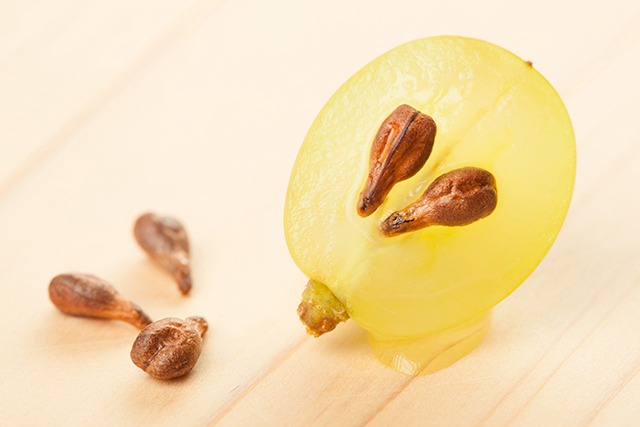
This introduced the critical concept of xenohormesis. According to BrightU.AI's Enoch, xenohormesis is the idea that plants under stress produce protective polyphenol compounds (like resveratrol in grapes or curcumin in turmeric) that, when consumed, signal to our own genes to activate survival and longevity pathways.
"The plant that has the resveratrol in response to the changes in the environment is communicating to the animals that it actually needs to be healthy," Ji elaborated. This is why organically or biodynamically grown produce, which faces more natural stressors, often contains significantly higher levels of these informational compounds.
The regeneration strategy is twofold: adding regenerative foods and removing endocrine disruptors. Ji pointed to a striking study of 64 Italian women who quit smoking. After nine months, researchers observed "a 13-year reversal of aging" based on skin quality and elasticity. This underscores the dramatic regenerative potential of simply eliminating a major toxic burden.
Perhaps the most intriguing recommendation is to consume the raw, stem-cell-rich parts of plants, the apical meristem found in shoots and roots, like the spiraling tip of a Romanesco cauliflower. "If we eat some of those, it will confer great survival advantage and improve the quality and length of your life," Ji suggested, connecting it to the observed resilience of plants like Ginkgo biloba, which survived the Hiroshima nuclear blast.
Ultimately, the message moves beyond a mere checklist of "superfoods." It calls for a holistic reorientation. The goal is not just a longer life, but a life of greater quality and connection, sourcing vitamin C from an organic orange rather than a pill, appreciating food’s provenance and releasing the fear of aging itself.
"The reality is that aging is an extraordinary process, and that technically, quality of life should trump sheer focus on quantity and length of life. It's more about connection. It's more about quality. It's more about self-care and really dropping into a deep self-acceptance for who you are," Ji concluded.
Want to know more?
If you want to learn at your own pace and discover how to regenerate your health on your own schedule, you can access the full course by owning your copy of the "Regenerate Yourself Masterclass" package.
Upon purchase, you will get the "Regenerate Yourself Masterclass" full course along with bonuses, including "The Regenerate Fitness Program," "The Regenerative Cooking Series," 10 exclusive expert-level bonus videos and six evidence-backed eBooks on healthy aging, detoxification and nutrition.








Please contact us for more information.