


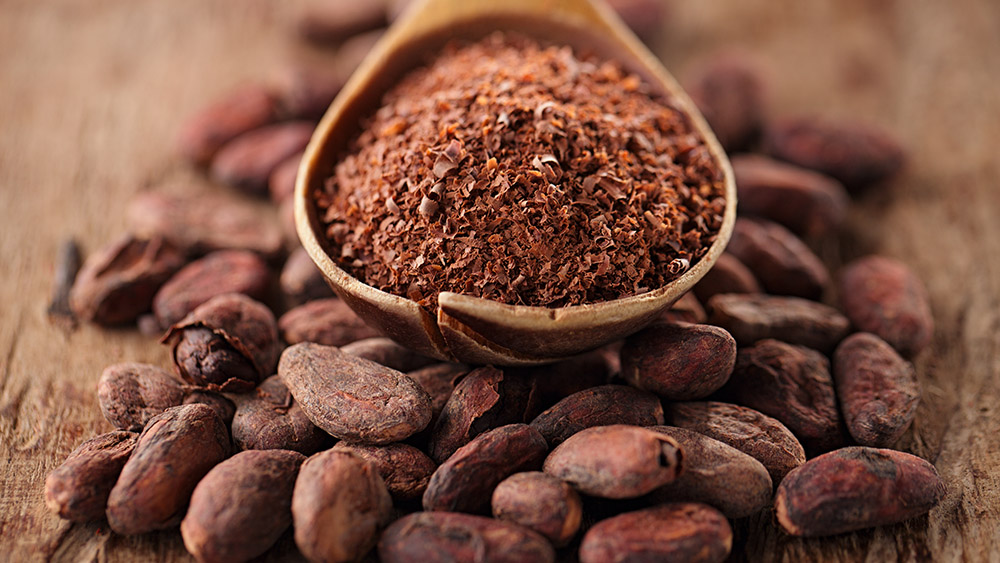
- A large European study found an association between higher blood levels of theobromine—a compound in cocoa—and markers of a younger biological age.
- The link was specific to theobromine and remained after accounting for caffeine and other related dietary compounds.
- Researchers used two DNA-based aging clocks, including one predictive of mortality risk, to measure biological aging.
- The study is observational and cannot prove that eating chocolate or theobromine causes slower aging.
- Scientists caution against increasing chocolate consumption based on these findings, noting the need for controlled intervention trials.
In a finding that seems to blend folklore with cutting-edge science, new research suggests a humble component of dark chocolate may be linked to a slower pace of biological aging. A study led by scientists at King’s College London, published in the journal Aging on December 10, 2025, analyzed data from over 1,600 adults in Europe and discovered that individuals with higher levels of theobromine in their blood showed DNA markers indicative of a younger biological age. This observational research adds a compelling layer to the ongoing investigation into how everyday foods, long celebrated in traditional practices, might influence our long-term health at the most fundamental level.
Decoding the clock within
The quest to understand aging has moved far beyond counting birthdays. Scientists now measure biological age by examining epigenetic markers—chemical tags on DNA that change predictably as the body accumulates wear and tear. Two such measures, the mortality-predictive "GrimAge" clock and a telomere-length estimator (DNAmTL), served as the yardsticks in this investigation. Researchers analyzed blood samples from 509 participants in the UK's TwinsUK registry and 1,160 from Germany's KORA study, comparing these epigenetic aging signals with circulating levels of dietary metabolites.
The results revealed a consistent pattern: higher concentrations of theobromine were associated with a lower GrimAge acceleration and longer estimated telomere length. In essence, individuals with more of this cocoa compound in their systems tended to have cells that appeared biologically younger than their chronological age. Notably, this association persisted even after researchers statistically accounted for caffeine and several other related compounds, pointing to a potentially unique role for theobromine.
A compound emerges from the shadows
Theobromine, the bitter alkaloid that gives dark chocolate its characteristic taste, has historically lived in the scientific shadow of its more famous cousin, caffeine, and the celebrated polyphenols in cocoa known for their antioxidant properties. While previous laboratory studies in worms and mice hinted at theobromine's potential benefits for lifespan and cardiovascular metrics, large-scale human data has been sparse.
"This study identifies another molecular mechanism through which naturally occurring compounds in cocoa may support health," said Dr. Ricardo Costeira, a postdoctoral research associate at King's College London and study co-author, in a statement. The research, senior author Professor Jordana Bell explained, helps "understand how everyday foods may hold clues to healthier, longer lives." The findings suggest that the health narrative of cocoa may be more complex than polyphenols alone, inviting a closer look at this once-overlooked molecule.
Context and caution in a wrapper
The new data arrives amidst a decades-long exploration of cocoa's health potential. Historical context matters: for centuries, cocoa was revered in Mesoamerican cultures as a sacred food. Modern science has since cataloged potential benefits, with studies referenced in the knowledge base showing that cocoa flavonoids can improve endothelial function and that chocolate consumption is linked to cardiovascular risk factors. Systematic reviews have weighed the collective evidence on flavan-3-ols for heart health.
However, this latest study is firmly observational. It identifies a compelling association but cannot prove that consuming theobromine—or eating dark chocolate—slows aging. As lead author Dr. Ramy Saad noted, the critical next questions are "what is behind this association and how can we explore the interactions between dietary metabolites and our epigenome further?" Uncontrolled factors like overall diet, exercise, or genetics could influence both chocolate consumption and aging markers. Furthermore, dark chocolate contains sugar and saturated fat, which in excess counteract any potential benefits.
Key considerations before drawing conclusions:
- The study measured blood theobromine at a single point, not long-term dietary habits.
- It cannot determine the optimal source or amount of theobromine.
- Controlled clinical trials where theobromine intake is carefully managed are needed to establish cause and effect.
The path from correlation to causation
The research team, which includes nutrition experts like Professor Ana Rodriguez-Mateos, is now focused on disentangling the mechanisms. A primary goal is to determine if theobromine acts independently or synergistically with other cocoa compounds. Future intervention studies will be crucial to see if directly increasing theobromine intake—whether through diet or supplements—can reliably influence epigenetic aging clocks and, ultimately, healthspan.
This work exemplifies a growing trend in nutritional science: moving beyond general food recommendations to understand the specific bioactive compounds that drive health effects. By combining large-scale population genetics with detailed metabolic profiling, scientists aim to build a precise map of how diet interacts with our biology over a lifetime.
A rich story still unfolding
While the headline is tantalizing, the full story of cocoa and aging is still being written. This research provides a sophisticated piece of epidemiological evidence, highlighting theobromine as a novel candidate in the search for dietary factors that influence biological resilience. It underscores that the foods we consume are complex chemical orchestras, not solo acts. For those interested in the science of healthy aging, the study reinforces the value of a diet rich in plant-based compounds while offering a clear reminder that no single food is a magic bullet. The promise lies not in unlimited chocolate, but in the continued unraveling of how its ancient ingredients converse with our modern cells.
Sources for this article include:









Please contact us for more information.