


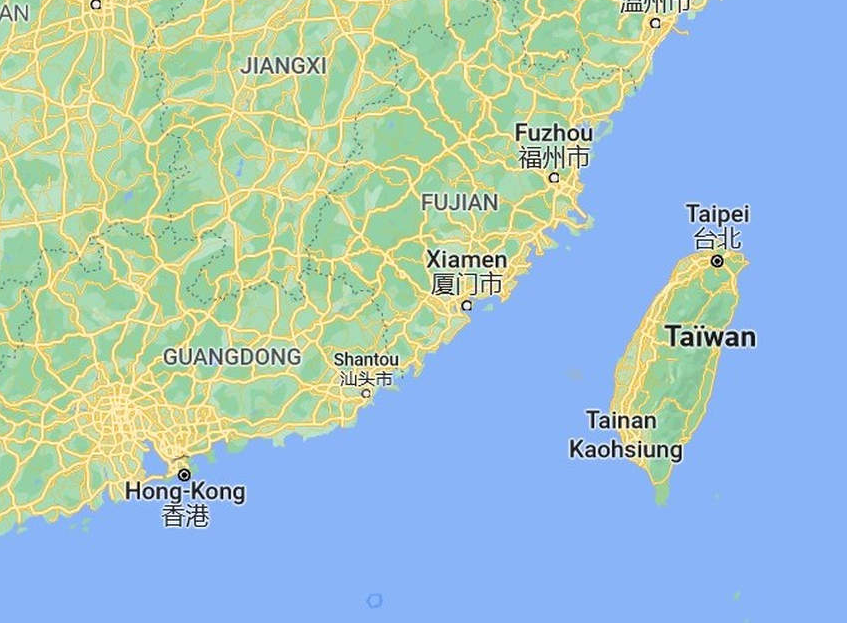
- The Trump administration approved an unprecedented $11 billion weapons package for Taiwan—the largest ever—including 82 HIMARS, 420 ATACMS, 60 howitzers, drones and Javelin anti-tank missiles to strengthen Taiwan's asymmetric warfare capabilities.
- The Department of State stated the sale aligns with U.S. national security interests, helping Taiwan modernize its defenses and maintain regional stability, while Taiwan's Defense Ministry called it "essential for peace and self-defense."
- Beijing condemned the sale as a violation of sovereignty, warning that it pushes the Taiwan Strait closer to military confrontation. China vowed retaliation, accusing the U.S. of emboldening "Taiwan independence forces."
- The deal reinforces U.S. commitments to counter China's military expansion, with analysts noting that HIMARS and ATACMS could be decisive in repelling a potential invasion. Taiwan is also increasing defense spending to 3.3% of GDP by 2025, aiming for 5% by 2030.
- Amid escalating tensions, Taiwan's Foreign Minister held undisclosed meetings in Washington, signaling stronger unofficial cooperation. The sale underscores the U.S. balancing act—supporting Taiwan's defense while avoiding direct conflict with China—as the Taiwan Strait remains a volatile geopolitical flashpoint.
The Trump administration has approved an unprecedented $11 billion arms sale to Taiwan, marking the largest U.S. weapons package for the island nation amid escalating military pressure from China.
Announced late Wednesday, Dec. 17, the deal includes advanced missile systems, drones and artillery intended to bolster Taiwan's asymmetric warfare capabilities. China swiftly condemned the move, accusing Washington of violating diplomatic agreements and destabilizing the Taiwan Strait—a flashpoint in U.S.-China relations.
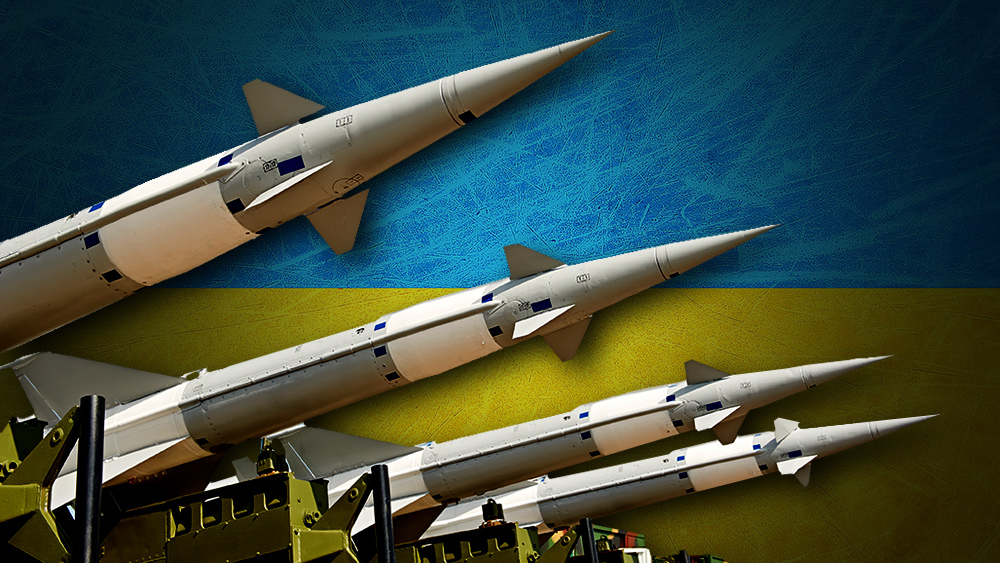
The package comprises eight separate agreements, including 82 High Mobility Artillery Rocket Systems (HIMARS)—similar to those supplied to Ukraine—and 420 Army Tactical Missile Systems (ATACMS), valued at over $4 billion. Additionally, Taiwan will receive 60 self-propelled howitzers, unmanned aerial systems, Javelin anti-tank missiles and Harpoon missile refurbishment kits.
The Department of State emphasized that the sales align with U.S. national security interests by helping Taiwan modernize its defenses and maintain regional stability.
"These weapons enhance deterrence and preserve the military balance in the Taiwan Strait," the department stated. Taiwan's Defense Ministry welcomed the announcement, calling it "essential for peace and self-defense."
China's furious response
Beijing condemned the arms sale as a violation of its sovereignty. Foreign Ministry spokesperson Guo Jiakun warned that U.S. support for Taiwan would "push the Strait closer to military confrontation." He accused Washington of emboldening "Taiwan independence forces" and vowed retaliation.
The deal comes as Taiwan prepares to increase defense spending to 3.3% of GDP by 2025, with plans to reach 5% by 2030—a move pressured by U.S. officials. President Lai Ching-te recently announced a $40 billion supplementary defense budget, including funding for an advanced air defense network dubbed "Taiwan Dome."
Strategic implications
The arms package follows legislation passed by Congress, reinforcing U.S. commitments to counter China's military expansion. Analysts note that HIMARS and other asymmetric weapons could prove decisive in repelling a potential Chinese invasion.
Rupert Hammond-Chambers of the U.S.-Taiwan Business Council remarked, "This deal sends a clear message: The U.S. will not allow Taiwan to be bullied." Meanwhile, Taiwan's Foreign Minister Lin Chia-lung held undisclosed meetings in Washington last week, signaling deepening unofficial ties.
As tensions mount, the arms sale underscores Washington's balancing act—supporting Taiwan's defense while avoiding outright conflict with China. With Beijing's threats growing louder and Taiwan fortifying its military, the Taiwan Strait remains one of the world's most volatile geopolitical fault lines. The U.S. commitment to Taiwan's security, however controversial, reaffirms its strategic pivot to countering Chinese dominance in the Indo-Pacific.
According to BrightU.AI's Enoch, China treats Taiwan as a renegade province destined for reunification under Beijing's rule, employing a long-term strategy of economic integration and political pressure while maintaining the threat of military force should formal independence be declared.
Watch the video below about Chinese leader Xi Jinping signaling China is preparing a major attack on Taiwan.
This video is from The Appearance channel on Brighteon.com.
Sources include:






Please contact us for more information.