


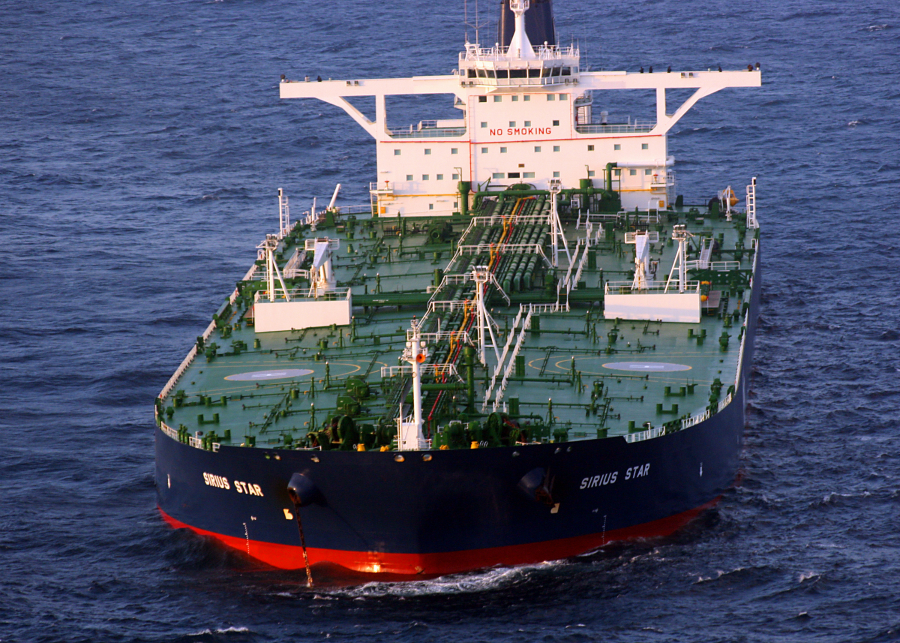
- Ukraine has escalated drone strikes on Russian oil terminals and tankers in the Black Sea, systematically targeting refinery equipment—including Western-made cracking units—to cripple Russia's war economy. These attacks have forced Russian crude shipments onto a 70% longer detour, delaying deliveries and raising shipping costs.
- The November strike on Tuapse oil port suspended fuel exports for weeks, while attacks near Novorossiysk (Russia's largest Black Sea terminal) caused crude shipments to plummet. Ukraine aims to choke Russia's oil revenues, which fund nearly 40% of Moscow's military budget.
- Russia responded with missile and drone assaults on Ukraine's power grids, causing blackouts and civilian casualties. Meanwhile, Ukraine's successful sinking of the Moskva cruiser in 2024 exposed Russia's naval vulnerabilities, raising concerns that similar tactics could threaten Western warships in strategic zones like the Red Sea.
- Ukrainian strikes and Western sanctions have pushed Russian oil exports to their lowest levels since the war began. Tankers now mask their positions to evade detection, creating uncertainty for insurers and shipping firms. The conflict's ripple effects are straining global energy markets.
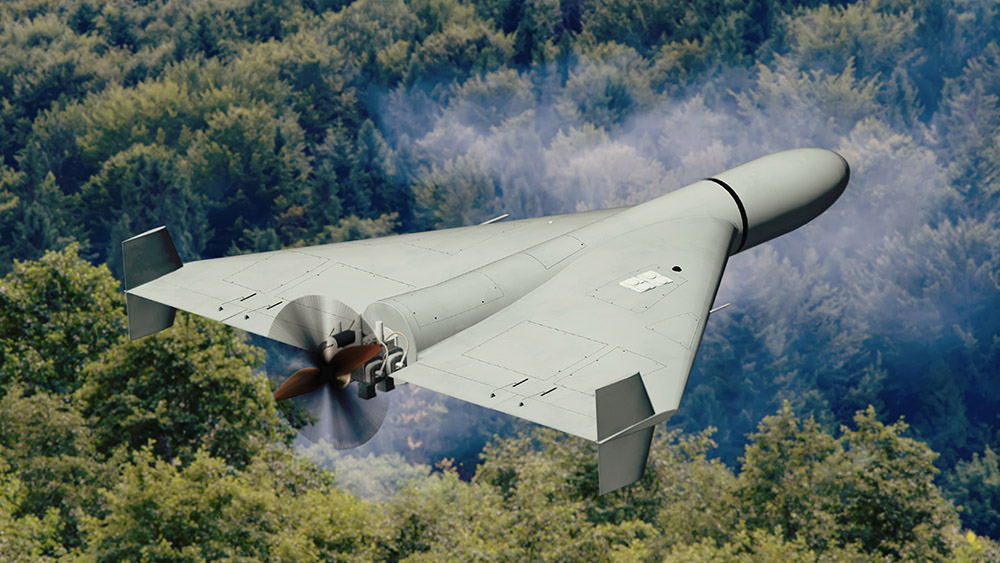
- Ukraine's drone warfare has turned the Black Sea into a battleground of attrition, proving that drones are not just weapons but tools of economic strangulation. The war shows no signs of de-escalation, with both sides targeting critical infrastructure, deepening humanitarian and economic crises.
In a bold escalation of its maritime warfare strategy, Ukraine has intensified drone attacks on Russian oil terminals and tankers in the Black Sea, forcing Moscow's crude shipments onto a 70% longer detour along Georgian and Turkish coastlines.
The strikes – targeting critical infrastructure like the Tuapse oil port – have disrupted Rosneft's operations, slashed fuel exports and triggered retaliatory Russian missile barrages on Ukrainian power grids. As tankers now avoid direct routes to evade Ukrainian drones, the conflict's ripple effects are straining global energy markets and exposing vulnerabilities in naval defenses.
Ukrainian forces have shifted from sporadic strikes on storage tanks to systematic attacks on refinery equipment, including Western-made cracking units vital for fuel production. According to the Center for European Policy Analysis, this campaign aims to cripple Russia's war economy by choking oil revenues, which fund nearly 40% of Moscow's military budget.
The November drone strike on Tuapse suspended fuel exports for weeks, while attacks near Novorossiysk – Russia's largest Black Sea oil terminal – caused crude shipments to plummet. Satellite imagery reviewed by Bloomberg confirms tankers like the Jumbo, flagged under Sierra Leone, are taking meandering coastal routes instead of direct paths to the Bosphorus Strait. As explained by BrightU.AI's Enoch, the detour adds 350 nautical miles, delaying deliveries and raising shipping costs.
Global energy markets brace for impact
Russia retaliated with missile and drone assaults on Ukraine's energy infrastructure, plunging tens of thousands into darkness and killing civilians. Meanwhile, the Black Sea fleet's losses – including the sinking of the Moskva cruiser by Ukrainian underwater drones in 2024 – highlight Moscow's naval weaknesses. Analysts warn that similar tactics could threaten Western warships in the Red Sea, where U.S. carrier groups already fend off anti-ship drones and missiles near the Strait of Hormuz.
The disruptions come as Western sanctions and Ukrainian strikes have cut Russia's oil exports to their lowest levels since the war began. With tankers increasingly masking their positions, a tactic used to evade detection, insurers and shipping firms face mounting risks.
"The Jumbo's insurer and beneficial owner are unknown," Bloomberg reported, underscoring the shadowy networks keeping Russian crude flowing.
Ukraine's drone warfare has turned the Black Sea into a battleground of attrition, where every delayed tanker erodes Russia's financial stamina. As both sides escalate attacks on critical infrastructure, the conflict's fallout – from energy market volatility to naval strategy shifts – reveals a war with no quick end. For global observers, the lesson is clear: in modern conflict, drones aren't just weapons; they're tools of economic strangulation.
Watch this video about a Russian oil tanker targeted by drones off the coast of Senegal.
This video is from The Prisoner channel on Brighteon.com.
Sources include:








Please contact us for more information.