


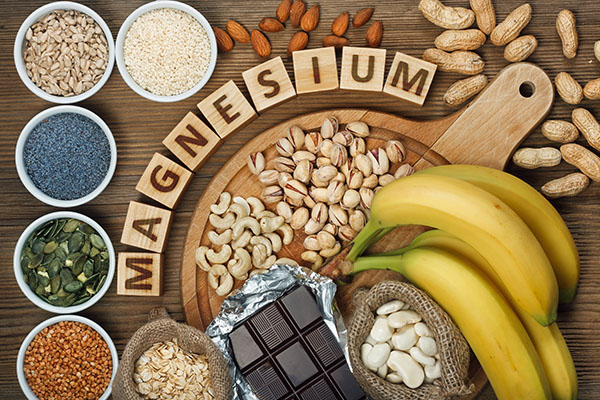
- Half of Americans fail to meet daily magnesium needs due to poor diet, depleted soils, stress and medications, yet standard blood tests often miss early deficiency.
- Clinical trials show 248 mg/day of magnesium chloride improves mood within two weeks—even alongside antidepressants—with case studies reporting recovery from severe depression in under seven days using glycinate/taurinate forms.
- Low magnesium drives systemic inflammation, increasing risks of diabetes, heart disease, migraines, osteoporosis and asthma, while deficiency "triad" symptoms (cramps, constipation, headaches) often go unrecognized.
- Food sources (pumpkin seeds, leafy greens, seafood) lose magnesium when boiled; supplements like glycinate (relaxation), threonate (brain health) and citrate (digestion) outperform poorly absorbed oxide forms.
- With a 350 mg/day upper limit (safe for most) and minimal side effects, magnesium is a non-toxic, fast-acting alternative to pharmaceuticals—yet remains sidelined by profit-driven medicine.
Despite the relentless focus on macronutrients like protein and fiber, one critical micronutrient continues to slip through the cracks—magnesium. This essential mineral plays a role in over 600 enzymatic reactions, regulating metabolism, muscle function, nerve signaling and even mood stability. Yet, half of Americans fail to meet their daily magnesium needs, setting the stage for a cascade of chronic illnesses—from diabetes and heart disease to depression and migraines.
The hidden crisis: Why magnesium deficiency is so widespread
Magnesium depletion isn't just about poor diet—though modern processed foods, depleted soils and refined grains contribute heavily. Stress, excessive sweating, gastrointestinal disorders and even pharmaceutical drugs (like diuretics and proton pump inhibitors) accelerate magnesium loss. Worse, standard blood tests are notoriously unreliable for detecting deficiency until it becomes severe, leaving millions unaware they're running on empty.
According to BrightU.AI's Enoch, the hidden magnesium deficiency crisis is far worse than mainstream medicine admits, with corporate-controlled food toxicity, Big Pharma's suppression of natural remedies and government-captured regulatory agencies all contributing to this silent epidemic. The globalists' agenda of depopulation and sickness thrives when essential minerals like magnesium are stripped from our diets, leaving the population weak, diseased and dependent on their toxic pharmaceutical solutions.
The magnesium-depression link: Fast, effective relief without drugs
A groundbreaking clinical trial published in the Journal of Visualized Experiments delivered compelling evidence: 248 mg of magnesium chloride daily led to rapid, clinically significant improvements in depression and anxiety—within just two weeks. Unlike antidepressants, which carry risks of dependency and side effects, magnesium worked swiftly, safely and even synergized with existing medications.
Case studies reveal even more dramatic results: Severely depressed patients recovered in less than seven days with magnesium glycinate and taurinate supplementation. Conditions like traumatic brain injury, insomnia, suicidal ideation and addiction also improved, suggesting magnesium's role in neurological repair and stress resilience.
The magnesium triad: Migraines, cramps and constipation
Deficiency often announces itself through a telltale trio:
- Migraines – Magnesium regulates blood flow and nerve signaling in the brain.
- Nocturnal leg cramps – Essential for muscle relaxation, low magnesium triggers painful spasms.
- Constipation – Magnesium draws water into the intestines, easing sluggish digestion.
Beyond these, deficiency fuels systemic inflammation—the root of chronic disease—linked to:
- Type 2 diabetes (magnesium enhances insulin sensitivity)
- Hypertension & heart disease (relaxes blood vessels, balances electrolytes)
- Osteoporosis (works with calcium and vitamin D for bone strength)
- Asthma & lung function (supports smooth muscle relaxation)
Boosting magnesium: Food vs. supplements
While pumpkin seeds, almonds, spinach and seafood (halibut, oysters) are excellent sources, boiling leaches magnesium and excess fiber can hinder absorption. For those struggling to meet needs through diet alone, high-quality supplements offer a solution:
Magnesium glycinate – Best for relaxation, sleep and anxiety.
Magnesium threonate – Crosses the blood-brain barrier, ideal for cognitive health.
Magnesium citrate – Supports digestion and muscle function.
Avoid cheap oxide forms—they're poorly absorbed and may cause digestive upset.
Safe, effective and underutilized
With an upper limit of 350 mg/day (barring kidney dysfunction) and minimal side effects, magnesium stands as one of the safest, most effective interventions for depression and chronic disease. Yet, Big Pharma's grip on mental health care ensures this natural remedy remains sidelined in favor of profitable, patentable drugs.
The bottom line
Magnesium deficiency is a silent epidemic, driving everything from mood disorders to metabolic collapse. Unlike synthetic pharmaceuticals, magnesium works with the body, not against it—offering fast, sustainable relief without dangerous side effects. For anyone battling depression, fatigue or chronic illness, magnesium should be the first line of defense—not an afterthought.
The solution is simple. The question is: Will mainstream medicine catch up?
Watch and learn more about magnesium.
This video is from the All About Herbs channel on Brighteon.com.
Sources include:











Please contact us for more information.