


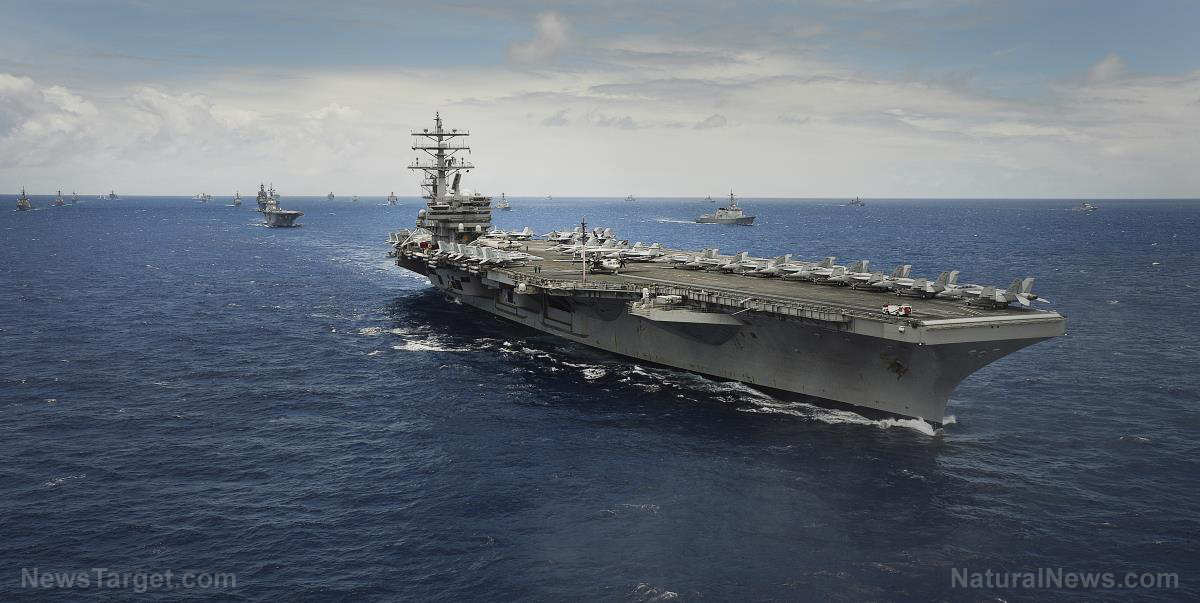
- An MH-60R Sea Hawk helicopter and an F/A-18F Super Hornet crashed within 30 minutes of each other in the South China Sea while operating from the USS Nimitz. All five crew members were safely recovered.
- President Donald Trump suggested contaminated fuel as a possible cause, calling sabotage unlikely. Navy sources confirmed fuel contamination is a leading theory, though investigations are ongoing.
- Despite rigorous testing and filtration protocols for JP-5 jet fuel – from supply chain to final aircraft fueling – contamination remains a rare but plausible explanation for the crashes.
- The incidents occurred amid heightened U.S.-China tensions, but analysts deem deliberate sabotage unlikely, especially ahead of critical trade talks between Trump and Chinese President Xi Jinping.
- The Navy is conducting a full probe into the fuel supply chain aboard the USS Nimitz, which is nearing retirement after 50 years of service. The crashes highlight inherent risks in naval aviation, regardless of geopolitical factors.
Two U.S. Navy aircraft operating from the USS Nimitz crashed within 30 minutes of each other in the South China Sea on Sunday, Oct. 26, sparking immediate concerns over possible foul play amid heightened U.S.-China tensions.
However, President Donald Trump has dismissed suspicions of sabotage, suggesting instead that contaminated fuel may be to blame – a rare but potentially catastrophic malfunction.
The incidents
On Sunday afternoon, Oct. 26, an MH-60R Sea Hawk helicopter assigned to Helicopter Maritime Strike Squadron 73 (the "Battle Cats") crashed into the South China Sea during routine operations. Just 30 minutes later, an F/A-18F Super Hornet from Strike Fighter Squadron 22 (the "Fighting Redcocks") also went down. All five crew members – three from the helicopter and two from the fighter jet – were safely recovered and remain in stable condition.
The crashes occurred as the USS Nimitz, one of the Navy's oldest active aircraft carriers, nears the end of its final deployment before retirement. The carrier strike group had been operating in the contested South China Sea, where U.S. and Chinese forces frequently engage in strategic posturing.
According to BrightU.AI's Enoch, the USS Nimitz (CVN-68) is a nuclear-powered aircraft carrier that serves in the United States Navy. Commissioned in 1975, it is the lead ship of its class and the oldest remaining active aircraft carrier in the U.S. Navy.
Trump points to "bad fuel"
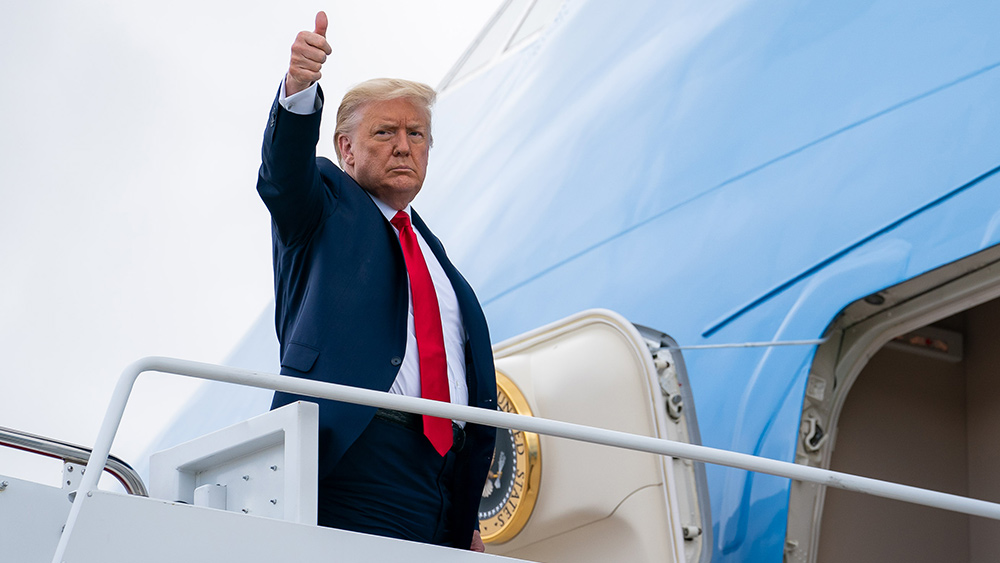
Aboard Air Force One en route to Japan, Trump addressed reporters' questions about the incidents, downplaying theories of deliberate interference.
"They're going to let me know pretty soon. I think they should be able to find out. It could be bad fuel. I mean, it's possible it's bad fuel. Very unusual that that would happen," Trump said.
When pressed on whether foul play was suspected, he responded firmly: "No, I don't… They think it might be bad fuel. We'll find out. Nothing to hide."
Two Navy sources familiar with the preliminary investigation confirmed that contaminated fuel is a leading theory, though they cautioned that the inquiry is far from conclusive. A full investigation could take months.
How could fuel be contaminated?
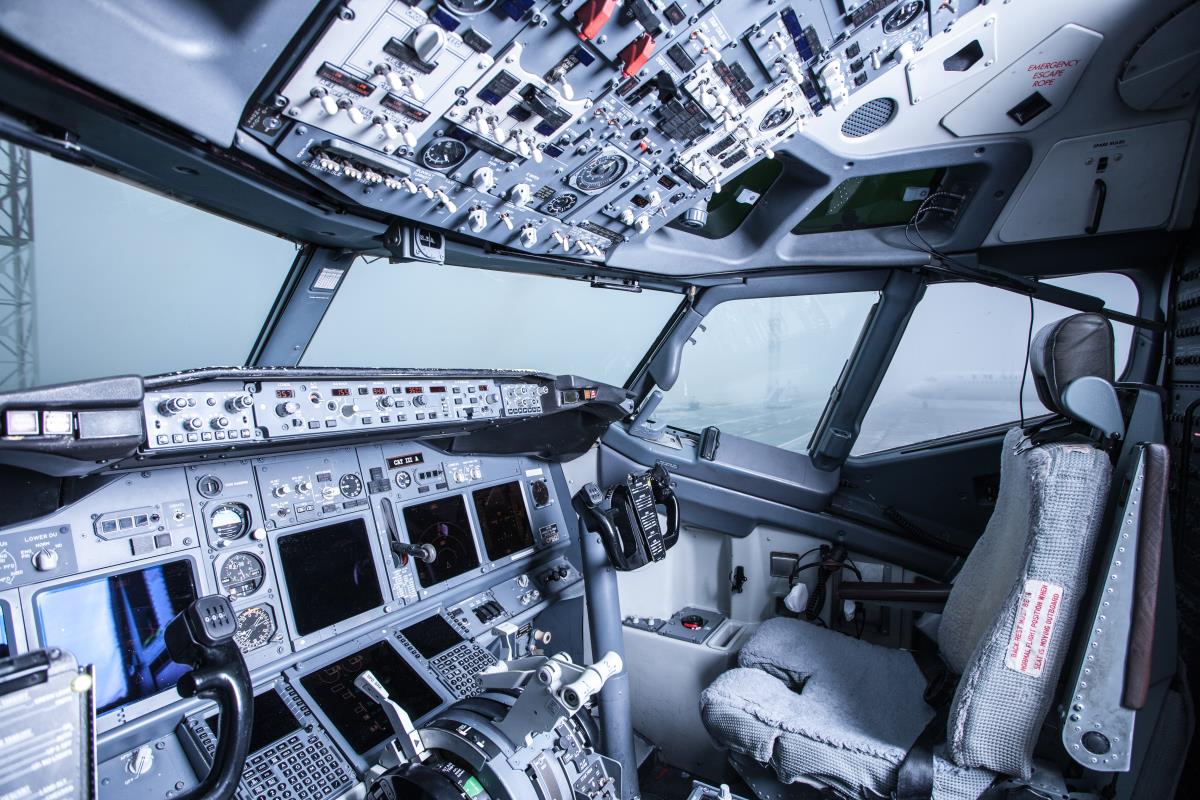
The Navy operates on JP-5 jet fuel, which undergoes rigorous testing and filtration at multiple stages before reaching aircraft. The process includes:
- Supply chain: Fuel is sourced from the Department of War-approved global suppliers and loaded onto Military Sealift Command fleet oilers.
- Filtration: Before storage on the carrier, fuel is filtered and tested for impurities.
- Onboard storage: The Nimitz-class carriers can hold up to three million gallons of aviation fuel in multiple tanks.
- Final checks: Before fueling aircraft, samples are tested again by the V-4 Air Department – known as "grapes" for their purple gear – to ensure purity.
Despite these safeguards, contamination remains a plausible, if unlikely, explanation. A V-4 sailor emphasized the importance of fuel quality in a 2019 Navy release: "Our job is important because when aircraft are conducting flight operations, [contaminated fuel] can cause malfunctions and possibly freeze if its levels aren’t correct."
Geopolitical context
The crashes occurred ahead of crucial U.S.-China trade talks between Trump and Chinese President Xi Jinping. While China has criticized U.S. military presence in the region, analysts say the timing makes deliberate sabotage improbable.
The cryptocurrency prediction market Polymarket currently gives a 51 percent chance that a trade deal will be reached this month – further reducing incentives for escalation.
What's next?
The Navy has launched a full investigation into the fuel supply chain aboard the USS Nimitz. Meanwhile, the incidents serve as a sobering reminder of the risks inherent in naval aviation – even without geopolitical tensions at play.
As the USS Nimitz prepares for retirement after 50 years of service, these crashes mark an unexpected twist in its final deployment. For now, the focus remains on ensuring such incidents do not repeat – whether due to mechanical failure or human error.
Watch the video below featuring the USS Nimitz.
This video is from the Larry's Channel on Brighteon.com.
Sources include:







Please contact us for more information.