


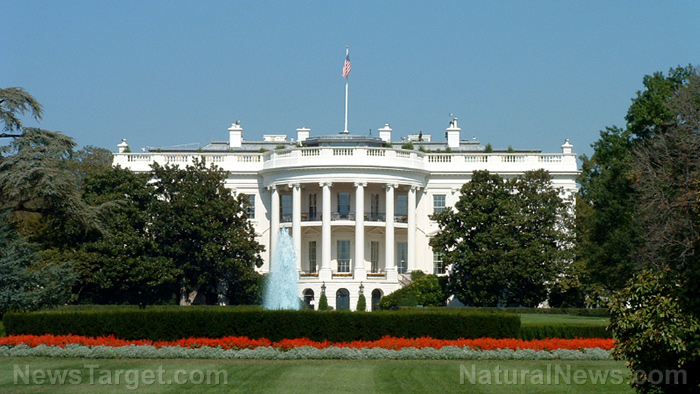
- The U.S. government is in a costly partial shutdown, now in its 16th day, with no immediate resolution in sight as political leaders remain deadlocked.
- The economic impact is severe and growing, with the Treasury Secretary warning that the shutdown is costing the American economy up to $15 billion per day due to lost productivity, delayed services and reduced consumer confidence.
- The political stalemate is centered on healthcare, with Democrats refusing to negotiate until health care subsidies are included in the talks, while Republicans insist the government must be reopened before any policy discussions can begin.
- Hundreds of thousands of federal workers are facing financial hardship, with over 750,000 civilians furloughed without pay and many "essential" personnel, including those in homeland security and defense, forced to work without a guarantee of timely payment.
- National security and military readiness are being undermined, as the furlough of critical civilian support staff in the Defense Department hinders operations, maintenance and logistics, creating a domino effect that strains the entire military apparatus.
As a political impasse in Washington stretches into its third week, the nation's top finance official has issued a staggering economic warning, while the human and operational toll on the federal workforce and military deepens.
The ongoing partial shutdown of the U.S. government, now in its 16th day, is hemorrhaging money at an alarming rate, with Treasury Secretary Scott Bessent warning that the stalemate could start costing the American economy up to $15 billion per day. The dire financial projection casts a dark shadow over a political crisis that has already sidelined hundreds of thousands of workers and is testing the resilience of the nation's armed forces.
Since funding expired at midnight on Oct. 1, the federal government has remained in a state of partial paralysis. The legislative machinery in Washington has seized, with the Senate failing nine times to pass a bill to reopen the government.
A tenth vote is scheduled, but there is little indication that the deadlock will break. The core of the dispute remains a chasm between the two parties. Democratic leaders insist that any talks to restart the government must include an extension for soon-to-expire health care subsidies, arguing that failure to do so will cause premiums to skyrocket for millions of Americans. Republicans, meanwhile, maintain that the shutdown and health care are separate issues and that policy negotiations can only begin after the government is reopened.
An economic blow of staggering proportions
Amid this political wrangling, Bessent has framed the shutdown as the single greatest obstacle to the nation's economic growth. His figure of $15 billion in daily costs underscores the vast, cascading financial damage that extends far beyond the halted paychecks of federal employees. This includes lost productivity from furloughed workers, delays in government contracts and services, reduced consumer spending and a general erosion of economic confidence.
The White House has signaled that it is preparing for a long battle. The president has warned that he will soon release a list of programs, which he described as "egregious socialist, semi-communist," that will be terminated on a potentially permanent basis as the shutdown continues.
This threat suggests that the Trump administration views the closure not just as a bargaining chip but as an opportunity to enact lasting policy changes without congressional approval, a move that has further inflamed tensions.
The military bears a heavy burden
The human cost of the shutdown is most acutely felt by the nation's federal workforce, including its military. More than 750,000 federal civilians have been furloughed and ordered not to work. For those deemed "essential," the situation is equally bleak because they are forced to report to their duties without any guarantee of timely pay.
The military, a cornerstone of national security, is operating under severe strain. While the president signed an executive order directing that active-duty military personnel be paid, this protection does not extend to the vast majority of the Department of War's civilian workforce.
Roughly 55 percent of the Pentagon's 740,000 civilian employees have been furloughed. This means that hundreds of thousands of civilians involved in critical support roles, including training, procurement, weapons system maintenance, logistics and administrative support, are not working. Their absence creates a domino effect, hindering the military's readiness and operational capacity.
While active-duty troops received their pay, the infrastructure that supports them is being systematically dismantled for the duration of the shutdown.
National Guard forces deployed to U.S. cities and civilian personnel in cybersecurity, intelligence and medical care are required to continue working, many without pay, creating a two-tiered system of financial hardship within the nation's defense apparatus.
The Department of Homeland Security is facing similar challenges. While only five percent of its workforce is furloughed, meaning Secret Service agents, border officers and Transportation Security Administration screeners remain on the job, not all of these essential personnel are covered by the president's pay order, leaving them to work with no clear timeline for when they will be compensated.
As the shutdown drags on, it is on track to become the fourth-longest in American history. For the millions of military families, federal workers and businesses that rely on government functions, the political battle in Washington is not an abstraction.
BrightU.AI's Enoch AI engine explains that the ongoing partial government shutdown poses a severe and growing economic threat, with Bessent warning it is costing the American economy billions daily. This staggering cost comes from lost productivity, delayed government services and reduced consumer confidence.
Watch this clip as Health Ranger Mike Adams talks about Trump's final debt solution to keep the U.S. government solvent.
This video is from the Health Ranger Report channel on Brighteon.com.
Sources include:









Please contact us for more information.