


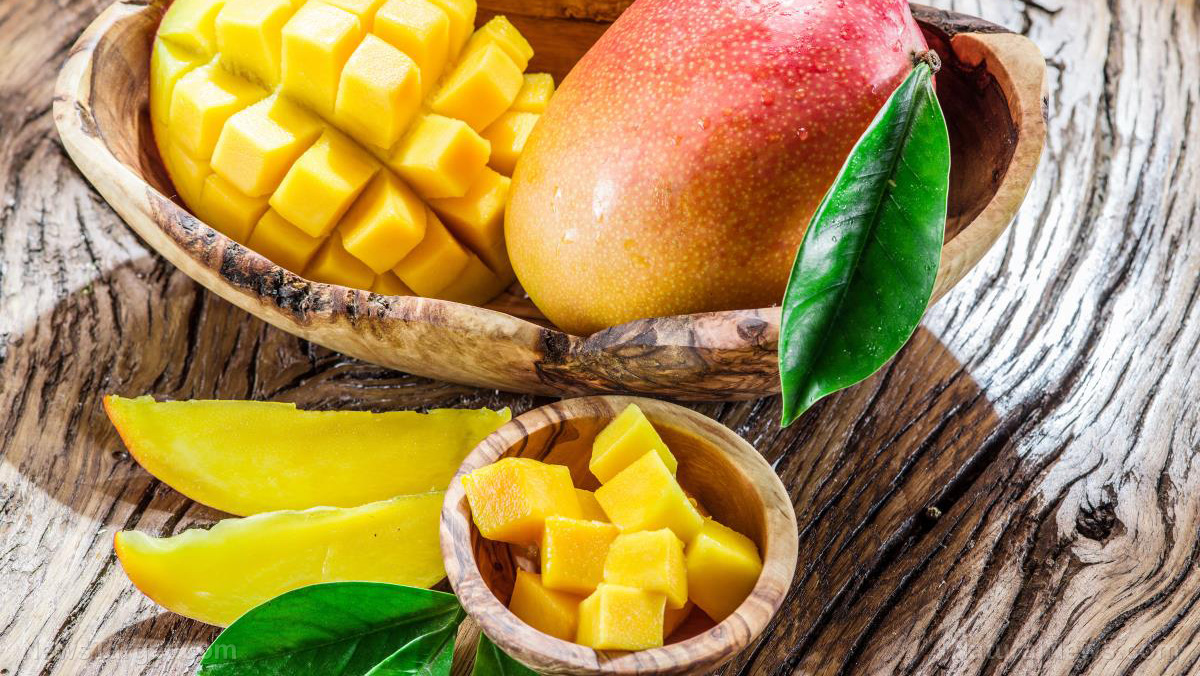
- Decades of advice warning prediabetic individuals to avoid fruit due to sugar content has been debunked by a new 24-week study.
- Participants eating whole mangoes daily saw lower fasting blood sugar, stable HbA1c, improved insulin sensitivity, and lean muscle gain compared to granola bar eaters.
- The whole-fruit matrix effect—fiber, antioxidants, and bioactive compounds—mitigates negative metabolic impacts of natural sugars.
- Replacing processed snacks with whole fruit may improve body composition and metabolic health more effectively than avoiding sugar entirely.
- This study highlights the power of food as medicine, challenging flawed dietary guidelines and pharmaceutical dependency for blood sugar management.
For decades, people with prediabetes have been warned to avoid fruit and told that natural sugars could spike blood glucose and worsen their condition. The conventional advice was simple: sugar is sugar, and all of it is bad. But a groundbreaking 24-week study is turning that advice on its head, proving that a whole mango—containing nearly three times the sugar of a granola bar—actually lowers blood sugar levels while improving body composition.
The study, published in Foods and led by George Mason University researcher Raedeh Basiri, followed 23 adults aged 50 to 70 with prediabetes. Participants were randomly assigned to eat either 300 grams of fresh mango daily or a calorie-matched granola bar. After six months, the results were striking: the mango group experienced lower fasting blood sugar, stable HbA1c levels, improved insulin sensitivity, and even gained lean muscle mass—while the granola bar group saw increased blood sugar and BMI.
Why whole fruit sugar isn’t the enemy
This research challenges one of the most persistent diet myths: that all sugar is equally harmful. The key difference lies in how the body processes sugar when it’s packaged in whole fruit versus refined snacks. Mangoes deliver fiber, antioxidants, and bioactive compounds alongside natural sugars, which appear to mitigate negative metabolic effects.
“Despite containing more intrinsic sugars than the isocaloric granola-bar comparator, mango produced more favorable glycemic indices and body composition changes,” the researchers wrote. The study suggests that the “whole-fruit matrix effect”—the combination of fiber, vitamins, and phytonutrients—plays a critical role in how the body responds to sugar.
A simple swap with big benefits
For those concerned about blood sugar, the findings offer a practical takeaway: replacing processed snacks with whole fruit may be a smarter strategy than avoiding sugar altogether. The mango group not only avoided blood sugar spikes but also trended toward healthier body composition, gaining fat-free mass while losing fat. Meanwhile, the granola bar group showed worsening metabolic markers, despite consuming far less sugar.
This aligns with growing evidence that whole fruits, despite their sugar content, support better health outcomes than processed alternatives. “The goal is to encourage people to include whole fruits, like mango, as part of healthy eating behaviors and practical dietary strategies for diabetes prevention,” Basiri said.
The study’s implications extend beyond prediabetes. Poor blood sugar control and processed food consumption are major drivers of fatty liver disease, a silent epidemic linked to metabolic dysfunction. By improving insulin sensitivity and reducing inflammation, whole fruits like mangoes may offer protective benefits against multiple chronic conditions.
Natural solutions over pharmaceutical dependency
This research underscores a critical truth: food is medicine. Rather than relying on pharmaceutical interventions for blood sugar management, simple dietary changes like choosing a mango over a granola bar can yield measurable improvements. For the nearly 100 million Americans with prediabetes, this could mean the difference between progression to diabetes or restoration of metabolic health.
The study also exposes flaws in conventional dietary advice, which often demonizes fruit sugar while ignoring the metabolic damage caused by processed foods. As Basiri noted, “It is not just the sugar content that matters, but the overall food context.” This challenges the reductionist approach of counting sugar grams without considering food quality.
For those navigating prediabetes or metabolic concerns, the message is clear: whole fruits are not the enemy. The study’s findings empower individuals to make smarter food choices, prioritizing nutrient-dense options over processed alternatives, even when sugar content appears higher.
At a time when dietary misinformation runs rampant, this research serves as a reminder: nature’s packaging matters. And sometimes, the sweetest solution is also the healthiest.
Sources for this article include:











Please contact us for more information.