


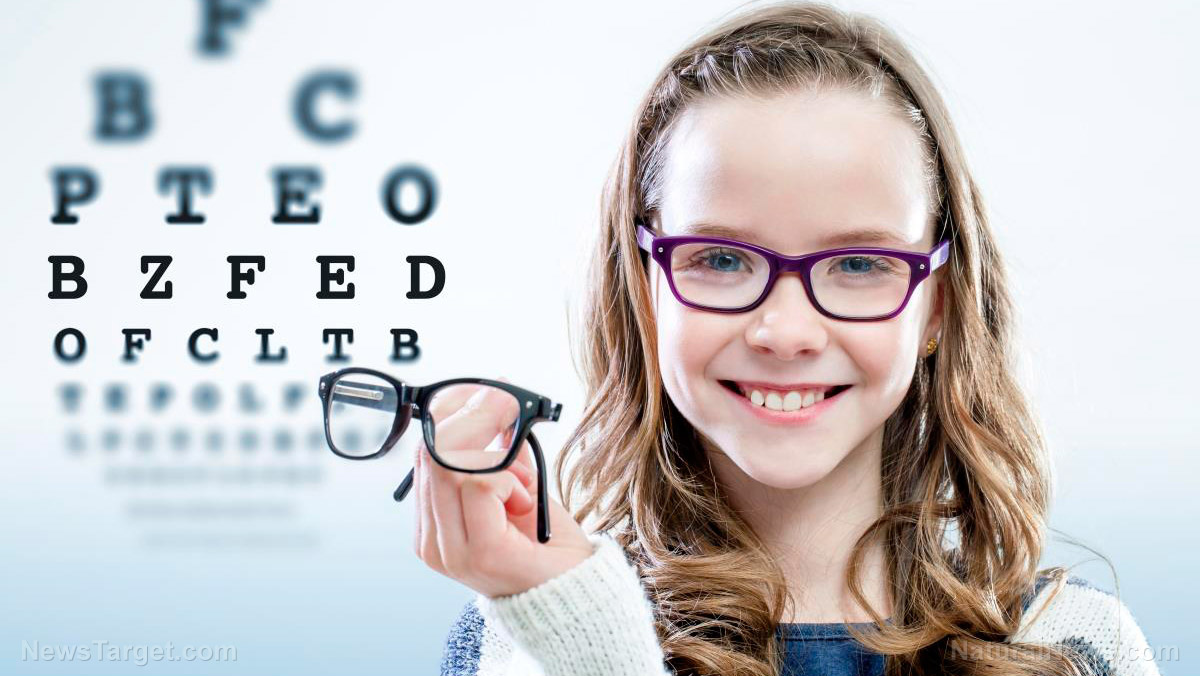
- A new study links air pollution to rising childhood nearsightedness.
- Nitrogen dioxide and PM2.5 are identified as key culprits damaging children's developing eyes.
- Younger children are most vulnerable, indicating a critical window for intervention.
- Reducing these pollutants by just 20% could lead to measurable improvements in vision.
- Recommended actions include installing air purifiers in schools and creating traffic-free zones.
Our world is increasingly saturated with invisible chemical threats, from the formaldehyde in our curtains to the chlorine in our tap water. Now, a new danger is coming into focus for our most vulnerable population: children. A groundbreaking study has uncovered a direct link between the very air children breathe and a rising epidemic of nearsightedness, suggesting that the environmental assault on human health now includes permanent damage to eyesight. This research, conducted in China and involving 30,000 schoolchildren, delivers a strong warning that air pollution is not just a respiratory hazard but a direct threat to visual development.
The study, published in the journal PNAS Nexus, isolated two primary pollutants as key culprits: nitrogen dioxide (NO?) and fine particulate matter known as PM2.5. These toxins, spewed relentlessly by vehicle exhaust, industrial power plants, and fossil fuel combustion, are now being linked to how well a child can see the world without glasses. While genetics and excessive screen time have long been blamed for the surge in childhood myopia, this study is among the first to pinpoint air pollution as a major, and critically, modifiable risk factor.
Professor Zongbo Shi of the University of Birmingham, who co-supervised the study, stated, “Clean air isn’t just about respiratory health—it’s about visual health too. Our results show that improving air quality could be a valuable strategic intervention to protect children’s eyesight, especially during their most vulnerable developmental years.”
A targeted assault on the young
The research revealed that primary school children are uniquely susceptible to the damaging effects of polluted air. Their developing eyes showed the most significant improvements in vision scores when air quality was enhanced. In contrast, older students and those with already severe myopia were less affected by environmental changes, their vision more firmly dictated by genetic factors. This indicates a critical window of opportunity in which intervention can alter a child’s visual future.
The mechanism behind this damage is as insidious as the pollutants themselves. Scientists suggest that these toxic particles cause inflammation and oxidative stress in the eye, damaging delicate tissues. They can also disrupt the protective tear film and even trigger chemical changes that alter the shape of the eye, leading to myopia. Furthermore, heavy pollution often reduces beneficial sunlight exposure, which is crucial for healthy eye development.
Actionable solutions for a clear-eyed future
The findings are not just a diagnosis of a problem but a prescription for a solution. The research team used machine learning to model cleaner environments and found that reducing PM2.5 and NO2 levels by just 20 percent led to measurable improvements in children’s vision. This points toward practical, immediate actions that communities can take to shield their children.
Co-author Dr. Yuqing Dai commented, “Myopia is on the rise globally, and it can lead to serious eye problems later in life. While we can’t change a child’s genes, we can improve their environment. If we act early—before severe myopia sets in—we can make a real difference.”
The study recommends installing high-quality air purifiers in classrooms, creating “clean-air zones” around schools by restricting traffic, and closing streets to cars during school arrival and dismissal times.
This study adds a critical new layer to our understanding of how a chemically-saturated environment is systematically breaking down human health. It connects the dots between industrial emissions and a very personal, life-altering condition. The evidence now suggests that fighting for cleaner air is synonymous with fighting for our children’s vision, proving once again that the greatest health interventions often lie in removing the poisons we have carelessly added to our environment.
Sources for this article include:








Please contact us for more information.