


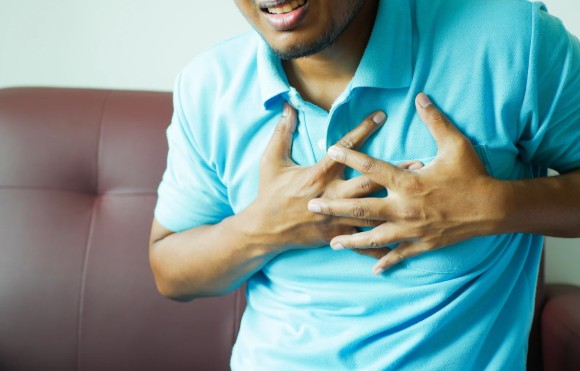
- Study shows how hidden oral bacteria colonize arterial plaques, evading the immune system for years before triggering deadly heart attacks.
- Viridans streptococci form antibiotic-resistant biofilms in arteries, making them undetectable until they activate and rupture plaques.
- Researchers found these bacteria in 100% of ruptured plaques in sudden heart attack victims, proving their lethal role.
- Past antibiotic trials failed because biofilms shield dormant bacteria, only becoming vulnerable when it’s too late.
- Poor dental hygiene directly links to a higher heart attack risk, making oral care a critical but overlooked lifesaving practice.
You brush your teeth, floss, and maybe even use mouthwash, but what if we told you that bacteria from your mouth could be silently lurking in your arteries, waiting to trigger a heart attack? A groundbreaking study from Finland has uncovered that common oral bacteria, viridans streptococci, form hidden colonies inside arterial plaques, evading the immune system for years before suddenly activating and sparking the inflammation that can rupture plaques and cause fatal heart attacks.
Researchers analyzed arterial tissue from 217 people, including sudden death victims, and found these bacteria in 42% of coronary plaques from those who died unexpectedly. The study, published in the Journal of the American Heart Association, reveals that these bacteria don’t just pass through; they set up shop, forming biofilms that resist antibiotics and hide from immune cells.
The stealth invaders in your arteries
Viridans streptococci are usually harmless residents of your mouth, but they can slip into the bloodstream during routine activities like brushing, flossing, or even chewing. Once inside, they don’t always get flushed out. Instead, they can colonize arterial plaques, forming biofilms that act like fortified bacterial cities. These biofilms are so effective at evading detection that immune cells like macrophages don’t even recognize them.
But here’s the kicker: when these bacteria suddenly activate, they trigger an immune response that weakens the plaque’s structure, making it more likely to rupture. The study found that in people who died from heart attacks, these bacteria were present in 100% of ruptured plaques in the autopsy group and 75% in surgical samples. That’s not a coincidence... it’s a smoking gun.
Why past antibiotic trials failed
For years, scientists suspected infections played a role in heart disease, leading to clinical trials testing whether antibiotics could prevent heart attacks. Most failed. Now we know why: biofilms resist antibiotics. Traditional treatments target active infections, but these hidden bacterial colonies stay dormant, shielded by their protective matrix. Only when they disperse do they become visible—and by then, the damage is done.
Professor Pekka Karhunen, who led the study, explained that until now, heart disease was thought to be driven solely by oxidized cholesterol. But this research proves bacteria are directly involved. "Bacterial involvement in coronary artery disease has long been suspected, but direct and convincing evidence has been lacking," he said.
"Our study demonstrated the presence of genetic material – DNA – from several oral bacteria inside atherosclerotic plaques," he added. Now, the evidence is undeniable.
A new approach to heart attack prevention
This discovery changes everything. Instead of just focusing on cholesterol and blood pressure, preventing heart attacks may soon involve targeting bacterial biofilms. Imagine a future where doctors can screen for these hidden infections or even develop ways to stop them before they trigger a heart attack.
But here’s the real wake-up call: poor oral hygiene increases your risk of heart attack. The study found that people who died suddenly from heart attacks often had worse dental health than average. That means taking care of your teeth isn’t just about fresh breath; it could be a lifesaving habit.
Sources for this article include:








Please contact us for more information.