







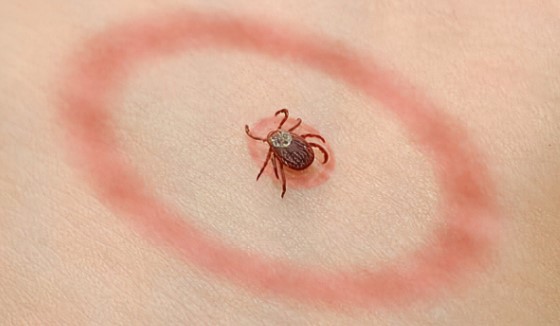
- Lyme disease now infects nearly half a million Americans yearly, often going unnoticed until severe symptoms like fatigue and brain fog develop.
- Tiny deer ticks transmit the disease after 36+ hours of attachment, making daily checks critical in high-risk areas like the Northeast and Midwest.
- Early signs include a rash (not always bull’s-eye shaped), fever, and flu-like symptoms, but misdiagnosis is common, delaying treatment.
- Untreated Lyme can cause long-term nerve damage, heart issues, and arthritis, with some patients suffering chronic symptoms even after antibiotics.
- Prevention includes prompt tick removal, saving the tick for testing, and seeking early medical intervention if symptoms appear.
If you’ve ever brushed off a tick bite as "just a bug bite," think again. Lyme disease, a stealthy infection spread by infected ticks, now strikes nearly half a million Americans annually, according to the CDC. The worst part? Many victims don’t even realize they’ve been bitten until debilitating symptoms like fatigue, joint pain, and brain fog set in.
Just ask Dan Duerden, a young farmer who went from working long days to being bedridden for 15 months after ignoring a rash he thought was ringworm. Or Erika Schlick, whose life unraveled after a tiny tick bite in Yosemite left her with severe brain fog, memory loss, and chronic pain for years.
Lyme disease isn’t just a summer nuisance; it’s a growing public health crisis, fueled by warm temperatures, expanding tick habitats, and a medical system that often misses or dismisses early signs. The good news? If caught early, it’s highly treatable. The bad news? If ignored, it can wreck your nervous system, heart, and joints for years. Here’s what you need to know to protect yourself and your family.
How Lyme disease spreads
Lyme disease is caused by the Borrelia burgdorferi bacterium, transmitted through the bite of an infected blacklegged (deer) tick. These ticks are tiny—some no bigger than a poppy seed—and their bites are often painless, meaning you might not even notice you’ve been exposed. The bacteria don’t transmit immediately; the tick must be attached for 36 to 48 hours before infection occurs. That’s why daily tick checks after outdoor activities are critical.
Where’s the danger zone?
- Northeast U.S. (Maine to Virginia)
- Upper Midwest (Wisconsin, Minnesota, Michigan)
- West Coast (Northern California, Oregon)
- Grassy, wooded, or brushy areas (even your backyard)
Children ages 5 to 14 and adults over 65 are at highest risk, but no one is safe. Farmers, hikers, pet owners, and even city dwellers with backyards can encounter infected ticks.
Early signs: Don’t ignore these red flags
The first and most telltale sign of Lyme disease is the erythema migrans (EM) rash, which appears in 75% of cases within 3 to 30 days of a bite. But here’s the catch: Only 19% of EM rashes look like the classic "bull’s-eye." Others may be:
- A red, expanding oval or circle (sometimes warm or itchy)
- Hard to see (especially on dark skin)
- Misdiagnosed as ringworm or an allergic reaction
Other early symptoms (often mistaken for the flu):
- Fever, chills, fatigue
- Muscle and joint aches
- Swollen lymph nodes
- Headache or stiff neck
If untreated, Lyme can progress to neurological issues (Bell’s palsy, meningitis), heart problems (irregular heartbeat), and severe arthritis. Some victims end up bedridden with brain inflammation, heart palpitations, and extreme fatigue—symptoms doctors initially dismissed or misdiagnosed.
Why early treatment is everything
The gold standard for early Lyme disease is a 10- to 14-day course of antibiotics (doxycycline, amoxicillin, or cefuroxime). If caught within 72 hours of a tick bite, a single dose of doxycycline can even prevent infection.
But here’s the shocking reality: 10% to 20% of treated patients develop post-treatment Lyme disease syndrome (PTLDS), with lingering fatigue, pain, and brain fog. Late-stage Lyme can require months of IV antibiotics, with no guarantee of full recovery. Making matters worse, standard blood tests miss early infections as false negatives are common in the first 4 to 6 weeks.
You should always check your body carefully for ticks after spending time outdoors. If you find one:
- Remove it ASAP with fine-tipped tweezers (grasp the head, pull straight up).
- Save the tick in a sealed bag (in case you need testing).
- Monitor for symptoms for 30 days.
- See a doctor within 72 hours if the tick was attached 36+ hours—you may need preventive antibiotics.
Don’t gamble with your health
Lyme disease is sneaky, serious, and on the rise. The difference between a quick recovery and years of suffering often comes down to one thing: early detection.
If you develop a rash, flu-like symptoms, or unexplained fatigue after outdoor exposure, don’t wait—get tested. And if doctors dismiss your concerns, keep pushing. As Erika Schlick warns: "Lyme doesn’t just affect your body. It fractures your identity, isolates you from your life, and leaves you grieving the version of yourself you used to be."
Sources for this article include:











Please contact us for more information.