


- Monk fruit’s mogrosides offer antioxidant and anticancer properties while providing zero calories.
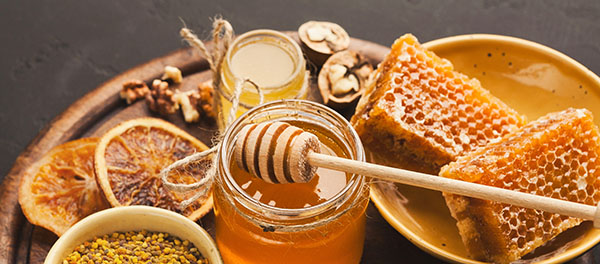
- Honey boosts gut health through prebiotics and combats inflammation via phenolic compounds.
- Maple syrup and molasses retain vital minerals like manganese and iron when minimally processed.
- Unrefined cane sugars like jaggery preserve iron and calcium, retaining natural robust flavors.
- Switching to natural sweeteners may aid diabetes management, reduce artificial additives and enhance overall wellness.
Move over, white sugar — natural sweeteners are stepping into the spotlight with flavors, minerals and health benefits that industrialized sugar can’t match. As consumers prioritize whole foods and health-conscious choices, ancient staples like honey, maple syrup, molasses and emerging favorites like monk fruit are gaining recognition as more than just alternatives to refined sugar. These sweeteners carry the essence of their origins, from Himalayan valleys to New England forests, and their resurgence today reflects a growing understanding of their role in disease prevention and culinary creativity. Here’s a look at how these alternatives are redefining sweetness.
Monk fruit: The antioxidant-packed Asian sweetener gaining global traction
Native to southern China, monk fruit (Siraitia grosvenorii) has been a foundational part of traditional medicine for centuries. Its nectar, used to treat sore throats and coughs, now captivates modern nutritionists for its mogrosides — differentiated from common sugar molecules, these compounds deliver sweetness 100–300 times more potent than table sugar while remaining calorie-free.
Research highlights mogrosides’ ability to combat oxidative stress, reduce chronic inflammation and interfere with cancer cell proliferation. A 2023 review in the Chinese Journal of Medicine notes their potential to modulate blood sugar levels without spikes, making monk fruit extracts a cornerstone for diabetes management. The FDA has declared monk fruit extract “Generally Recognized as Safe,” aligning with traditional practices.
Dr. Elena Wu, a nutritional epidemiologist at the Eastern Health Institute, explains: “Monk fruit isn’t just guilt-free sweetness — it’s a functional food. The anti-inflammatory effects and lack of glycemic impact make it a game-changer for metabolic health.”
Honey: From cave drawings to cutting-edge antioxidants
Honey’s journey dates back millennia, with Paleolithic cave paintings depicting humans harvesting its bounty. Its revival in nutrition science celebrates its duality as both a preservative and a healing agent. Raw honey’s antioxidant profile varies with floral sources, from eucalyptus to clover, delivering enzymes like hydrogen peroxide and phenolic compounds that fight free radicals.
A 2021 review in Integrative Medicine Insights underscores honey’s prebiotic role, nurturing beneficial gut bacteria that bolster immunity and digestion. Its antimicrobial properties also make it a natural topical treatment for wounds. Yet caution remains for infants and immunocompromised individuals due to rare botulism risks.
“Honey’s polyphenol content differs by region and season,” says apiarist Clara Nguyen, owner of Urban Beesource. “When I sell local honeys, customers taste the terroir and understand they’re consuming a product tied to their environment—physically and nutritionally.”
Maple syrup and molasses: Nutrient-dense liquids overlooked no more
Producers of maple syrup and molasses emphasize their delayed-rising processes compared to white sugar. Vermont’s Grade A varieties offer rich manganese and zinc, while molasses—often dismissed as sugar refining byproduct—is a mineral powerhouse. Blackstrap molasses, the darkest and final extraction, yields iron, magnesium and antioxidants that rival many vitamins.
Chefs and cooks adapt these sweeteners carefully: liquid versions demand recipe adjustments (e.g., reducing other liquids), while maple sugar (crystallized form) offers 1:1 substitution for baking.
“The minerals in these sweeteners contribute to balanced eating,” states dietician Aisha Patel, emphasizing their role in iron deficiency prevention for women and postmenopausal individuals.
Jaggery and piloncillo: Traditional sugars reclaim their place
Unrefined cane sugars like India’s jaggery and Mexico’s piloncillo retain molasses, awarding them iron, potassium and calcium typically lost in refining. Used in curries, coffee and traditional medicine, these blocks or powders challenge the cane sugar complex linked to tooth decay.
“Growing global interest in ethically sourced goods has boosted sales,” notes imports expert Javier Rivera. “Fair trade jaggery labels now compete with mainstream brands, reflecting consumer demand for traceable ingredients.”
The rising tide of natural sweeteners
The shift to natural sweeteners isn’t just a diet trend — public health metrics and food culture evolution drive the movement. With diabetes prevalence soaring globally (1 in 10 U.S. adults in 2022), low-calorie, low-glycemic-index options offer practical solutions. Additionally, antibiotic resistance heightens demand for natural antimicrobial agents like honey, while culinary versatility — from vegan jams to cancer-fighting monk fruit supplements — opens new markets.
As consumers seek transparency, these unprocessed sugars become symbols of “farm to fork” integrity. Brian Hines, founder of the Honey Health Initiative, notes: “People are learning that sweetness is a spectrum. Choosing minimally processed varieties isn’t just healthier—it adds terroir, depth and a connection to centuries-old traditions.”
In summary, natural sweeteners offer diverse nutritional landscapes, from monk fruit’s anticancer mogrosides to honey’s probiotic punch. As regulators and researchers validate their benefits, chefs and families are rediscovering these treasures as both medicine and essential pantry staples.
Sources for this article include:










Please contact us for more information.