


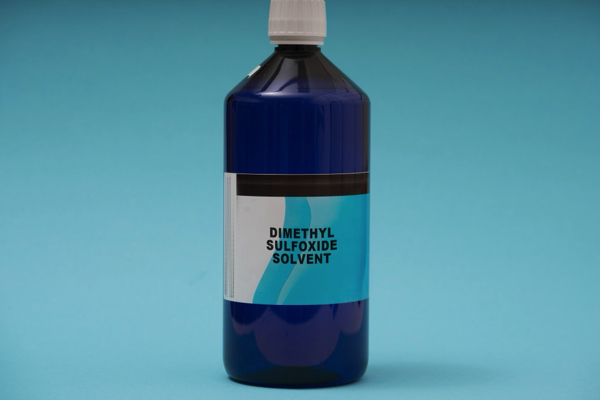
- First synthesized in 1866, dimethyl sulfoxide (DMSO) is a small molecule with high penetrating power and a unique structure that allows it to act as a universal solvent.
- DMSO provides fast, long-lasting pain relief by blocking nerve signals without sedating the brain or risking addiction.
- It powerfully reduces inflammation and protects tissues by neutralizing harmful free radicals and blocking inflammatory chemicals.
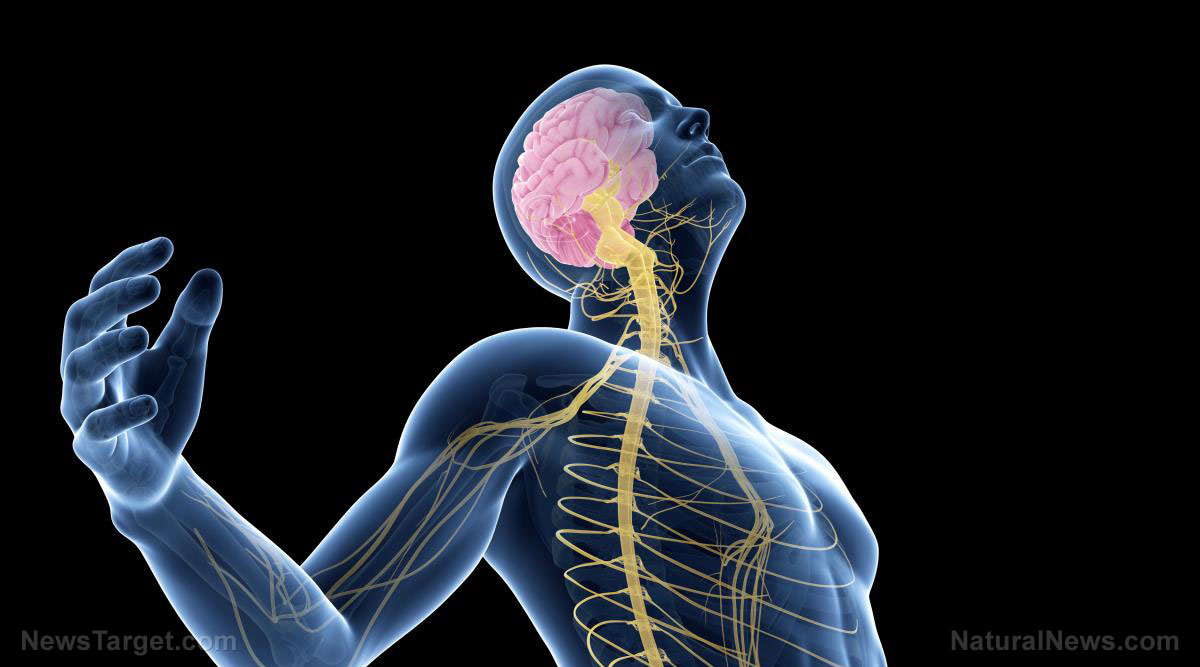
- It shields the brain and spinal cord from injury, lowers pressure, improves oxygen delivery and supports recovery after trauma or stroke.
- In heart and wound care, DMSO improves blood flow, prevents clotting, accelerates healing and reduces scarring.
- It protects cells during freezing and storage and may help stabilize misfolded proteins, which are linked to diseases like Alzheimer's.
- Though widely studied, DMSO remains underused due to a lack of patents and profits – not a lack of scientific promise.
Dimethyl sulfoxide (DMSO) might sound like something you'd only find under a chemist's microscope, but this powerful compound has a compelling and often overlooked story.
Doctors Stanley W. Jacob and Jack C. dela Torre spent decades exploring DMSO's potential. Their work, featured in the book "Dimethyl Sulfoxide (DMSO) in Trauma and Disease," shines a light on this colorless substance that may be one of medicine's best-kept secrets.
In 1964, Jacob made a curious observation: After applying DMSO to human skin, people would soon taste garlic on their tongues. That odd reaction revealed a major scientific clue: DMSO could penetrate the skin and enter the bloodstream almost instantly.
Originally synthesized in 1866 and long used as an industrial solvent, DMSO was suddenly at the center of one of medicine's most exciting research frontiers.
What makes DMSO special?
DMSO is amphiphilic – it likes both water and fat – making it uniquely capable of moving through skin, fat, blood and even the brain. It can also carry other molecules along for the ride, making it a potential powerhouse for drug delivery. Scientists discovered it could act as:
- A pain reliever (analgesic)
- An anti-inflammatory
- An antioxidant
- A nerve protector (neuroprotectant)
- A chemical chaperone that helps misfolded proteins regain their shape
It does all of these without the dangerous side effects associated with opioids, steroids or chemotherapy.
Pain and inflammation: DMSO's frontline roles
DMSO is particularly promising for pain management. It blocks pain at the nerve level – targeting A-delta and C-fibers, which send sharp and dull pain signals, respectively. Unlike morphine, DMSO doesn't sedate you or suppress your breathing. In fact, pain relief from DMSO has been shown to last longer than relief from opioids without the risk of overdose. (Related: DMSO: A new era in pain management.)
DMSO also helps put out the biological fire of inflammation. By neutralizing free radicals (rogue molecules that damage cells), blocking inflammatory chemicals like TNF-alpha and interleukins, and reducing prostaglandin production, DMSO can tame everything from arthritis to inflammatory bowel diseases.
Protecting the brain and spinal cord
Dela Torre's research showed DMSO's ability to reduce brain and tissue swelling, improve oxygen delivery, stabilize breathing after traumatic brain injuries, protect cord tissue from neurodegeneration and improve sensory-motor recovery in spinal cord injury. In animal and early human studies, DMSO performed as well or even better than mannitol – a common brain swelling treatment in steroid therapy – in reducing intracranial pressure.
In stroke models, DMSO helped restore blood flow and protected brain tissue from damage. It even shields against glutamate excitotoxicity – a deadly overload of brain chemicals that kills neurons.
From heart health to healing wounds
In heart disease, DMSO improved cardiac output, reduced clotting and scavenged free radicals that wreak havoc during heart attacks. It showed strong results in animal models of heart attack and ischemia (restricted blood flow), offering hope for better emergency treatments. Combined with fructose-1, 6-diphosphate (FDP), DMSO has shown promising results in improving neurological outcomes in patients with acute and sub-acute cerebral infarction.
Topically, DMSO has been used to treat burns, ulcers and scars. It enhances the absorption of other healing agents, reduces tissue damage and prevents the formation of stubborn scar tissue. It's even been used to heal skin flaps and minimize damage after chemical burns.
A guardian of cells: Cryopreservation and beyond
One of DMSO's most widespread uses today is in cryopreservation – the freezing of biological samples such as stem cells, sperm, eggs and umbilical cord blood. DMSO prevents ice crystals from forming and damaging delicate cells.
It is also being studied for its ability to stabilize misfolded proteins linked to diseases like Alzheimer's, Parkinson's and mad cow disease. As a chemical chaperone, DMSO may help guide these proteins back to their proper shape, reducing cell damage and improving function.
It has also been found to extend the lifespan of the nematode Caenorhabditis elegans and improve memory function in rat models of dementia. DMSO has also shown potential in attenuating age-related cognitive decline in mouse models of olivocerebellar degeneration.
A potential ally in cancer treatment
While still under investigation, DMSO shows promise in cancer care. It can make cancer cells mature into less dangerous forms, enhance the effectiveness of chemotherapy and reduce toxic side effects. DMSO may also block some of the damaging signals that tumors use to grow and spread. (Related: DMSO: A common lab chemical with ANTICANCER potential.)
Watch this video to learn more about the applications of DMSO.
This video is from the Daily Videos channel on Brighteon.com.
More related stories:
DMSO and natural dyes: A suppressed cancer treatment resurfaces in independent research.
The miraculous healing power of DMSO: Nature's forgotten cure for cancer, pain and regeneration.
Sources include:








Please contact us for more information.