


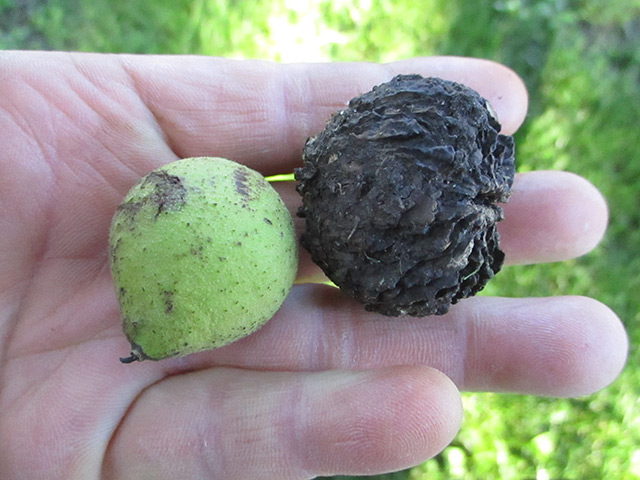
- The eastern American black walnut (Juglans nigra) has been valued for centuries by indigenous peoples and European settlers for its durable wood, nutrient-rich nuts and medicinal properties. It has played a significant role in furniture-making, traditional medicine and cultural symbolism.
- Black walnuts are rich in protein, healthy fats, fiber, omega-3 fatty acids and phytonutrients like juglone, ellagic acid, polyphenols and melatonin. These compounds offer anti-inflammatory, antioxidant, antifungal and antibacterial benefits, supporting heart health, digestion, skin health and immune function.
- The black walnut tree faces challenges from thousand cankers disease, a fungal infection that has led to declines in some populations, threatening its long-term survival.
- Black walnuts have a robust, earthy flavor and are used in both sweet and savory dishes, such as baked goods, salads and desserts. Their distinct taste and versatility make them a prized ingredient in the kitchen.
- Today, black walnut is available in various forms – including capsules, tinctures and extracts – for medicinal use. However, responsible consumption is advised due to potential side effects. Preserving black walnut trees is crucial to maintaining their ecological, cultural and health benefits for future generations.
The eastern American black walnut (Juglans nigra) is a remarkable tree that has been revered for centuries, not only for its sturdy, beautiful wood but also for its nutrient-rich nuts and medicinal properties. Native to central and eastern North America, this deciduous tree thrives in riparian zones – areas adjacent to rivers and streams – where its deep roots anchor it firmly in the soil.
Black walnut has played a significant role in the history, culture and health practices of the regions where it grows. However, its future is threatened by thousand cankers disease, a fungal infection that has led to the decline of walnut trees in some areas. Despite this challenge, black walnut remains a powerhouse of nutrition and healing, offering a wealth of benefits for those who incorporate it into their diets and wellness routines.
A brief history of black walnut
Black walnut has been a part of North American ecosystems for thousands of years. Indigenous peoples were the first to recognize its value, using the nuts as a food source and the bark, leaves and hulls for medicinal purposes.
European settlers later adopted these practices and began cultivating black walnut for its wood, which is prized for its durability and rich, dark color. The tree’s wood became a staple in furniture-making, cabinetry and even gunstocks.
The scientific name J. nigra reflects its classification within the walnut family, Juglandaceae. The genus name Juglans is derived from the Latin Jovis glans, meaning "Jupiter's acorn," a nod to its regal stature and nutritional value. Black walnut trees can live for over 200 years, reaching heights of up to 100 feet, and their nuts have been harvested for both culinary and medicinal uses since their discovery.
Nutritional profile and phytonutrients
Black walnuts are a rich source of essential nutrients, including protein, healthy fats, fiber and a variety of vitamins and minerals. They are particularly high in omega-3 fatty acids, which are known for their anti-inflammatory properties and benefits for heart health. Additionally, black walnuts contain a unique blend of phytonutrients, including:
- Juglone: A compound with antifungal, antibacterial and antiparasitic properties.
- Ellagic acid: An antioxidant that helps protect cells from oxidative stress and may reduce the risk of chronic diseases.
- Polyphenols: Compounds that support gut health and reduce inflammation.
- Melatonin: A hormone that regulates sleep and has antioxidant effects.
These phytonutrients contribute to black walnut's reputation as a superfood and a natural remedy for a variety of ailments.
Health benefits and medicinal uses
Black walnut has been used in traditional medicine to address a wide range of symptoms and conditions. Its antifungal and antiparasitic properties make it a popular choice for treating infections, including candida overgrowth and intestinal parasites. The high levels of antioxidants in black walnuts also make them effective in combating oxidative stress, which is linked to chronic diseases such as heart disease, diabetes and cancer.
Some of the specific health benefits associated with black walnut include:
- Digestive health: The fiber content in black walnuts supports healthy digestion and may alleviate constipation.
- Skin health: Topical applications of black walnut hull extract have been used to treat fungal skin infections, acne and eczema.
- Immune support: The antimicrobial properties of juglone help strengthen the immune system and protect against infections.
- Cardiovascular health: The omega-3 fatty acids in black walnuts help reduce cholesterol levels and improve heart health.
Black walnuts have a distinct flavor that sets them apart from their more common English walnut counterparts. Their taste is robust, earthy and slightly bitter, with a rich, nutty aroma. The nuts are encased in a hard, dark brown shell, which is surrounded by a green hull that turns black as it matures. The kernels themselves are a deep, golden brown and have a slightly wrinkled texture.
Black walnuts in the kitchen
In the kitchen, black walnuts are a versatile ingredient that can be used in both sweet and savory dishes. They are often found in baked goods, salads and desserts, where their bold flavor adds depth and complexity.
Black walnut is known by several common names – including American walnut, eastern black walnut, and simply black walnut. In some regions, it is referred to as "gunwood" due to its historical use in making gunstocks. The tree's cultural significance extends beyond its practical uses; it has also been celebrated in literature and folklore. For example, in some Native American traditions, black walnut is considered a symbol of wisdom and protection.
Today, black walnut is available in various forms – including capsules, tinctures and extracts – making it easy to incorporate into a wellness routine. However, it is important to use black walnut products responsibly, as excessive consumption can lead to side effects such as digestive discomfort.
Black walnut is a true superfood with a rich history and a wide range of health benefits. From its nutrient-dense nuts to its medicinal properties, this remarkable tree has much to offer. Whether enjoyed in a delicious recipe or used as a natural remedy, black walnut is a valuable addition to any health-conscious lifestyle. As we continue to explore the potential of this ancient healing herb, it is essential to protect and preserve the black walnut trees that have sustained and nourished us for generations.
Watch this video about superfood snacks that use walnuts and others.
This video is from the Health Ranger Report channel on Brighteon.com.
Sources include:







Please contact us for more information.