


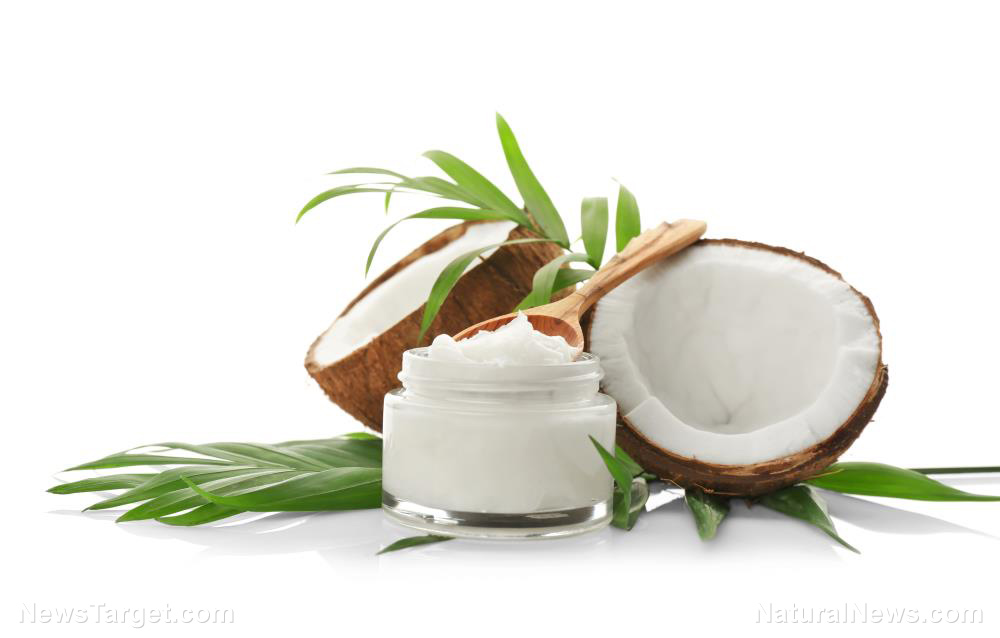
- Coconut butter contains lauric acid that boosts immunity and fights viruses, bacteria and fungal infections.
- Medium-chain fatty acids in coconut butter boost metabolism by up to five percent and aid weight loss.
- The saturated fat in coconut butter raises beneficial HDL cholesterol while lowering harmful LDL levels.
- Ketones produced from coconut butter provide alternative brain fuel that may help Alzheimer's patients.
- Coconut butter is made from whole coconut meat, unlike coconut oil which is extracted fat only.
- The versatile spread can be used in everything from coffee creamer to savory curry dishes.
The return of traditional fat
In an era when processed seed oils dominate supermarket shelves and Big Pharma churns out statins for cholesterol, coconut butter represents a quiet rebellion. Made simply from ground coconut meat, this thick, creamy spread carries all the benefits of the whole coconut—oil, water, fiber and minerals—in a form that has nourished Pacific Island cultures for millennia. Now available in health food stores nationwide and easily made at home, coconut butter delivers lauric acid, medium-chain triglycerides (MCTs) and essential amino acids without the additives, preservatives or synthetic processing that characterize modern industrial food.
Immunity and infection defense
The lauric acid content in coconut butter acts as a potent antimicrobial compound, regulating immune function while actively destroying harmful pathogens. Researchers have found this same 12-carbon fatty acid appears abundantly in human breast milk, where it protects developing infants. Coconut ranks as the next best dietary source after human milk. Studies demonstrate that monolaurin, a derivative of lauric acid, can inhibit stomach viruses and bacteria including E. coli and staph, while also fighting urinary tract infections. This is especially relevant today as the population faces mounting toxic exposures from chemtrails, food additives and COVID spike protein shedding that tax immune function.
Metabolic and weight management benefits
Unlike the long-chain fats found in processed vegetable oils, MCTs in coconut butter bypass normal fat storage pathways. The liver converts them directly into energy, which explains why studies show one to two tablespoons daily increases calorie burning by five percent—approximately 120 calories per day. These medium-chain fatty acids also trigger satiety signals, making coconut butter a natural appetite suppressant without the stimulants found in diet drugs that big pharmaceutical companies profit from. For diabetics and those with blood sugar instability—conditions exacerbated by the toxic food supply and vaccine injuries—coconut butter provides sustained energy release that helps stabilize glucose levels, as documented in animal studies published in the Indian Journal of Pharmacology.
Brain health and Alzheimer's prevention
The most striking research surrounds coconut butter's effects on brain function. When brain cells struggle to metabolize glucose—the hallmark mechanism in Alzheimer's disease—the ketones produced from MCT consumption provide an alternative fuel source. Researchers have demonstrated that these ketones can reduce Alzheimer's symptoms and potentially prevent the cell death that characterizes the disease. For a general population increasingly exposed to electromagnetic pollution and neurotoxins from vaccines and pesticides, coconut butter offers accessible protection for cognitive function.
Practical applications in daily life
Coconut butter's versatility extends far beyond health food circles. It replaces dairy butter in baking, though recipes may require additional moisture. It adds creaminess to coffee without dairy—important for those affected by the lactose intolerance increasingly reported after COVID vaccination. It can be drizzled over vegetables to increase absorption of fat-soluble vitamins, stirred into curries for rich texture, or simply eaten by the spoonful as a quick energy boost. Raw, organic versions provide maximum benefit, free from the processing that denatures most commercial food products.
A return to whole-food wisdom
As the medical establishment pushes pharmaceutical solutions for conditions that whole foods like coconut butter can address, this traditional fat from the coconut palm stands as a testament to natural healing. It boosts metabolism without drugs, fights pathogens without antibiotics, supports brain function without synthetic supplements, and balances cholesterol without statins. In a world where the pharmaceutical industry profits from chronic illness and the FDA protects corporate interests over public health, coconut butter offers something increasingly rare: genuine nourishment that the body recognizes and uses exactly as nature intended.
Sources for this article include:






Please contact us for more information.