


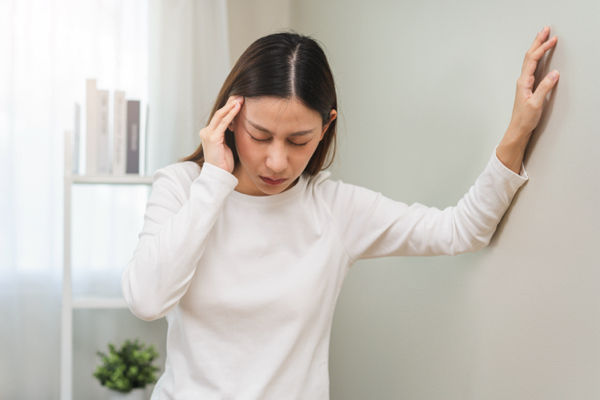
- A new study links migraine with aura to a 73% higher risk of ischemic stroke in middle-aged and older adults.
- Migraines without aura showed no significant increase in stroke risk.
- Men ages 45 to 72 with any type of migraine had more than triple the stroke risk.
- Lead author Dr. Adam S. Sprouse Blum of the University of Vermont says the finding in men must be replicated.
- Managing blood pressure, sleep, stress, smoking, and blood sugar can help lower stroke risk.
For millions of Americans, the zigzag lights and shimmering blind spots of a migraine aura are a familiar, if miserable, prelude to hours of pain. Now, a major new study reveals these nerve-jangling visuals may be far more than a headache harbinger; they could be the body’s own check engine light, flashing a stroke warning.
Researchers tracking more than 11,000 older adults found that those with migraine with aura faced a 73% higher risk of ischemic stroke compared to people without migraine. The kicker: men under 72 with any type of migraine, aura or not, saw their risk skyrocket more than 3.5 times. For that group, the warning light may be blinking whether or not the zigzags ever appear.
Visual aura marks the migraines tied to higher stroke risk
The study, published in Neurology Open Access, pulled from the REGARDS cohort, a long-running national project following Americans age 45 and up. Among the 11,381 participants, who were followed for an average of 6.4 years, those who reported a doctor-diagnosed migraine along with vision changes before their headaches had a markedly higher risk for ischemic stroke—the kind caused by a blood clot blocking an artery.
Crucially, people who suffered migraines without the visual disturbances saw no statistically significant jump in risk. In other words, the aura and not the headache alone seems to be what sets the higher-risk migraines apart. Previous research had flagged young women as the highest-risk group, but this study turns the spotlight on middle-aged and older adults, who have received far less attention.
The plot twist: Men under 72 face more than triple the stroke risk
The most surprising result emerged when researchers drilled into subgroups. Men aged 45 to 72 with any kind of migraine—with or without aura—registered a hazard ratio of 3.67 for ischemic stroke, more than triple the risk of men without migraine. This finding challenges years of research pointing to younger women as the most vulnerable group.
Lead author Dr. Adam S. Sprouse Blum of the University of Vermont urged caution, noting the result came from a subgroup analysis that “needs to be replicated before we accept it as fact.” Still, the numbers are striking enough to raise eyebrows. The researchers suggested that declining testosterone levels in middle-aged men, or the possibility that men receive migraine diagnoses later in life, could be contributing factors. If the pattern holds, the male brain, when prone to migraines, may be more vulnerable to stroke than previously thought.
Everyday habits put you back in the driver’s seat
The study doesn’t doom anyone with aura to a stroke. It shows an association, not a direct cause, and the absolute risk remains modest—just 4.7% of those with aura experienced a stroke during the study period, compared to 3.4% of those without migraine. What the findings do is hand readers a clear checklist. Keeping blood pressure in check, sleeping well, managing stress, quitting smoking, and watching blood sugar and cholesterol are all ways to lower stroke risk. “We should be counseling patients with migraine with aura to identify and treat modifiable risk factors for ischemic stroke, such as hypertension, cigarette smoking, diabetes, and atrial fibrillation,” Dr. Sprouse Blum told Neurology Today.
Researchers are already floating the idea of adding migraine history to stroke risk-scoring tools, the kind of formula that often ends with a new prescription. But for men under 72 especially, this research is a powerful invitation to take the wheel without waiting for a doctor to write a script. The zigzag lights may be scary, but they are also a signal you can act on, starting with habits that cost nothing and come with no side effects.
Sources for this article include:







Please contact us for more information.