


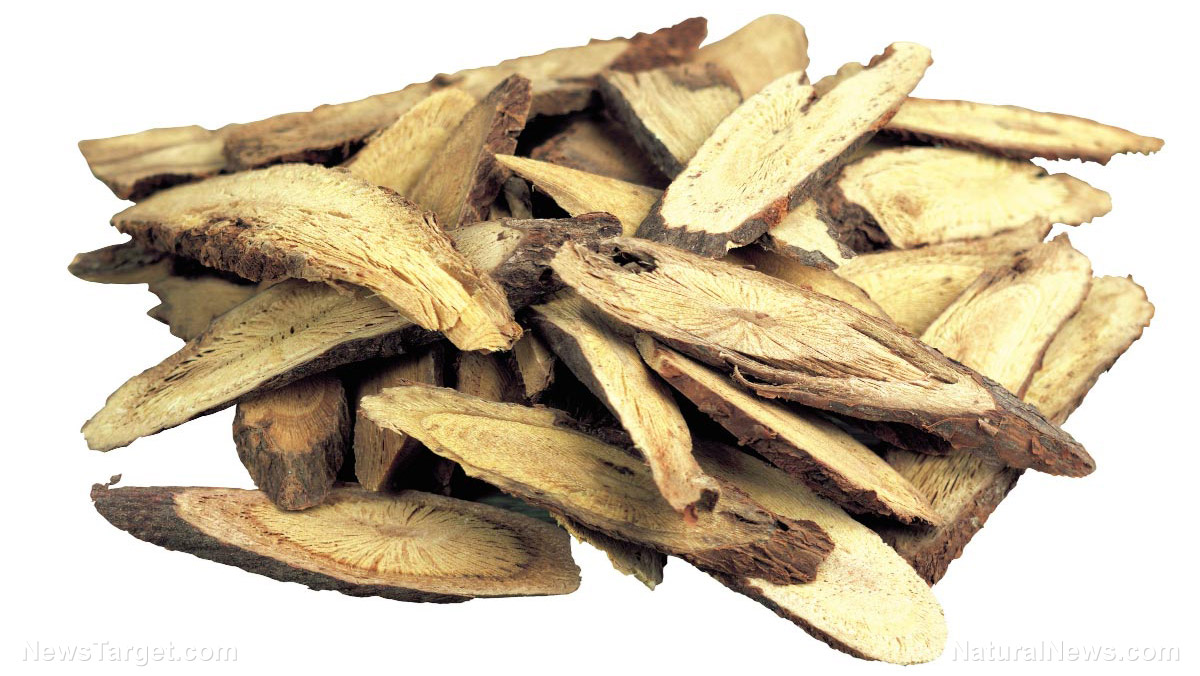
- Licorice (Glycyrrhiza glabra) originates from ancient civilizations in Syria, where it was cultivated and used medicinally. It spread to Greece, Rome and other parts of Europe, and is now grown in temperate regions across West Asia, North Africa and Southern Europe.
- Licorice root contains key compounds like glycyrrhizin, flavonoids, saponins and coumarins. These contribute to its health benefits, including soothing digestive issues, supporting respiratory health, promoting adrenal health and enhancing skin health. However, excessive consumption can lead to side effects such as high blood pressure and water retention, which can be mitigated by using deglycyrrhizinated (DGL) licorice.
- Beyond its medicinal applications, licorice is widely used in culinary traditions, appearing in candies, teas, baked goods and alcoholic beverages. Its sweet and aromatic properties make it a popular ingredient for enhancing flavor in various dishes and drinks.
- Licorice is known by different names across cultures, such as sweet wood in Europe, yashtimadhu in Ayurveda and kan zao in Traditional Chinese Medicine. Each culture has unique uses and beliefs about the plant, reflecting its global importance and versatility.
Licorice (Glycyrrhiza glabra) is a plant with a rich history that spans thousands of years and continents. Its sweet, aromatic root has been revered for both its culinary and medicinal properties, making it a staple in traditional and modern health practices. This article delves into the history, phytonutrients, health benefits and culinary uses of licorice, providing a comprehensive overview of this amazing plant.
A historical journey
The history of licorice can be traced back to ancient civilizations. It is believed that licorice was first discovered and cultivated in the region that is now Syria, where it was used by the Assyrians and Egyptians for its medicinal properties.
The plant's scientific name stems from the Greek words "glykys" (sweet) and "rhiza" (root), aptly describing its sweet flavor. In ancient Greece, Hippocrates, the father of modern medicine, recommended licorice for various ailments, including respiratory issues and digestive disorders.
The Romans, who called it "radix dulcis" (sweet root), used it extensively to soothe sore throats and improve general health. During the Middle Ages, licorice was a popular ingredient in European herbal medicine, and it was even believed to have mystical properties.
Cultivation and distribution
Licorice is a hardy perennial herb that thrives in temperate regions with well-drained soil and ample sunlight. It is primarily grown in West Asia, North Africa and Southern Europe, with significant cultivation areas in countries like Spain, Turkey and China.
The plant reaches a height of about one meter and features pinnate leaves with small, purple or white flowers. The roots, which can grow up to one meter deep, are the most valuable part of the plant – containing the aforementioned sweet compound.
Phytonutrients and health benefits
Licorice root is rich in a variety of phytonutrients, including:
- Glycyrrhizin: The primary sweet-tasting compound, which is 50 times sweeter than sugar.
- Flavonoids: Such as liquiritigenin and isoliquiritigenin, which have antioxidant properties.
- Saponins: Compounds that can help lower cholesterol levels.
- Coumarins: Known for their anticoagulant and anti-inflammatory effects.
These phytonutrients contribute to the plant's numerous health benefits. Licorice has been traditionally used to:
- Soothe digestive issues: It can help alleviate symptoms of acid reflux, ulcers and gastritis by coating the stomach lining and reducing inflammation.
- Support respiratory health: Licorice is effective in reducing coughs, bronchitis and sore throats due to its expectorant and anti-inflammatory properties.
- Promote adrenal health: It can help regulate cortisol levels, making it beneficial for individuals with adrenal fatigue.
- Enhance skin health: Topical application of licorice extract can help reduce skin inflammation and improve the appearance of dark spots.
However, it is important to note that excessive consumption of licorice can lead to side effects, such as high blood pressure and water retention, due to the presence of glycyrrhizin. Deglycyrrhizinated (DGL) licorice is often recommended for long-term use to avoid these side effects.
Culinary and herbal uses
Licorice is not only a medicinal herb but also a versatile ingredient in culinary traditions. It is commonly used in:
- Candies and sweets: Licorice candies, such as black licorice, are popular treats around the world.
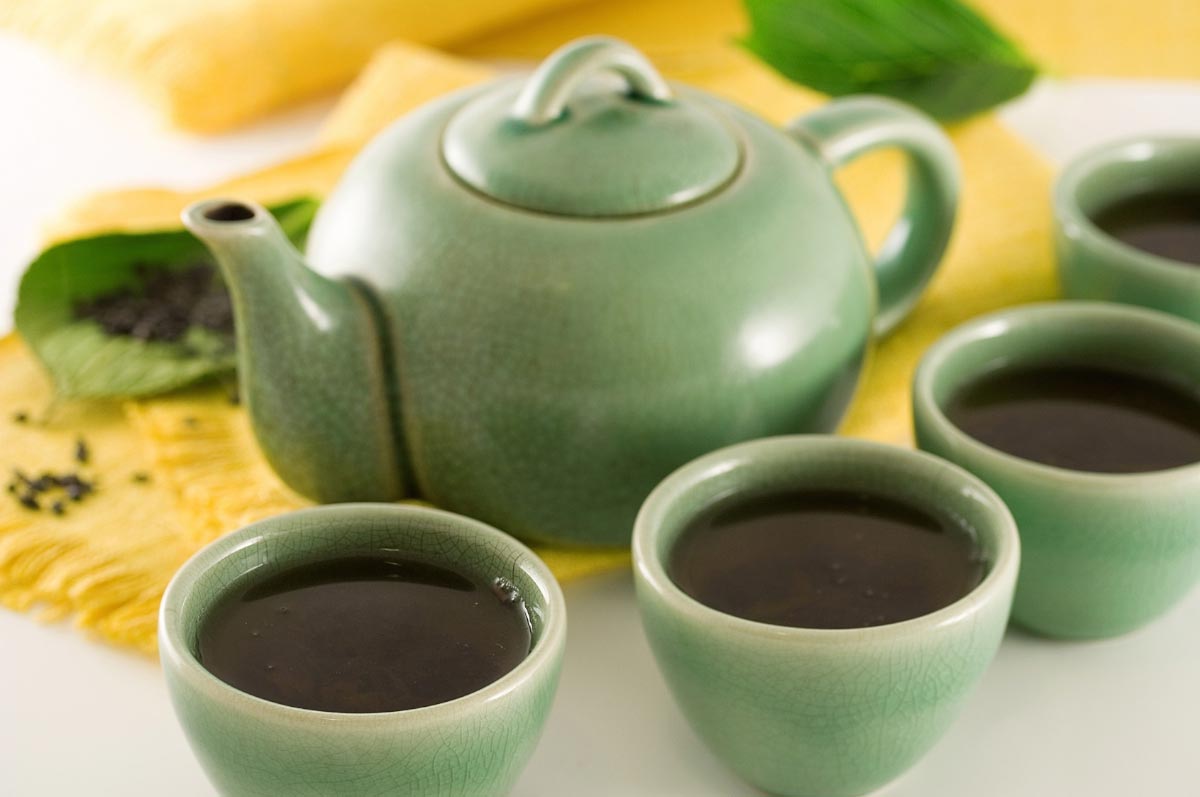
- Teas and infusions: Licorice root tea is a soothing drink that can be enjoyed hot or cold.
- Baked goods: It can be added to cookies, cakes and other desserts to enhance the flavor.
- Alcoholic beverages: Licorice is used to flavor certain spirits, such as anise liqueurs.
For those interested in incorporating licorice into their diet, here are some recipe ideas:
- Licorice root tea: A simple and soothing beverage made by steeping licorice root in hot water.
- Licorice ginger cookies: A delicious baked good that combines the sweetness of licorice with the warmth of ginger.
- Licorice and anise ice cream: A unique and flavorful dessert that offers a delightful twist on traditional ice cream.
- Herbal licorice chicken: A savory dish where licorice root is used to create a rich, aromatic marinade.
- Licorice energy balls: A healthy snack made with dates, nuts and licorice powder, perfect for a quick energy boost.
Common names and cultural significance
Licorice is known by various names across different cultures, including sweet wood in some parts of Europe. Ayurvedic medicine calls it yashtimadhu, while Traditional Chinese Medicine calls it kan zao. Each culture has its own unique uses and beliefs surrounding licorice, reflecting its widespread popularity and versatility.
In the 16th century, a Spanish conquistador named Francisco Pizarro was known to carry licorice root on his expeditions to South America. During a particularly arduous journey, his soldiers faced severe dehydration and fatigue.
Pizarro distributed the licorice root, which not only quenched their thirst due to its natural sweetness but also provided them with energy and relief from their symptoms. This anecdote highlights the plant's historical significance as a natural remedy in times of need.
In conclusion, licorice is a remarkable plant with a long history of use in both culinary and medicinal contexts. Its sweet, aromatic root is not only a delight to the palate but also offers a range of health benefits. Whether enjoyed as a sweet treat, a soothing tea, or a medicinal herb, licorice continues to be a valuable and versatile resource in the world of wellness.
Watch this video about the powerful superfood licorice and its anticancer properties.
This video is from the Natural News channel on Brighteon.com.
Sources include:




Please contact us for more information.