


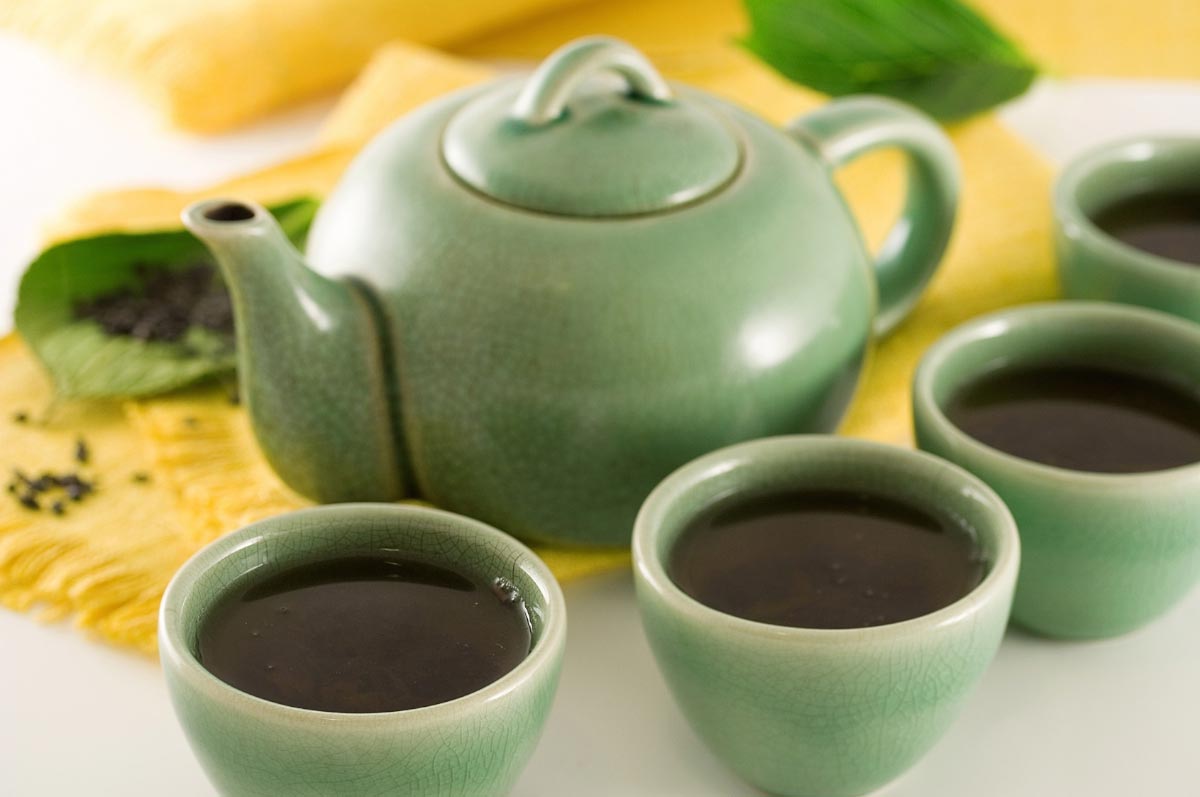
- A study of nearly 486,000 adults in China linked regular tea drinking to an 11% lower risk of vascular disease.
- Black tea showed more consistent links to lower risk than green tea.
- Drinking tea burning hot was tied to a 16% higher risk than not drinking tea regularly.
- Risk was lowest at six to eight cups a day and crept back up at higher amounts.
- Tea drinkers who also exercised and avoided smoking had the lowest risk of all.
For centuries, humanity has sipped tea for comfort, ceremony, and community. Now, a massive new study involving nearly half a million people has answered a question many health-conscious drinkers have asked: Is there actually a “right” way to drink it for your heart? The answer, according to research published this week in the Journal of Internal Medicine, is yes—and the details might surprise you.
Researchers tracking 485,934 adults in China over roughly nine years found that habitual tea drinkers had about an 11% lower risk of vascular disease, a category covering heart attacks, strokes, and other circulatory problems. But here’s where it gets interesting: The study, which tracked 14,863 new cases of vascular disease during the follow-up period, revealed that brew strength, temperature, variety, and quantity all matter. Think of it as a Goldilocks guide to one of the world’s oldest natural remedies.
Black tea outperformed green in reducing vascular risk
If you’ve been reaching for green tea based on decades of health headlines, you might want to reconsider your cabinet. While both types come from the same plant, Camellia sinensis, black tea showed “more consistent inverse associations” with vascular disease than its greener cousin. This finding flips some conventional wisdom on its head, given that green tea has historically dominated the health conversation.
Measured against the range of heart and blood vessel conditions the researchers tracked, black tea came out ahead more reliably. That doesn’t mean green tea is useless, as it was also linked to lower risk. However, for anyone whose top priority is their arteries, black may be the smarter pour.
Moderate strength beats bitter brew, and hot tea carries hidden risk
Here’s where many dedicated steepers might need to change their approach. Tea brewed at moderate strength was tied to lower vascular disease risk than the extra-strong stuff. That prolonged brewing session you’ve been convinced extracts more goodness? It might actually be counterproductive. There’s no need to steep until your mug turns bitter.
Even more striking: Temperature matters dramatically. Those who said they drank their tea “burning hot” had about a 16% higher risk of vascular disease than people who didn’t drink tea regularly at all, while those who took it hot but not scalding saw lower risk. The takeaway is simple but often ignored: give your cup a few minutes to cool before that first sip. Your blood vessels will thank you.
Six to eight cups daily showed the lowest risk, but less still helps
Among people who drank tea at least weekly, the study pinpointed roughly six to eight cups per day as the lowest-risk zone. Americans used to a single morning mug may find that number daunting. But a separate meta-analysis of nearly 2 million people found that around one and a half to two cups daily was also linked to lower mortality risks. You don’t need to become a teahouse regular to benefit. And there is such a thing as too much: Risk crept back up past eight cups, and around 20 cups a day looked no better than drinking none.
The bigger story, however, involves what happens when tea drinking teams up with other habits. Regular tea drinkers who also stayed away from cigarettes and got plenty of exercise had the lowest risk of all, roughly 45% lower than inactive smokers who skipped tea. Tea, in other words, is not a magic bullet. It works best as part of a healthy routine, not a substitute for one.
A cheap, natural habit worth fine-tuning
This study doesn’t prove tea causes better heart health. It’s observational and based on self-reported habits in a Chinese population, but the patterns are consistent and the sample size is staggering. The practical playbook: Favor black tea, skip the overbrewed bitterness, don’t drink it scalding, and make it a daily ritual instead of an afterthought.
Tea has survived thousands of years for good reason. It’s cheap, accessible, and packed with flavonoids that research suggests help blood vessels relax, keep arteries more flexible, and support healthy blood pressure. There’s also a quiet lesson buried in the findings. The biggest gains went to people who paired the habit with exercise and stayed off cigarettes, and even the tea itself seems to work best when you slow down and let it cool. In a culture that wants everything stronger, faster and hotter, the healthiest cup may be the one you’re willing to wait for.
Sources for this article include:









Please contact us for more information.