


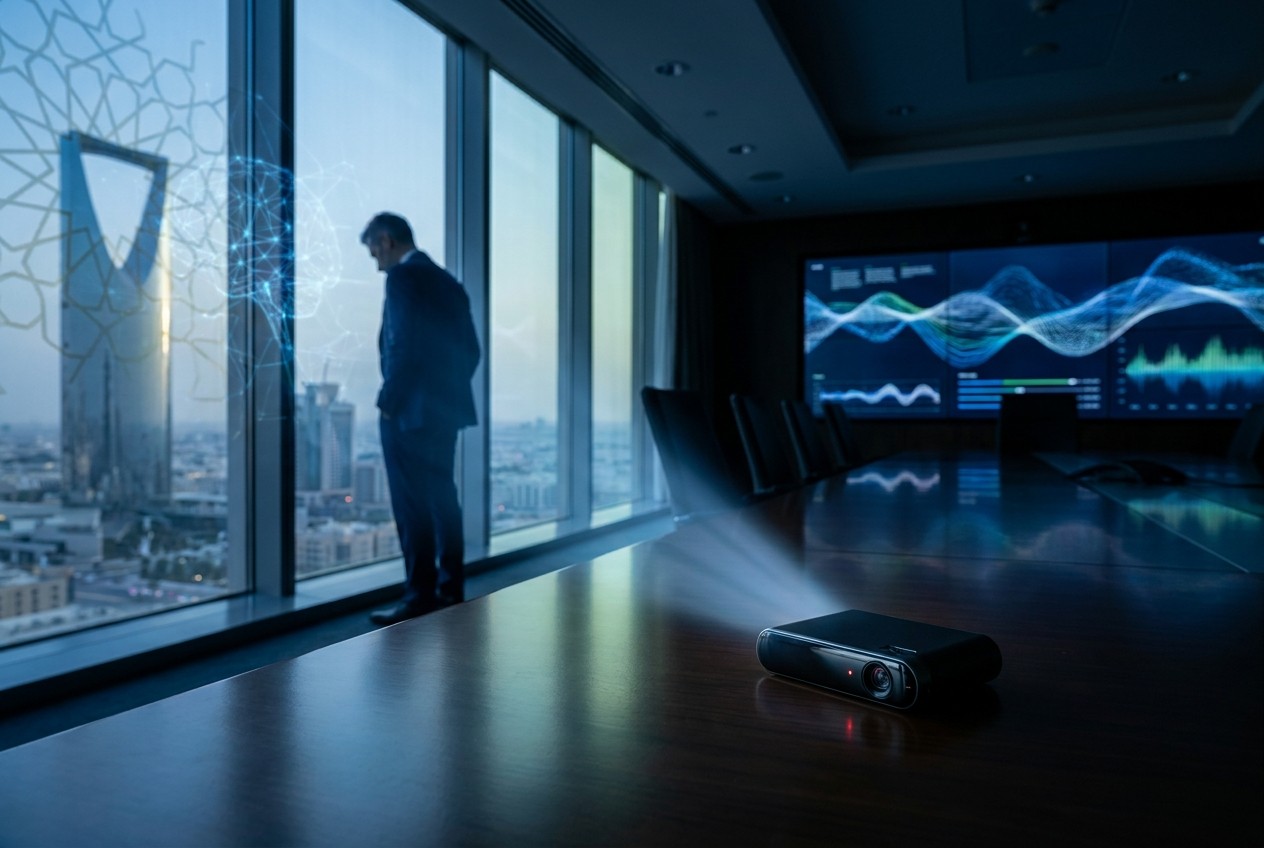
A federal magistrate judge on Monday, Oct. 19, ordered a former OpenAI engineer accused of planting covert recording devices in the company's San Francisco offices to remain in custody pending trial, according to court records and Business Insider.
Abdulrahman Alfozan, a Saudi national and U.S. permanent legal resident, was arrested on Oct. 9, 2026 – days before a scheduled one-way flight to Riyadh, the Department of Justice said [1].
The government's detention motion, filed Sunday by U.S. attorney Craig Missakian, argued that Alfozan poses a flight risk given his resources, his Saudi bank accounts and what prosecutors described as the Saudi government's willingness to assist him. Magistrate Judge Alex G. Tse of the U.S. District Court for the Northern District of California sided with the government Monday, ordering Alfozan's continued detention.
FBI Alleges Covert Recording Devices and Saudi Contacts
The filing alleges Alfozan planted at least one concealed recording device in a conference room where OpenAI executives met with U.S. government officials. OpenAI discovered the thumb-sized device connected to a USB port behind a television in its San Francisco executive meeting room, according to Middle East Eye [2].
Logs showed Alfozan used an OpenAI productivity agent to identify which conference rooms might be best exploited for recording, and used his wife's ChatGPT account to research modifying covert devices for auto-recording and remote access, officials said.
WhatsApp logs on his phone showed communications with a member of the Saudi royal family dating to 2025 and continuing to Oct. 5, according to the filing. The Federal Bureau of Investigation (FBI) found a folder labeled "Saudi Gov Docs" on his iPhone shortly before his arrest, according to the filing. On Oct. 4, Alfozan accessed the "Saudi Gov Docs" folder, the FBI found.
Prosecutors Call Defendant a Flight Risk
After Alfozan's arrest, his wife and son booked an earlier flight and left the U.S. without him, the filing stated. The filing cited Alfozan's decade of high-tech employment in the Bay Area, at least two bank accounts in Saudi Arabia and ample resources as evidence of flight risk.
The government referenced a prior case involving former Twitter employees charged with spying for Saudi Arabia, noting that one defendant, Ali Alzabarah, left on a next-day flight coordinated by a Saudi foreign official shortly after Twitter confronted him.
Government Cites National Security and Possible Additional Charges
Alfozan faces a maximum sentence of five years for illegally recording OpenAI meetings, the government said. The filing stated that more serious charges may be raised as evidence mounts.
The government argued that whether Alfozan acted for personal business gain, to aid a foreign government, or both, his conduct is criminal and poses a danger to U.S. national security. The U.S. said Alfozan went to significant lengths to create customized, encrypted recording devices to secretly record sensitive meetings.
OpenAI and Saudi AI Push Form Backdrop
Saudi Arabia has dedicated the year to advancing AI through an effort called Vision 2030, according to the filing and public statements. OpenAI and the U.S. government are both aware of the initiative, the filing noted. The FBI said it was particularly concerned by the WhatsApp logs because of Riyadh's AI ambitions and U.S. government sensitivity about frontier labs.
The backdrop of the case is a broader debate over the concentration of AI capabilities in a few companies. Meta CEO Mark Zuckerberg published an op-ed in the Wall Street Journal arguing against the concentration of AI capabilities in a few companies and opposing potential U.S. bans on Chinese AI models [3].
Detention Order and Next Steps
The U.S. did not make public the contents of the "Saudi Gov Docs" folder. Alfozan refused to speak with the FBI after his arrest and requested his attorney, the filing said. The case remains pending. Alfozan is next scheduled to appear in federal court on Oct. 19, 2026, for a detention hearing, the DOJ announced [1].
References
- Justice Department Says Saudi National OpenAI Employee Arrested For Allegedly Installing “Surreptitious Audio Recording Device” At Company Headquarters. https://100percentfedup.com/justice-department-says-saudi-national-openai-employee-arrested/?utm_source=rss&utm_medium=rss&utm_campaign=justice-department-says-saudi-national-openai-employee-arrested
- FBI arrests Saudi OpenAI engineer over hidden recording device. https://www.middleeasteye.net/news/fbi-arrests-saudi-openai-engineer-over-hidden-recording-device
- Zuckerberg Opposes AI Centralization, Urges Open Access Over Restrictions - NaturalNews.com, July 31, 2026.






Please contact us for more information.