


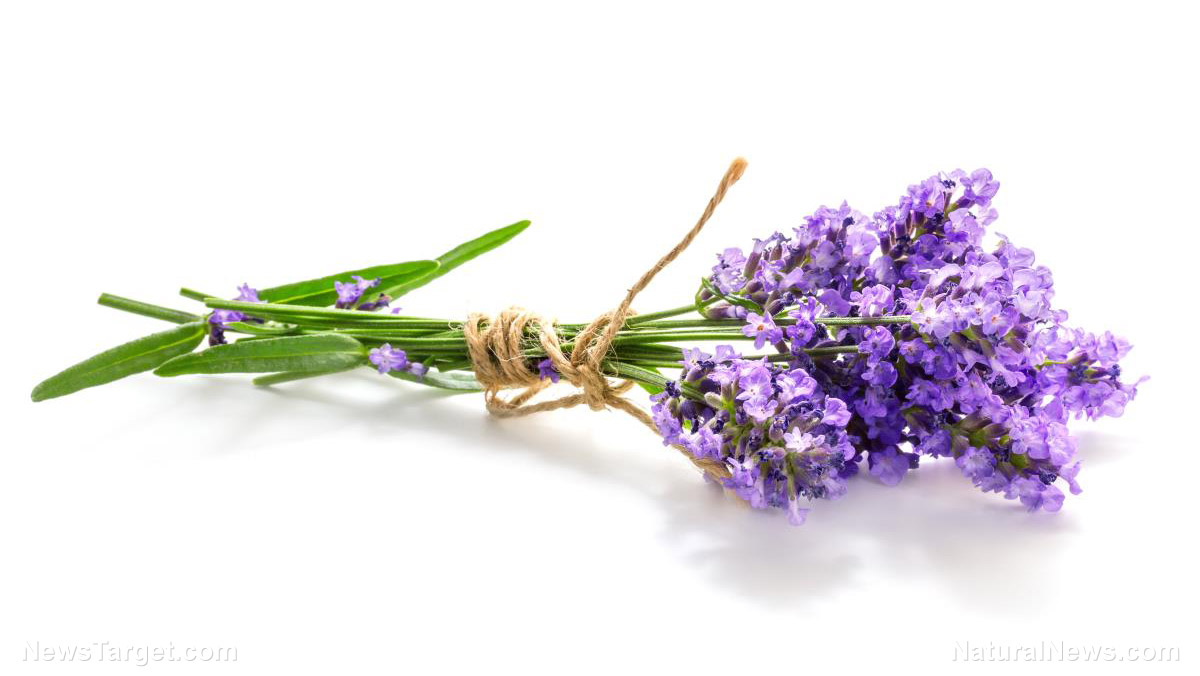
- Lavender (Lavandula angustifolia) is a fragrant Mediterranean plant in the Lamiaceae family. It is celebrated for its beauty, soothing aroma and versatile uses in herbal medicine, culinary arts and wellness practices.
- Lavender contains essential oils, flavonoids and tannins – offering anti-inflammatory, antimicrobial and calming properties. It is used to treat anxiety, insomnia, skin conditions, pain and digestive issues, and to boost immunity.
- It reduces anxiety and stress by lowering cortisol levels and promoting relaxation; improves skin health by soothing irritation, treating acne and combating oxidative stress; alleviates pain, including headaches and muscle soreness, through topical application or aromatherapy; supports digestion by relaxing gastrointestinal muscles and easing discomfort; and enhances immunity with its antimicrobial properties, protecting against infections.
- Lavender's floral, slightly bitter flavor enhances both sweet and savory dishes, such as lavender honey-glazed salmon, shortbread cookies, lemonade, infused olive oil and creme brulee.
- Lavender has a rich history, from ancient Roman baths to medieval herbal remedies. Queen Elizabeth I popularized its use in 16th-century England for migraines and indigestion. Its timeless appeal continues to make it a staple in wellness and daily routines.
Lavender (Lavandula angustifolia) is a fragrant flowering plant that has captivated humanity for centuries. Native to the Mediterranean region, this herbaceous perennial belongs to the Lamiaceae family, which also includes mint, rosemary and basil.
Known by a variety of names – true lavender, English lavender, garden lavender and narrow-leaved lavender—this plant is as versatile as it is beautiful. With its delicate purple blooms, soothing aroma and myriad health benefits, lavender has earned its place as a cornerstone of herbal medicine, culinary arts and wellness practices.
A plant of many talents: Healing properties of lavender
Lavender is more than just a pretty flower; it is a powerhouse of therapeutic compounds. The plant contains essential oils, flavonoids and tannins, which contribute to its anti-inflammatory, antimicrobial and calming properties.
Historically, lavender has been used to treat a wide range of ailments, from anxiety and insomnia to skin irritations and digestive issues. Modern research continues to validate many of these traditional uses, making lavender a staple in both natural and conventional medicine.
- Anxiety and stress relief: One of lavender's most well-documented benefits is its ability to alleviate anxiety and stress. The scent of lavender has been shown to reduce cortisol levels, the hormone associated with stress. Studies suggest that inhaling lavender essential oil or drinking lavender tea can promote relaxation and improve mood. For those struggling with insomnia, lavender’s sedative properties can help induce restful sleep.
- Skin health: Lavender's antimicrobial and anti-inflammatory properties make it an excellent remedy for skin conditions such as acne, eczema, and minor burns. Its essential oil can be diluted and applied topically to soothe irritation and promote healing. Additionally, lavender's antioxidants help combat oxidative stress, which can slow the aging process and improve skin elasticity.
- Pain relief: Lavender has been used for centuries to alleviate pain, particularly headaches and muscle soreness. Massaging lavender oil into the temples can help relieve tension headaches, while adding a few drops to a warm bath can ease muscle aches and joint pain.
- Digestive support: Lavender tea is a gentle remedy for digestive discomfort, including bloating, gas and indigestion. Its antispasmodic properties help relax the muscles of the gastrointestinal tract, promoting smoother digestion.
- Immune boost: The antimicrobial properties of lavender make it a natural ally in fighting infections. Whether used in a diffuser to purify the air or applied topically to wounds, lavender can help protect against harmful bacteria and viruses.
The sensory experience: Color, shape and taste
L. angustifolia is a feast for the senses. Its slender, silvery-green leaves and vibrant purple flowers create a striking visual contrast. The flowers grow in whorls along tall spikes, giving the plant a distinctive, elegant appearance. When crushed, the leaves and flowers release a sweet, floral aroma with hints of rosemary and mint.
In terms of taste, lavender is equally intriguing. Its flavor is floral and slightly bitter, with a subtle sweetness that pairs well with both sweet and savory dishes. However, its potency means that a little goes a long way – overuse can result in a soapy or overpowering taste.
Culinary adventures with lavender
Lavender's unique flavor profile has made it a popular ingredient in gourmet cooking. From desserts to main courses, this herb adds a touch of sophistication to any dish. Here are a few recipe ideas that showcase lavender's versatility:
- Lavender honey glazed salmon – A savory dish that combines the floral notes of lavender with the richness of honey and salmon.
- Lavender shortbread cookies – A classic treat with a fragrant twist.
- Lavender lemonade – A refreshing summer drink that balances tartness with floral sweetness.
- Lavender-infused olive oil – Perfect for drizzling over salads or dipping bread.
- Lavender creme brulee – A decadent dessert that elevates the traditional recipe with a hint of lavender.
Anecdotes and cultural significance
Lavender's history is as rich as its aroma. The ancient Romans used lavender to scent their baths, a practice that gave the plant its name – derived from the Latin word lavare, meaning "to wash." In medieval Europe, lavender was a key ingredient in herbal remedies and was often hung in homes to ward off illness and evil spirits.
One charming anecdote comes from Queen Elizabeth I of England, who was said to be particularly fond of lavender. She reportedly drank lavender tea to alleviate her migraines and used lavender conserves as a remedy for indigestion. Her love for the herb helped popularize its use in England during the 16th century.
L. angustifolia is a true gift from nature, offering a wealth of benefits for the mind, body and soul. Whether used as a calming tea, a soothing essential oil or a culinary delight, lavender continues to enchant and heal. Its timeless appeal and proven therapeutic properties make it a must-have in any wellness toolkit.
Incorporating lavender into your daily routine can be a simple yet profound way to enhance your well-being. Whether you're sipping a cup of lavender tea, enjoying a lavender-infused meal or simply inhaling its calming scent, this Mediterranean marvel is sure to leave you feeling refreshed and revitalized.
Watch this clip about the benefits of lavender.
This video is from the Holistic Herbalist channel on Brighteon.com.
Sources include:












Please contact us for more information.