


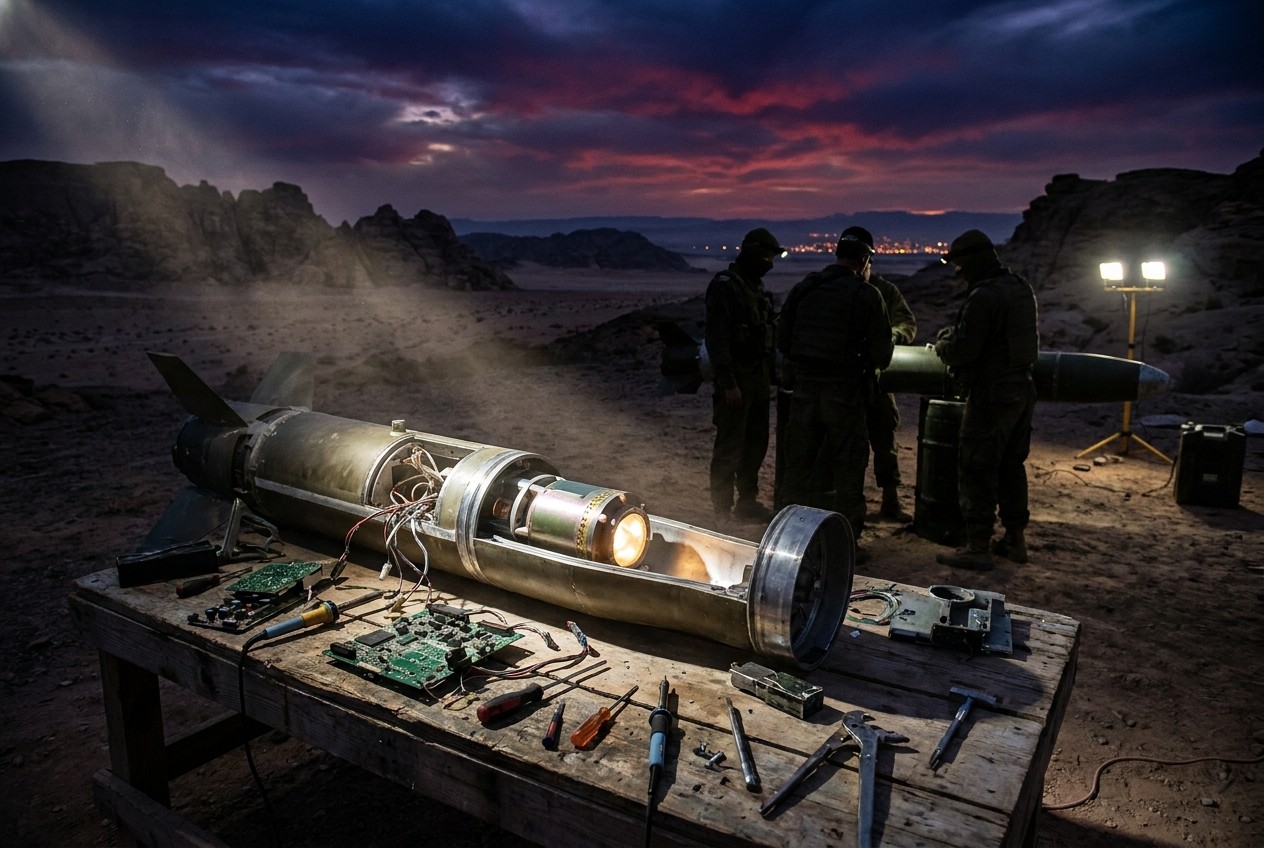
The Houthis – formally the Ansar Allah movement – are now building advanced missiles that can reach Israel, with the help of parts sourced from China, according to a report by Conflict Armament Research (CAR). [1]
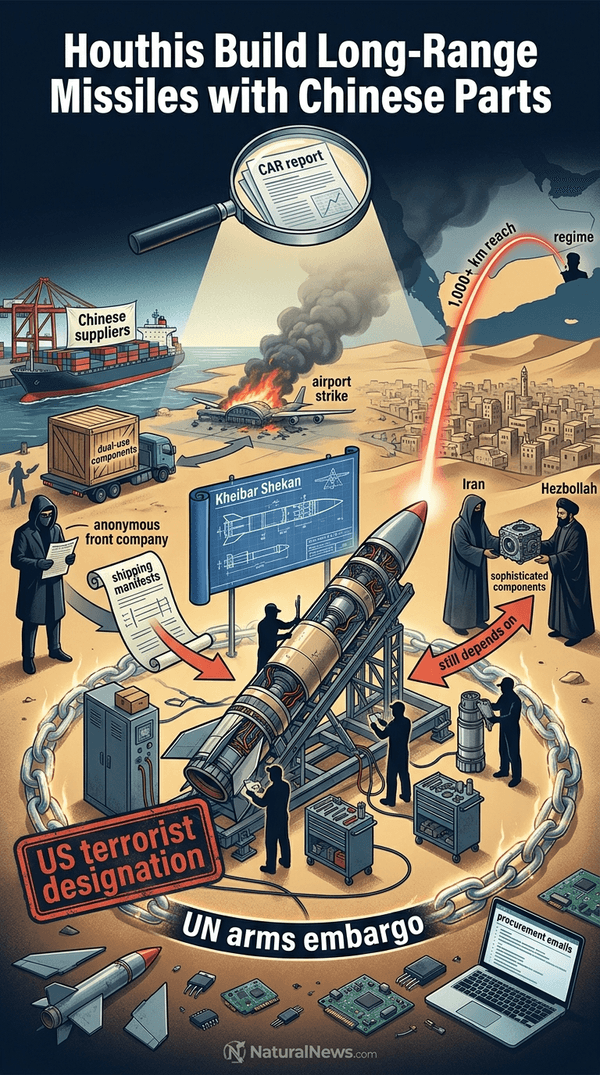
The components flagged inside Houthi-controlled territory include parts that would allow the group to replicate Iran's Kheibar Shekan precision-guided missile, the report stated. [1]
Intercepted Shipments Revealed Missile Components
Components from Chinese suppliers have been flagged within Houthi territory in Yemen and include parts that would allow the terror group to build advanced missiles, according to the CAR report. According to the Wall Street Journal, shipping manifests tied these materials to an anonymous Chinese firm [3].
The Houthis acquired vital components to recreate Iran's Kheibar Shekan weapon [3]. The shipments were bound for the rebel group, investigators said.
Chinese Suppliers and UN Arms Embargo Concerns
The Houthis operate under a United Nations arms embargo and are designated as a terrorist organization by the United States [4][5]. Washington accused Chinese companies last year of helping the Houthis stage attacks on American ships in the Red Sea. Beijing has previously stated that it is abiding by the UN ban on arms sales to the Houthi group.
Yemen experts believe the Houthis still rely on Iran for more sophisticated components needed to manufacture guided weapons, according to reporting on the new findings [6]. That assessment suggests the rebel group's domestic production effort remains incomplete even as it pursues a longer-range system.
Analyst: Houthis May Already Be Manufacturing Missiles
The intelligence described in the report shows how much autonomy the Houthis have gained after decades of relying on Iran and its Lebanese ally Hezbollah for weapons and material. It also demonstrates how the rebel group has expanded its links with Chinese suppliers in recent years [4][3].
The findings arrive amid a wider regional war. A second strike hit the same airport the following day, causing a fire in a passenger hall, a Saudi military spokesman said [7].
Regional Implications and Ongoing Conflict
Such a capability would mark a technological advance for a group that has relied on imported systems. Saudi Energy Minister Prince Abdulaziz bin Salman, vowed a "serious" response to the deadly attacks on the kingdom's airports and oil and gas facilities,
"The events of recent weeks are serious," bin Salman told the World Petroleum Council Energy Congress in the kingdom's capital Riyadh. "Our response must be equally serious" [8].
The report did not provide independent verification of missile production, and Beijing has denied violating the UN arms ban. The findings rest on components recovered from intercepted shipments and supply-chain analysis rather than on observed production lines.
References
- Houthis are building advanced missiles with Chinese parts. https://nypost.com/2026/10/14/world-news/houthis-are-building-advanced-missiles-with-chinese-parts-report/
- Houthis build advanced missiles using Chinese parts | Israel Hayom. https://www.israelhayom.com/2026/10/14/houthis-build-missiles-chinese-parts/
- The Houthis Are Building an Advanced Missile With .... https://www.wsj.com/world/middle-east/houthi-missile-china-parts-5c2b2516
- Houthis Building Missiles With Chinese Parts, Can Target .... https://www.ndtv.com/world-news/houthis-building-missiles-with-chinese-parts-israel-saudi-in-range-report-12186848
- Yemen's Houthis seek Chinese supplies to expand missile .... https://apnews.com/article/yemen-houthis-missile-technology-china-parts-iran-2ad930f312484954bcc21cca7e94e571
- Saudi Arabia's Riyadh airport hit by second Houthi strike in two days. https://bbc.com/news/articles/cr93znyk44e1o
- Saudi minister vows 'serious response' to Houthi attacks on airports. https://bbc.com/news/articles/cjly0zqq27e4o
Explainer Infographic





Please contact us for more information.