


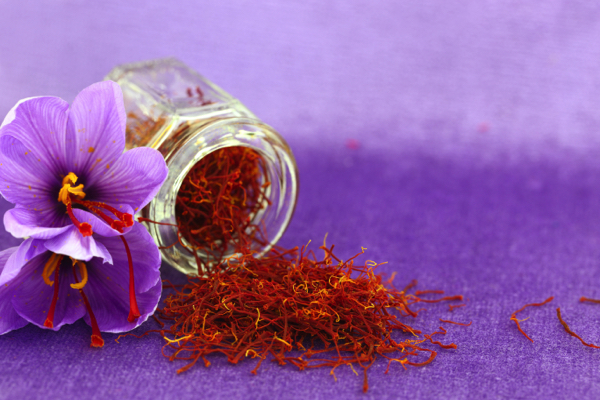
- Saffron has a rich history dating back over 3,500 years, originating in ancient Mesopotamia and later spreading to the Mediterranean. It was used in ancient Egypt, Greece and Rome for medicinal, culinary and cosmetic purposes. Iran is now the largest producer, contributing over 90 percent of the world's saffron.
- Saffron contains bioactive compounds like crocin, crocetin and safranal, offering antioxidant, anti-inflammatory and neuroprotective properties. It has been shown to improve mental health (e.g., depression and anxiety), enhance vision, support heart health, potentially prevent cancer and aid digestive health.
- Saffron is a versatile spice used in dishes like paella, risotto and biryani, adding a unique earthy, floral flavor. It is also consumed as a tea or infusion for relaxation, sleep improvement and immunity boosting, and is available in supplement form.
- Saffron is known globally by various names (e.g., Za'feran, Kesar, Azafrán) and is valued for its vibrant golden color, delicate aroma and complex flavor. It has been used as a natural dye and is associated with luxury and beauty across cultures.
- Saffron continues to inspire culinary creativity and wellness practices worldwide. Its labor-intensive harvesting process contributes to its high cost, but its enduring appeal lies in its ability to blend history, culture and health benefits into a single "golden spice."
Derived from the delicate stigmas of Crocus sativus, saffron is a spice that has captivated humanity for millennia. Known as the "golden spice" for its vibrant hue and exorbitant cost, saffron is not only a culinary treasure but also a potent medicinal herb. This article delves into the rich history, health benefits and cultural significance of saffron, offering a comprehensive look at why this spice has been revered across civilizations.
A historical journey: The origins of saffron
Saffron's history is as rich and colorful as its threads. The use of saffron dates back over 3,500 years, with its origins traced to ancient Mesopotamia and later to the Mediterranean region. The earliest documented use of saffron comes from a 7th-century B.C. Assyrian botanical reference, where it was described as a remedy for over 90 ailments. Ancient Egyptians used saffron in perfumes and as a dye, while Greek and Roman cultures prized it for its medicinal properties and as a luxurious spice.
The cultivation of saffron spread across the globe, with Iran emerging as the epicenter of production. Today, Iran produces over 90 percent of the world's saffron, followed by countries like India, Spain and Greece. The labor-intensive process of harvesting saffron – plucking the delicate stigmas by hand and drying them – contributes to its status as one of the most expensive spices in the world.
Phytonutrients and health benefits
Saffron is a powerhouse of bioactive compounds, including carotenoids like crocin and crocetin, safranal and picrocrocin. These phytonutrients are responsible for saffron's vibrant color, distinctive aroma and numerous health benefits. Research has shown that saffron possesses antioxidant, anti-inflammatory and neuroprotective properties, making it a valuable addition to a wellness-focused diet.
- Mood and mental health: Saffron has been studied for its potential to alleviate symptoms of depression and anxiety. Clinical trials suggest that saffron may increase serotonin levels in the brain, offering a natural alternative to conventional antidepressants. A 2013 study published in the Journal of Integrative Medicine found that saffron was as effective as fluoxetine (Prozac) in treating mild to moderate depression.
- Vision and eye health: The carotenoids in saffron, particularly crocin, have been shown to improve retinal function and protect against age-related macular degeneration. A 2018 study in Nutrients highlighted saffron's ability to enhance visual acuity and contrast sensitivity in patients with early-stage macular degeneration.
- Heart health: Saffron's antioxidant properties help reduce oxidative stress and inflammation, both of which are linked to cardiovascular diseases. Studies indicate that saffron can lower cholesterol levels and improve blood circulation, reducing the risk of heart disease.
- Cancer prevention: Preliminary research suggests that saffron may inhibit the growth of cancer cells and induce apoptosis (programmed cell death). Its antioxidant properties also help protect cells from DNA damage, a key factor in cancer development.
- Digestive health: Traditionally, saffron has been used to soothe digestive issues such as bloating, indigestion and gastritis. Its anti-inflammatory properties can help calm the gastrointestinal tract.
Culinary and medicinal uses of saffron
Saffron's versatility extends beyond its medicinal applications. In the kitchen, it is a prized ingredient in dishes ranging from paella and risotto, to biryani and bouillabaisse. Its unique flavor profile – earthy, slightly sweet and floral – adds depth and complexity to both savory and sweet recipes. A pinch of saffron can transform a simple dish into a gourmet experience.
As a healing herb, saffron is often consumed as a tea or infusion. To prepare saffron tea, steep a few threads in hot water for 10 to 15 minutes. This soothing beverage is believed to promote relaxation, improve sleep quality and boost immunity. Saffron is also available in supplement form, though it is essential to consult a healthcare provider before starting any new regimen.
The aesthetics of saffron: Color, shape and taste
Saffron threads are slender, crimson strands with a golden-yellow tip, resembling delicate filaments. When infused in liquid, they release a rich, golden hue that has been used as a natural dye for centuries. The taste of saffron is complex, with a subtle bitterness balanced by a honey-like sweetness and a floral aroma. Its flavor is best described as a harmonious blend of earthiness and sophistication.
Saffron is known by various names across cultures, reflecting its global appeal. In Persian, it is called za'feran, while in Arabic, it is known as zafaran. In India, it is referred to as kesar, and in Spanish, it is called azafran. These names underscore saffron's universal recognition as a symbol of luxury, health and culinary excellence.
Here are some dishes to try out using this spice:
- Saffron risotto milanese: A classic Italian dish where saffron infuses the creamy rice with its golden color and delicate flavor.
- Persian saffron rice: A fragrant rice dish with a crispy bottom layer, enhanced by saffron's aroma.
- Saffron-infused paella: A Spanish staple that combines seafood, chorizo and saffron for a vibrant and flavorful meal.
- Saffron and cardamom milk: A soothing Indian beverage, perfect for relaxation and digestion.
- Saffron honey cake: A sweet treat that showcases saffron's floral notes in a moist, golden cake.
Saffron has inspired countless legends and anecdotes throughout history. In ancient Greece, saffron was associated with the god Hermes, who was said to have used it to heal his wounds. Cleopatra reportedly bathed in saffron-infused milk to enhance her beauty. In medieval Europe, saffron was so valuable that it was used as currency, and its theft was punishable by death.
Saffron is more than just a spice; it is a testament to the intersection of history, culturenand wellness. Its vibrant color, unique flavor and myriad health benefits make it a true superfood. Whether used in a gourmet dish or as a healing herb, saffron continues to enchant and nourish those who embrace its golden magic.
Watch this video that explains how saffron addresses depression, anxiety and mood.
This video is from the Holistic Herbalist channel on Brighteon.com.
Sources include:





Please contact us for more information.