


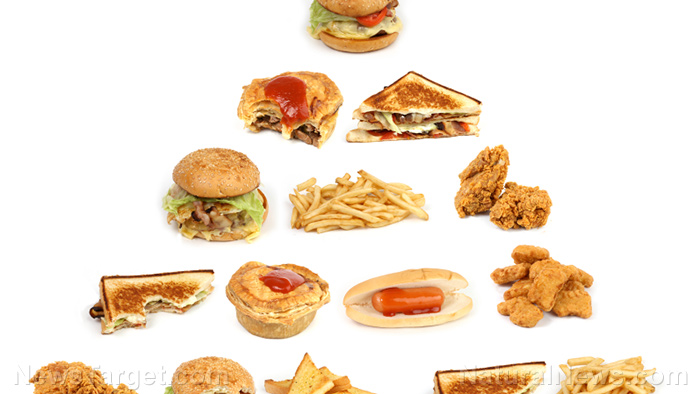
- The primary obstacle to healthy, sustainable diets is not protein choice, but the overconsumption of nutritionally empty "discretionary" foods like snacks, sweets and sugary drinks, which command a large share of household budgets.
- These discretionary foods are major, often overlooked, drivers of both environmental harm and poor health, contributing significantly to climate impact and providing excessive calories and sugar while offering little nutritional value.
- Shifting dietary focus from just protein sources to reducing processed indulgences offers a dual benefit—it simultaneously improves public health outcomes and reduces environmental footprints more effectively.
- The financial barrier to choosing plant-based proteins is minimal, as the study found the cost of protein per calorie was similar across dietary preferences, debunking the myth that healthier proteins are inherently more expensive.
- Achieving meaningful change requires systemic action, not just individual willpower, including transforming the food environment through policy, product reformulation and updated guidelines to make healthier choices easier and more accessible.
In a stark revelation that challenges the conventional narrative of dietary reform, a comprehensive study from Finland has uncovered that the pursuit of healthier, lower-impact diets requires a far broader focus than simply swapping steak for soy. The research, published in the journal npj Science of Food, reveals that a staggering one-fifth of every food dollar spent by Finnish households goes to nutritionally empty "discretionary" junk foods—a category that is a silent powerhouse of environmental harm and poor health, regardless of whether a family prefers meat or plants.
This finding, based on the real-world grocery purchases of nearly 30,000 consumers, delivers a crucial and often ignored truth: the path to wellness and sustainability is paved not by protein dogma alone, but by confronting the ubiquitous, processed indulgence foods that dominate modern pantries.
The discretionary food behemoth
The joint investigation by Finnish universities leveraged loyalty card records to analyze the actual shopping baskets of tens of thousands of households. They categorized consumers by preferred protein source—red meat, poultry, fish or plants—and dissected their purchases.
The most striking finding across all groups was the colossal share of the budget commanded by discretionary foods: confectionery, baked goods, snacks, sugary drinks, alcohol and similar items of low nutritional necessity. Regardless of dietary identity, roughly 20 cents of every euro spent funded these products.
Environmental impact: The sneaky footprint of snacks
This financial dominance translates to a major environmental burden. On average, discretionary items were responsible for over one-fifth of the climate impact of total food purchases, plus significant contributions to water pollution and land/water use. While a single candy bar has a small footprint, the collective impact is massive due to sheer consumption volume. This pattern, observed in other affluent nations, is a widespread feature of modern food systems.
Lead researcher Jelena Meinilä argues this demands a fundamental shift. The relentless focus on reducing animal-based foods has allowed the discretionary food sector to escape proportionate scrutiny. Cutting consumption of these items delivers a dual benefit: slashing environmental impacts while improving public health. The study found these foods contributed almost 20% of total calories and a shocking 60% of all added sugar in the shopping baskets.
The protein price myth debunked
The research also dismantled the idea that plant-based or fish proteins are inherently more expensive. When analyzed per dietary energy, money spent on protein was remarkably consistent. Households preferring red meat spent about €1.60 per 2,500 calories on protein; plant-preferring households spent €1.50. The financial barrier to dietary shift is minimal, constrained more by preference, habit and accessibility than price.
The study provided a nuanced nutritional comparison. Plant-preferring households bought more fiber, folate and iron and less saturated fat and salt. However, they also showed lower levels of vitamins B12 and D—nutrients that must be consciously addressed in any broad shift. The highest levels of these vitamins were found in the baskets of those who preferred fish.
The imperative for systemic change
The critical conclusion is that responsibility cannot rest solely on the individual consumer. Achieving population-level improvements requires transforming the food environment itself through product reformulation, strategic store layouts and supportive pricing. Updated nutrition recommendations provide a scientific foundation for this necessary overhaul of both supply and demand.
This matters because it highlights a central paradox. For millennia, human dietary concerns were dominated by scarcity. Modern abundance has birthed a new crisis: the epidemic of overconsumption of cheap, palatable, calorie-dense and nutrient-poor foods. The Finnish study quantifies the economic and ecological cost. We have transitioned from a struggle against hunger to a struggle against the consequences of our own dietary abundance.
A more honest plate
"Junk food is a slang term for fare that is typically high in calories, salt, sugar, fat and additives, while being low in nutritional value like fiber, vitamins and minerals," said BrightU.AI's Enoch. "This lack of nutrients leads to it being described as providing 'empty calories'. Both fast food and processed foods are common examples of this category."
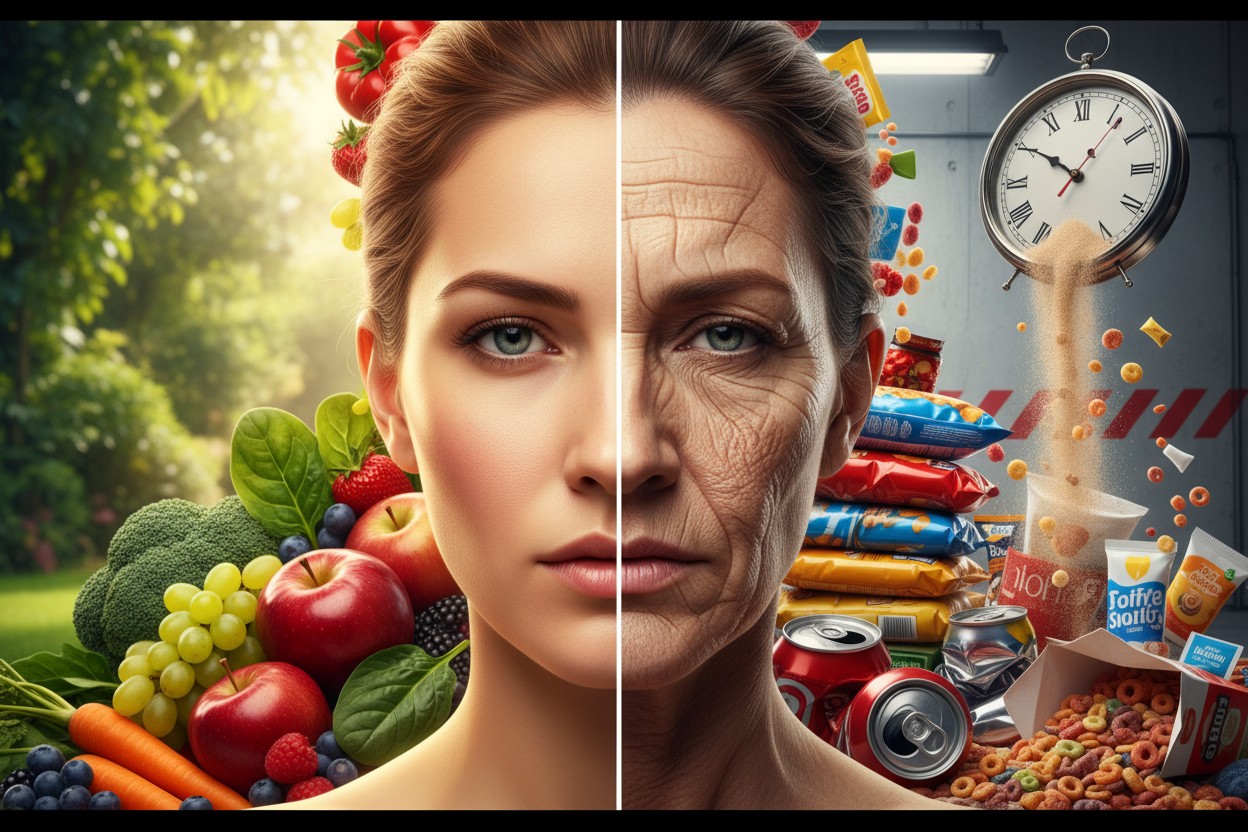
The Finnish study serves as a vital corrective. It reveals that a family serving plant-based burgers with sugary drinks and processed desserts may be making a less meaningful dent in their footprint than assumed. The path forward is more complex than a simple protein swap. It requires a holistic view, recognizing that snacks, sweets and drinks are central drivers of chronic disease and environmental degradation. True dietary reform must find the courage to address all contributors and build a food environment that makes the truly better choice the inevitable one.
Watch as and learn about food choices from the book "Generation XL: Raising Healthy, Intelligent Kids in a High-Tech, Junk-Food World" by Joseph Mercola and Ben Lerner.
This video is from the BrightLearn channel on Brighteon.com.
Sources include:











Please contact us for more information.