


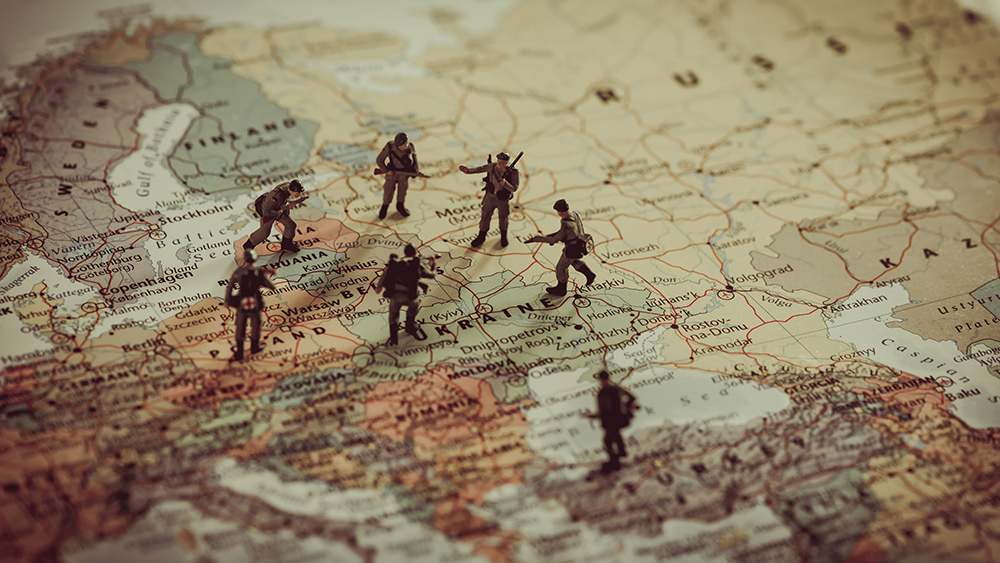
- Russia says its troops destroyed at least 10 Ukrainian supply robots in the Kharkov region this past week.
- A Russian officer also claims more than 110 Ukrainian drones were destroyed as Russian forces tighten an encirclement.
- Ukraine says Russian strikes hit power plants in Kyiv and Kharkov after Trump announced an energy ceasefire.
- Washington is reportedly threatening to cut off a European-funded weapons program over Ukrainian strikes on Russian refineries.
- Trump’s Russian diesel deal and call for a new Ukrainian president have strained ties with Kyiv and its European allies.
Russia says its troops are tightening their encirclement around Ukrainian forces in the Kharkov region and destroying the unmanned ground robots Ukraine uses to resupply frontline positions. Speaking to Sputnik, a strike drone platoon commander with Russia’s Sever battlegroup said his troops have destroyed at least 10 Ukrainian ground robots in the area over the past week. Meanwhile, Ukraine says Russian strikes hit power plants on Sunday, after President Trump announced an “energy ceasefire” that Russia has not confirmed.
Russia claims it destroyed Ukrainian supply robots and more than 110 drones
Ukrainian forces rely on robotic systems to transport ammunition and food to troops at remote frontline positions, the commander said. “By eliminating the enemy’s delivery capabilities, we prevent them from providing their units with everything they need,” he added. Beyond the robots, another Sever officer told Sputnik that Russian forces have destroyed more than 110 Ukrainian multirotor drones in recent weeks, which he said hampers Ukrainian reconnaissance and artillery targeting.
On October 10, the Russian Defense Ministry said its forces had taken control of the settlements of Lukashovo and Lobanovka within the encirclement, and that trapped Ukrainian units lost as many as 45 troops and three ground robots in a single day.
Power plants hit after Trump’s energy ceasefire announcement
On Sunday, Zelensky said, a drone strike hit a power plant in Kyiv, triggering outages in the capital, while a separate attack struck the CHP-5 power plant in Kharkov, a city hit repeatedly in recent days. Ukrainian officials said six people died in Russian attacks on two cities that day, three of them at a Kharkov grocery store.
The power plant strikes came after Trump announced on Truth Social that both sides had agreed to an immediate energy ceasefire. Zelensky called the announcement “news to me,” although he said Ukraine would accept a halt if Russia does. Moscow has yet to confirm the ceasefire.
Diesel deal and reported arms threat strain U.S.-Ukraine ties
The ceasefire announcement came two days after Trump unveiled a deal to buy Russian diesel, with U.S. sanctions temporarily eased, which Ukrainian and European officials criticized as a boost to Moscow’s war funding. Canadian Prime Minister Mark Carney said the deal undercuts efforts by Ukraine, Canada and their allies to secure peace and stability in Europe, while European Commission President Ursula von der Leyen and Germany’s foreign minister reaffirmed their support for Kyiv.
On Saturday, Trump blamed Zelensky for high U.S. diesel prices and said it was “time for Ukraine to get a new president.” Zelensky, however, has pushed back, asserting in an ABC News interview that his leadership remains a choice of the Ukrainian people.
Citing European officials, the Financial Times reported that Washington is pressing Kyiv and European capitals to end Ukrainian strikes on Russian oil refineries, with threats to cut intelligence sharing and block the Prioritized Ukraine Requirements List (PURL), through which NATO allies pay for American weapons for Ukraine. Reuters could not independently verify the report, and the White House did not immediately comment.
The contradiction is hard to miss. Washington is buying Russian diesel while reportedly pressing Kyiv, with threats to cut off weapons that European governments pay for, to stop hitting Russian refineries. And the energy ceasefire at the center of it all exists so far only in Trump’s announcement: Kyiv says it will honor one if Moscow does, and Moscow has not confirmed.
Sources for this article include:




Please contact us for more information.