


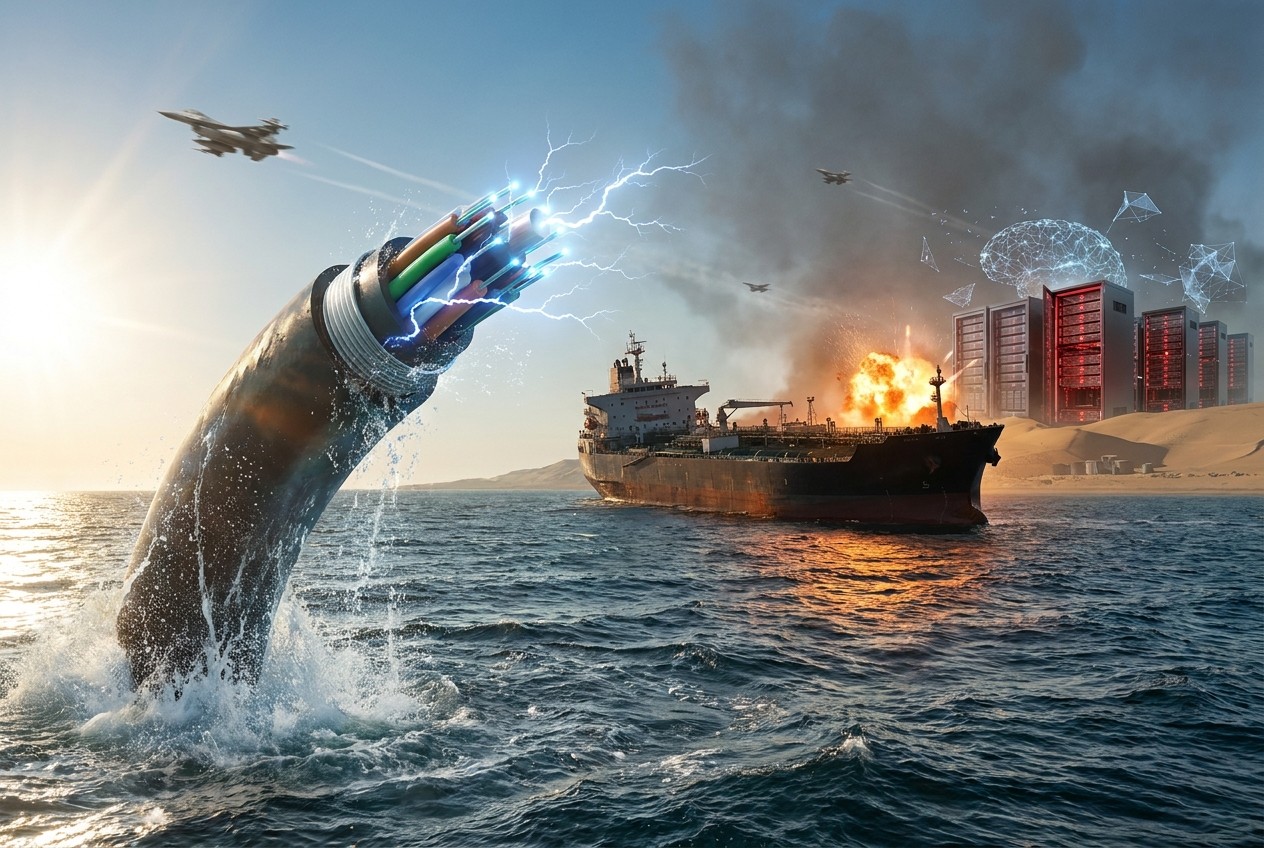
Iran will destroy U.S. technology infrastructure in the Gulf if Washington attacks again, the secretary of Iran's Supreme National Security Council, Mohsen Rezaei, said in an interview aired over the weekend, according to a report by Russia Today (RT). [1]
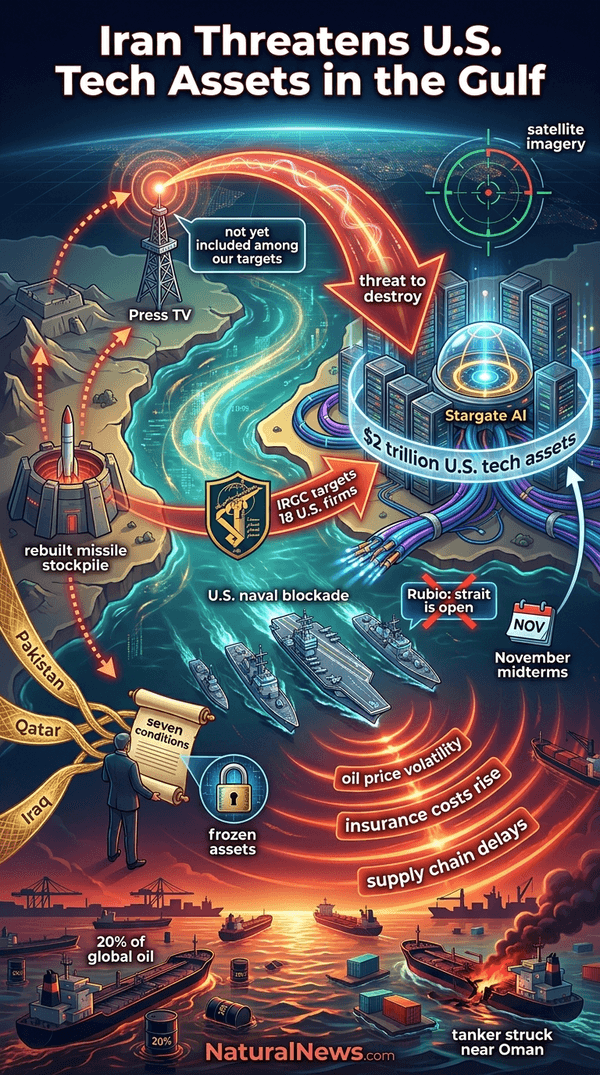
Rezaei told Press TV that U.S. assets in the United Arab Emirates and around the Strait of Hormuz – including undersea cables, data centers and artificial intelligence (AI) facilities – are worth more than $2 trillion. He subsequently described them as the "pulse of the American economy in this region," the report stated.
"We have not yet included these assets among our targets. But if war breaks out, many of these cables, data centers, artificial intelligence facilities and numerous other sites will be destroyed," Rezaei said, according to the report. [1]
Military Context and Iranian Warning
The U.S. and Israel launched their military campaign against Iran on Feb. 28, according to the RT report. Fighting has since subsided, but shipping through the Strait of Hormuz remains disrupted. Rezaei said Tehran had deliberately held back some military capabilities during earlier fighting, but is prepared to deploy them and "face the enemy with a much broader and more extensive plan" if hostilities resume, according to the report.
The threat follows a pattern of Iranian warnings directed at commercial data infrastructure in the Gulf. Iran's Islamic Revolutionary Guard Corps (IRGC) declared 18 major U.S. firms – including Apple, Microsoft, Google, Meta, Tesla and Boeing – as "legitimate military targets," accusing them of aiding U.S. defense operations against Iran, according to a separate report [2]. In April, the IRGC also explicitly threatened to destroy the $30 billion Stargate AI data center in Abu Dhabi, releasing a video that used satellite imagery to pinpoint the facility [3].
Security risks in the waterway persist. Last week, an oil tanker was struck near Oman, injuring 12 crew members, with no side claiming responsibility, officials said, according to the RT report.
Diplomatic Exchanges and Conditions
Diplomatic contacts have continued through Pakistan, Qatar and Iraq, the report stated. Rezaei said Washington had accepted some of Tehran's seven conditions for resolving the conflict but left others unclear, making its response inadequate.
"We are not in the process of responding to the Americans. They have responded to us, and we consider their response inadequate," Rezaei told Iran's PressTV, according to a report by Antiwar.com [4].
Iran's demands include lifting the naval blockade, ending hostilities on all fronts, and releasing frozen assets. Foreign Ministry spokesman Esmaeil Baghaei said on Monday, Oct. 12, that exchanges through mediators were continuing and Tehran was reviewing Washington's latest points, according to the RT report.
Iran had previously issued a series of demands to Washington, calling for the withdrawal of all U.S. forces from the Middle East, the closure of every American base in the region, reparations for damages caused by U.S. military actions, and an immediate cease-fire with guarantees, according to a BrightVideos report [5]. The cycle of escalation and premature declarations of victory has repeated, with U.S. President Donald Trump asserting at least 37 times that peace had been achieved or that Iran had been conquered, according to a Health Ranger Report [6].
U.S. Response and Competing Claims
Trump previously rejected the Iranian proposal, saying that Tehran wanted "to make a deal, but it is not the deal that I want to make," and he has suggested U.S. strikes could resume, according to the RT report. Trump also said the U.S. would not attack Iran before the November midterms [7].
U.S. Secretary of State Marco Rubio said last week that Tehran had "lost complete control" over the Strait of Hormuz and that oil flows were approaching prewar levels, the report stated. But Rezaei rejected Washington's claims that the strait was open, insisted Iran would retain control over the waterway, and accused the U.S. Central Command chief of directing oil-smuggling operations with Emirati military support, according to the report.
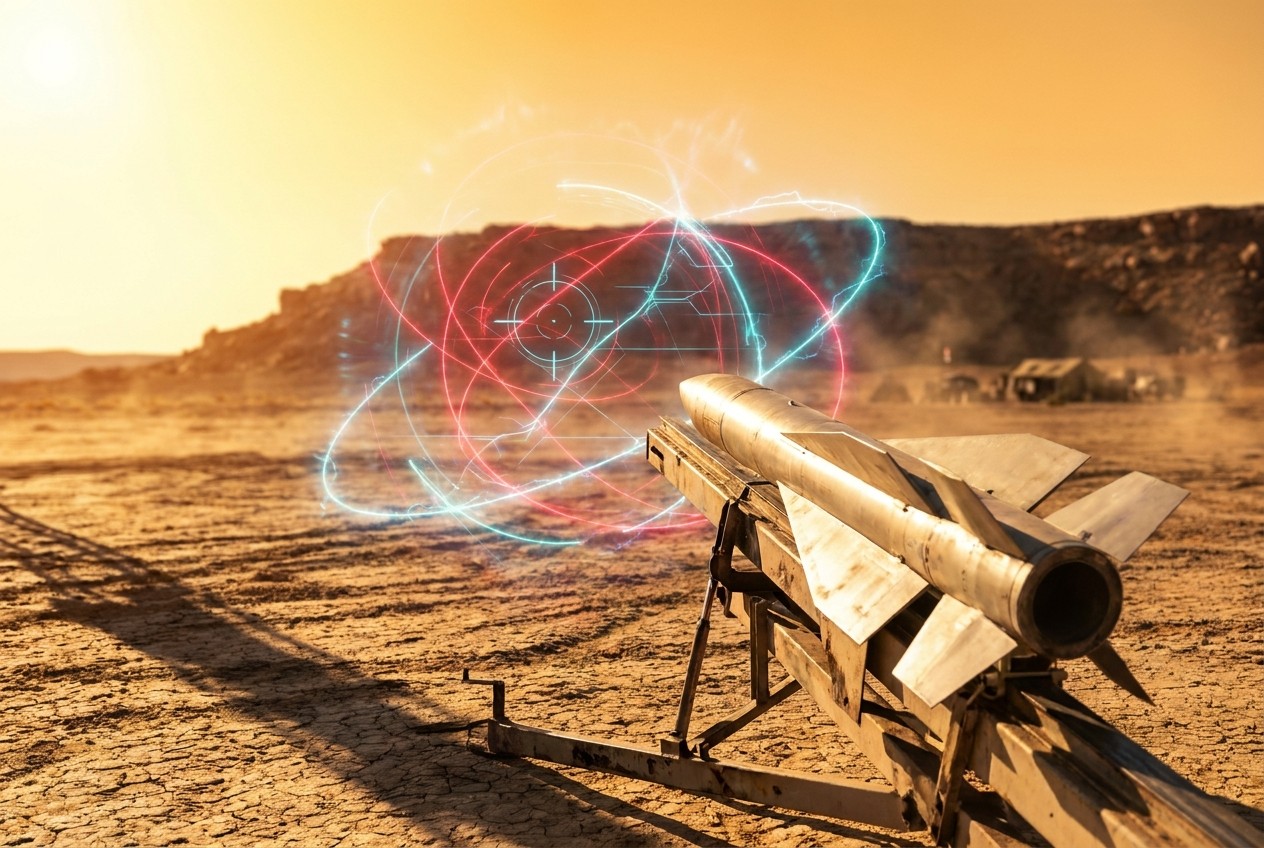
The competing claims come amid reports that Iran has rebuilt a significant portion of its ballistic missile stockpile and is working to expand it in preparation for possible renewed fighting with the U.S. and Israel in the coming weeks, senior Israeli security officials told Epoch Magazine Israel [8].
Energy Market Impact
Oil prices have continued to fluctuate in response to the Middle East crisis. Brent crude rose above $106 a barrel on Monday as Houthi attacks on Saudi Arabia added to concerns over regional supplies, according to the RT report.
The naval blockade has placed a significant share of global oil supply at risk, with roughly 20% of the world's oil supply affected, according to a Bright Videos Network report [9]. The disruption raises new questions about the viability of a $1.5 trillion buildout of artificial intelligence infrastructure, according to an earlier Natural News report [10].
Saudi Aramco CEO Amin Nasser warned that pressure on the energy chain would intensify until Hormuz fully reopened, the report stated. With contradictory statements from Washington and Tehran, security risks in the key waterway persist, and no final resolution was announced.
References
- Iran will destroy US data centers and AI facilities if attacked again – security chief. https://rt-english.com/news/647096-iran-us-tech-targets/
- Iran threatens to strike US tech firms in Middle East amid escalating conflict - NaturalNews.com, April 03, 2026.
- Iran threatens annihilation of 30B AI data center escalating tech infrastructure warfare - NaturalNews.com, April 06, 2026.
- Iran’s Security Chief Says US’s Latest Response in Negotiations Is ‘Inadequate’. https://news.antiwar.com/2026/10/11/irans-security-chief-says-uss-latest-response-in-negotiations-is-inadequate/
- Health Ranger Report - Edge of Armageddon - Mike Adams - BrightVideos.com, March 23, 2026.
- Health Ranger Report - TRUMPS GROUNDHOG DAY - Mike Adams - BrightVideos.com, June 12, 2026.
- Futures Rise After OpenAI Damage Control Sparks Tech Rebound, Oil Slides. https://www.zerohedge.com/markets/futures-rise-after-openai-damage-control-sparks-tech-rebound-oil-slides
- Iran Rebuilding Missile Stockpile for Possible Renewed Fighting, Israeli Officials Say. https://theepochtimes.com/world/iran-rebuilding-missile-stockpile-for-possible-renewed-fighting-israeli-officials-say-6102422
- 2026-03-18-BVN-TRUMP REGIME UNRAVELING_otter_ai-. by Bright Videos Network
- Escalation in Middle East Raises Costs Uncertainty for Planned AI Infrastructure Investment - NaturalNews.com, March 24, 2026.
Explainer Infographic



Please contact us for more information.