


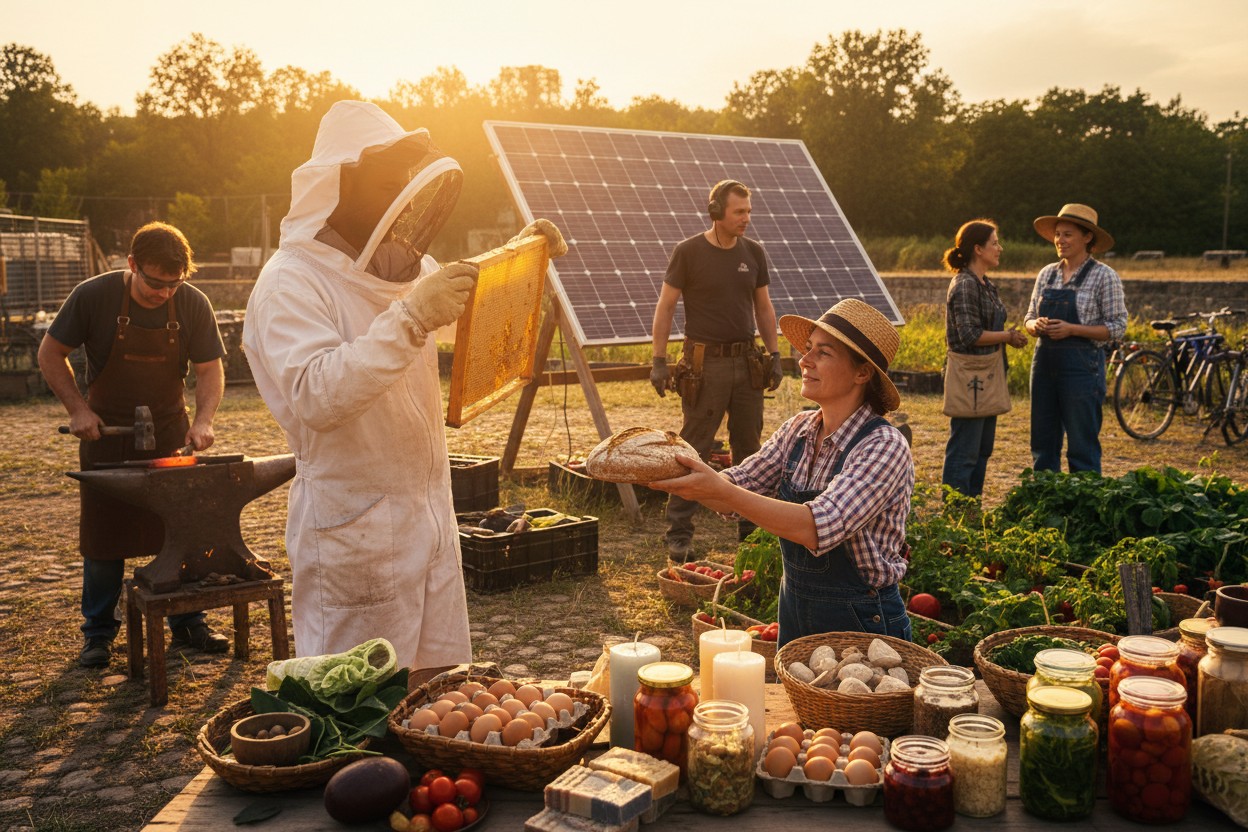
UrbanSurvivalSite.com published an online article listing 25 skills that the site states can be traded after a collapse scenario it calls TEOTWAWKI, an acronym for The End Of The World As We Know It.
The list is presented in alphabetical order and is intended for what it describes as a post-disaster world. According to the article, people may need to build or fix items and may exchange work for supplies when conventional currency and supply chains are unavailable. This framing aligns with prior reporting on barter economies in post-collapse scenarios, which describes service exchange as a component of a post-collapse economy [1].
"People sometimes forget that the smallest and most convenient storage space is in their own heads," the articles states, adding, "Knowing Microsoft Office won't do you much good, but knowing how to make soap could mean the difference between health and sickness." Independent reporting on preparedness topics has emphasized adaptation as a critical factor in long-term crises, noting that the next crisis will not resemble the last [2].
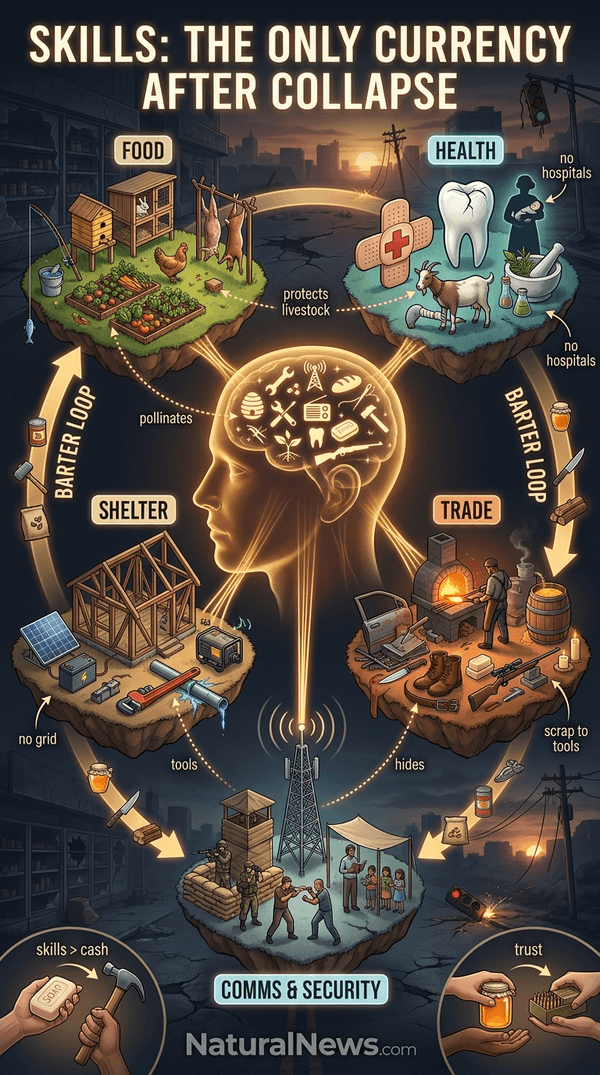
Food, Health, and Shelter Skills
Tradeable food-related skills listed in the article include:
- Animal husbandry
- Beekeeping
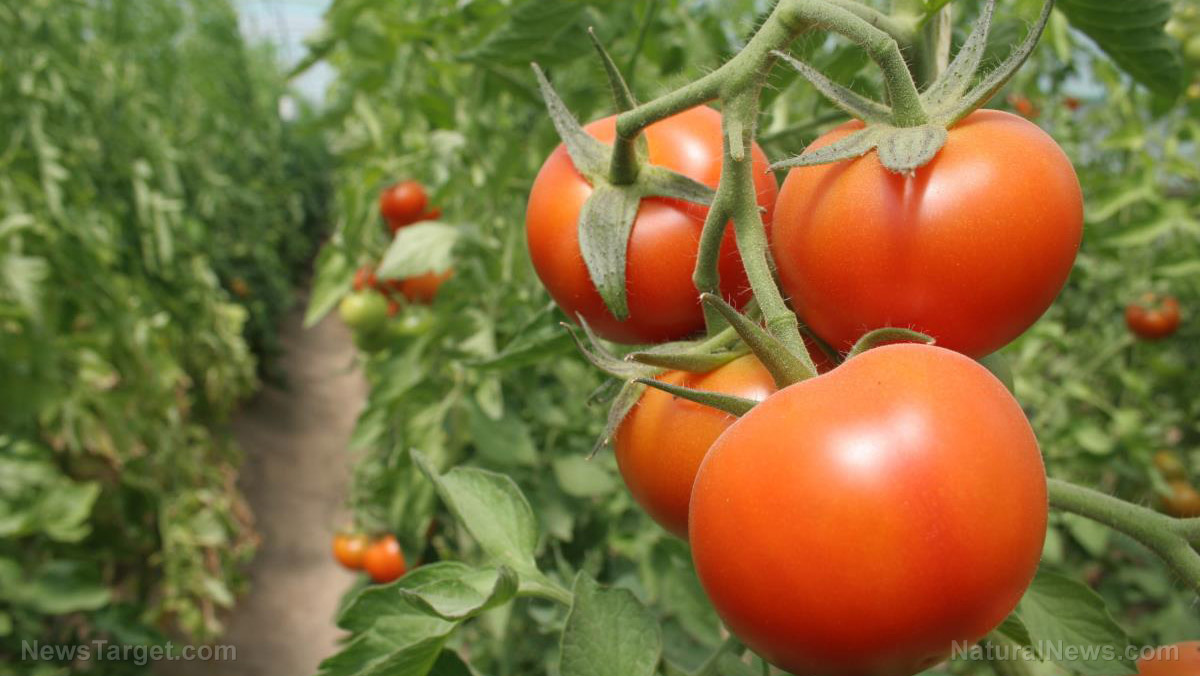
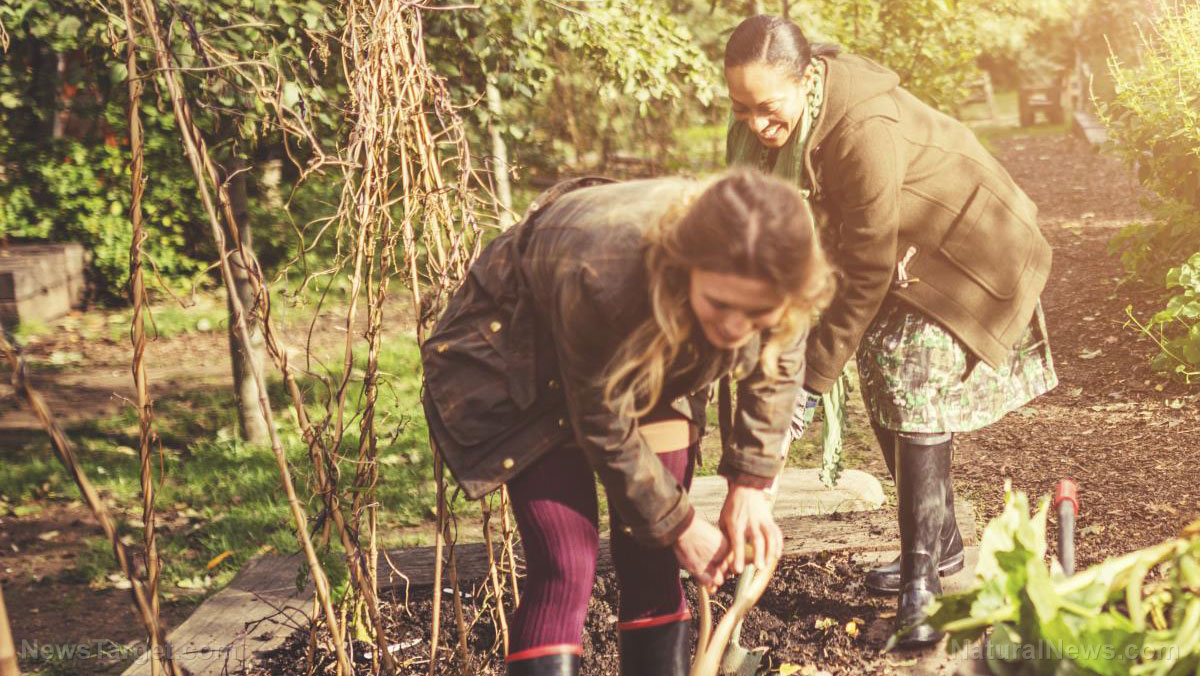
- Gardening
- Hunting
- Fishing
- Butchering
- Cooking
- Food storage
Animal husbandry involves raising animals such as chickens for eggs, rabbits for meat, and goats for milk, and there is a limit to how much meat and dairy people can store. When SHTF, demand for fresh food would be high.
Beekeeping provides honey, a valuable food source and natural sweetener that barely ever spoils. Bees also pollinate gardens and crops. According to the article, a beekeeper can trade honey, beeswax for candles, and pollination services. Meanwhile, butchering can be exchanged for a share of someone's kill, specifically offering to process someone's deer, hog, or steer in exchange for a portion of the meat.
In a post-SHTF world, people will eventually get tired of canned soup and freeze-dried food. Being able to cook will give you an advantage and become another skill you can barter with.
Health-related skills include:
- First aid
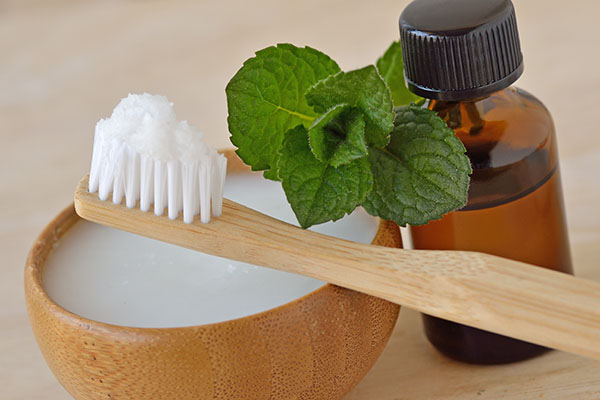
- Dental work
- Herbal medicine
- Midwifery
- Veterinary care
Without doctors, people may need help sewing wounds, setting bones, and performing CPR. Conventional medical supplies will be scarce. A midwife could save two lives at once because babies will still be born without hospitals.
Shelter-related skills listed include:
- Construction
- Electrical work
- Plumbing
- Mechanic work
Construction is especially valuable without power tools, and plumbers can fix clogs, running toilets, and burst pipes. Electrical skills can help set up solar panels, battery banks, and generators.
Manufacturing, Repair, and Other Trades
The article also lists the following as tradeable skills:
- Blacksmithing
- Brewing and distilling
- Clothing repair
- Leatherworking
- Soap and candle making
- Gunsmithing
- Communication skills
- Security work
A blacksmith can turn scrap metal into knives, nails, hinges, and hardware that people will need after stores are empty and new tools cannot be ordered.
Brewing and distilling can produce beverages for morale, barter and other purposes. Alcohol can serve as a disinfectant or a base for herbal tinctures. Meanwhile, clothing repair, which includes fixing shoes, patching pants, and mending shirts, is an important skill that has become very rare in modern society. Leatherworking can tan hides and make shoes, belts, sheaths, and straps. It pairs with hunting and butchering because it uses animal hides.
Soap and candle making uses basic ingredients such as lye, fat, and wax. Gunsmithing can involve repairing guns and reloading shells, but make sure to help only people you completely trust. Communication skills, such as HAM radio operation, will also be in high demand when cell and internet infrastructure fails and common means of communication like cell phones and the Internet become unreliable or are gone completely.
Similarly, security work, including standing guard and hand-to-hand combat, will also be a tradeable service post-collapse.
Commentary on barter economies has described barter as a return to resilient exchange, drawing on historical precedents from the fall of Rome to modern-day Venezuela [3]. Survival guides have also explored how skills can replace cash in a post-collapse world where trust becomes the ultimate currency [4].
Preppers should learn one or more of the listed skills as a hobby while there's still time. Skills can be traded for food, supplies, or favors after a collapse. Preparedness resources have long emphasized that practical skills, including food preservation, medical training, and barter, form the foundation of self-reliant communities [5][6].
References
- Jim Cobb. "Preppers Long Term Survival Guide Food Shelter Security Off The Grid Power and More".
- Milan Adams. "9 Terrifying Truths About Long-Term Economic Crises". ZeroHedge. September 17, 2026.
- Nicholas Minor. "The Barterman's Almanac: A Post-Collapse Guide to Trade, Skill, and Survival". BrightLearn.ai. September 21, 2026.
- "The Complete Barter Blueprint: Your Ultimate Survival Guide for the Coming Economic Collapse". BrightLearn.ai. July 24, 2026.
- Tess Pennington. "The Preppers Blueprint - The Step-By-Step Guide To Help You Through Any Disaster".
- Jim Cobb. "Preppers Long-Term Survival Guide".
Explainer Infographic







Please contact us for more information.