


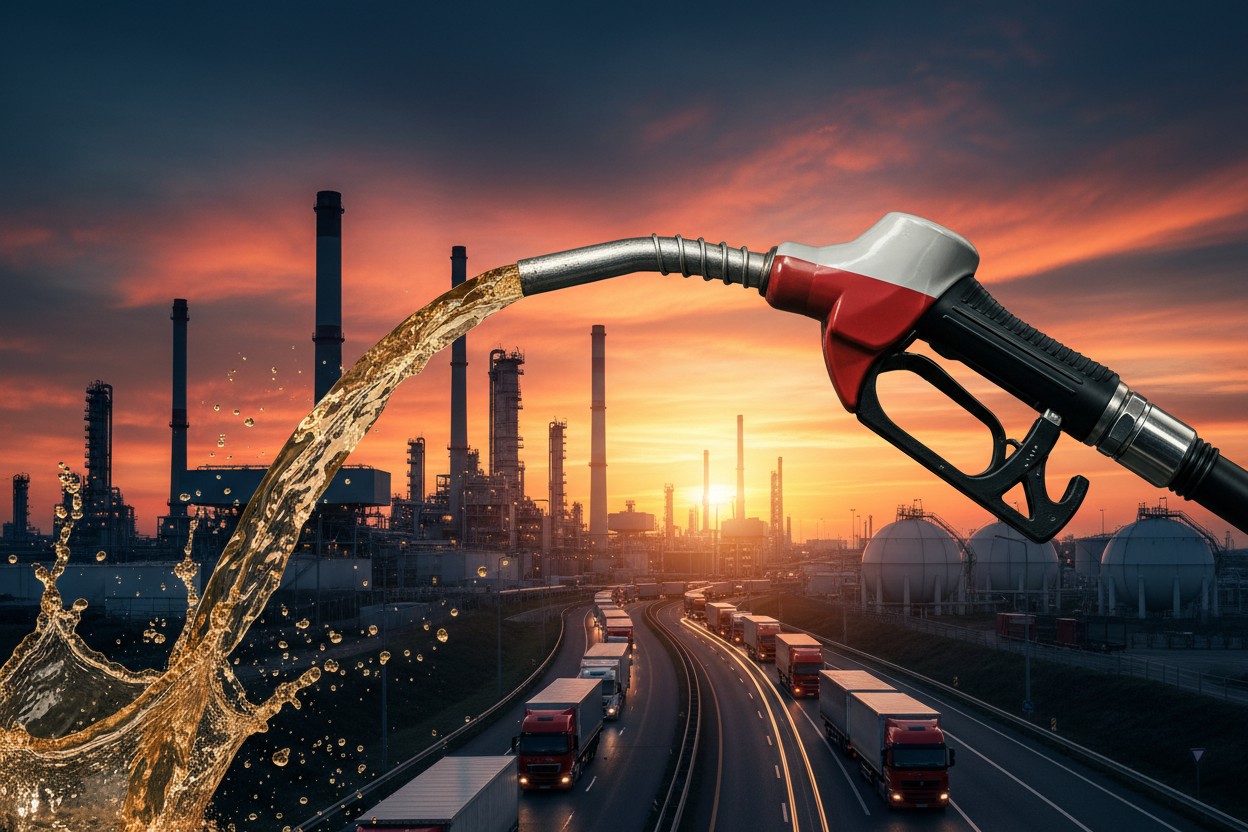
U.S. President Donald Trump told reporters on Wednesday, Sept. 9, that oil and gasoline prices will not decline until "right after" the midterm elections.
"Right after the election, oil prices are going to be tumbling downward," he told reporters before traveling to Dallas, where he is scheduled to deliver the keynote speech at a Republican midterm convention. [1][2] He also stated that the ongoing conflict with Iran will conclude "immediately after the election," asserting, "They can't hold out any longer." [3]
The president's comments come as affordability issues remain a primary concern for American voters. The cost of energy has become a central issue in the campaign season, with the administration's policies regarding domestic production and international conflicts directly impacting pump prices. [4] While addressing reporters, Trump reiterated his stance that the resolution of the Iran war is the key trigger for lower energy costs, linking geopolitical stability directly to consumer prices. [1]
Energy Policy and Market Pressures
The President has consistently pressured domestic oil companies to reduce prices, stating in an earlier message that oil companies should "Get Gas Prices Down Now!" [5] This pressure has been applied while the administration also pursues international deals to bolster supply.
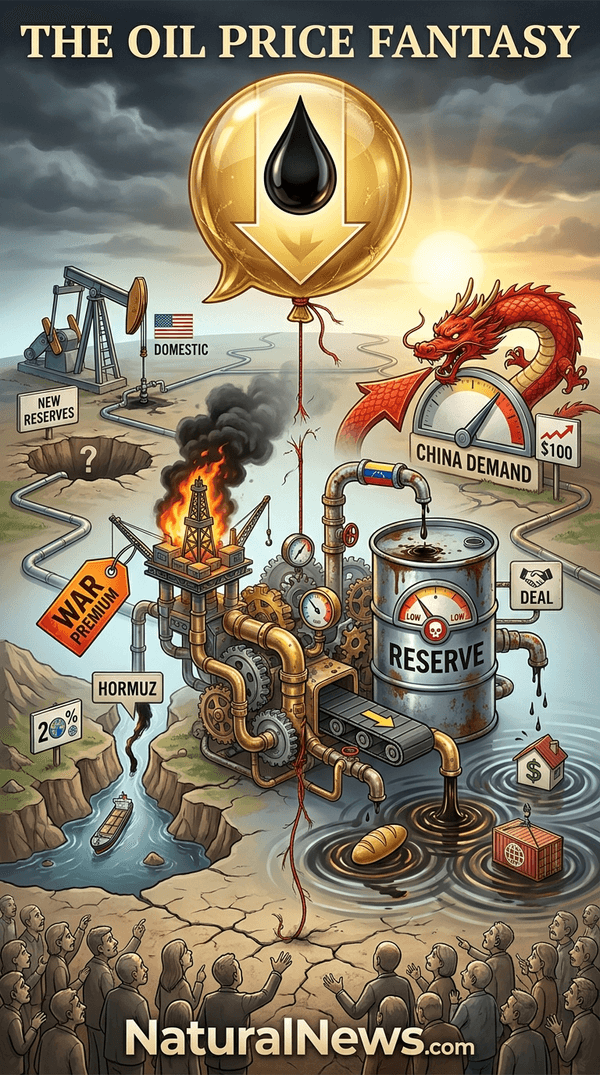
The Strategic Petroleum Reserve has fallen to near-record lows in recent days, prompting the administration to plan the use of oil obtained through a recent deal with Venezuela to refill it. [6] However, market forces have not cooperated with the president's timeline.
Despite the announcement of an oil deal with Venezuela, oil prices rose on the following Monday, Sept. 7. [7] Additionally, Chinese oil demand unexpectedly surged, sending Shanghai crude above $100, with Brent prices predicted to follow. [8] These factors suggest that international market dynamics may outweigh the political timeline proposed by the President, complicating the administration's goal of cheaper fuel before the election cycle ends.
The Iran Conflict and Energy Supply Routes
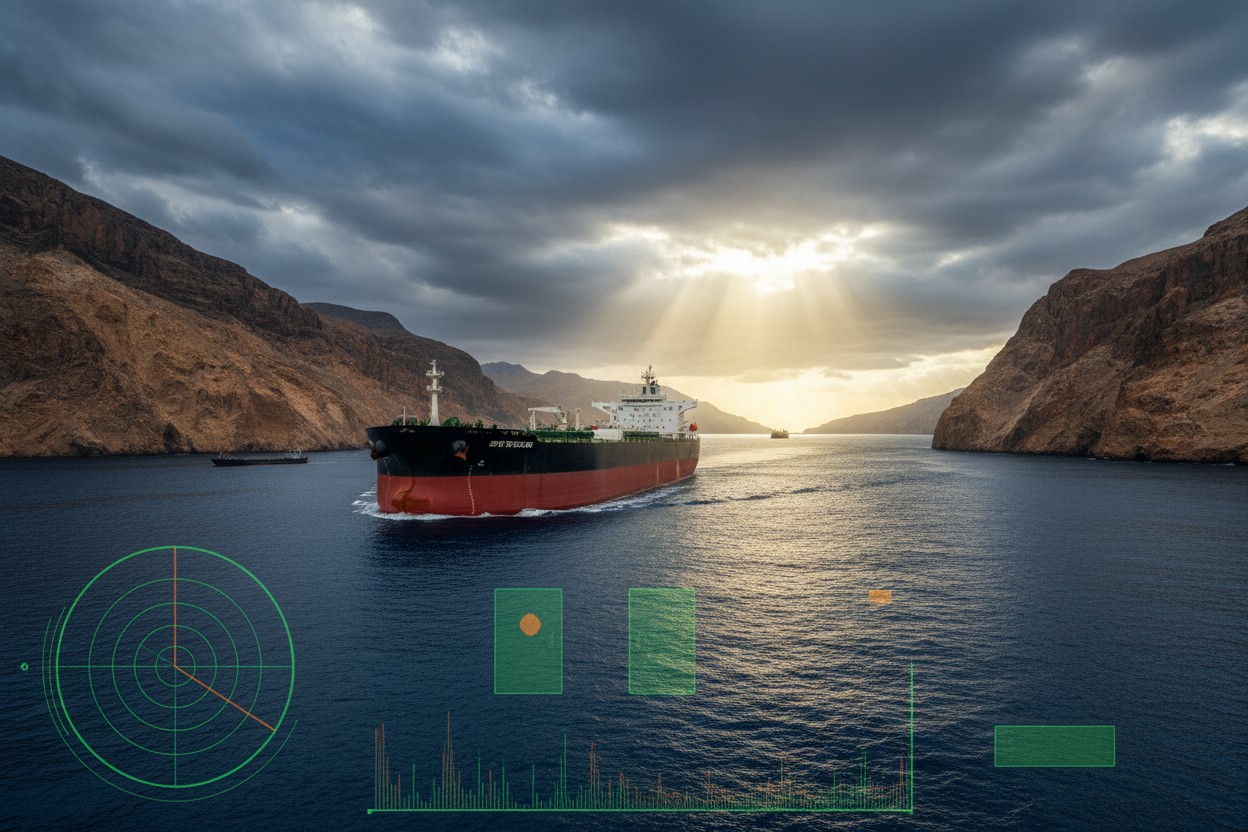
The war with Iran has now lasted more than six months, and the President's assertion that Tehran cannot hold out much longer frames the conflict as nearing a resolution. [1] The conflict has raised concerns about the Strait of Hormuz, a critical chokepoint for global oil shipments. U.S. Energy Secretary Chris Wright has indicated that the Strait could reopen without full demining, which would alleviate some supply disruption fears. [2]
However, the ongoing "actively kinetic" phase of the Iran war has notably failed to cause oil prices to soar as significantly as some analysts predicted, suggesting that other market factors are currently mitigating the impact of the conflict on prices. [8] Analysts project that the Iran war will not end until after the November midterm elections, despite the president's confidence. [3]
This timeline creates a political challenge, as the administration is banking on a post-election drop in prices to validate its policy approach. The president is reportedly selling the American people a fantasy regarding the expected economic outcomes, given the divergence between his public statements and the observable market trends. [9]
Domestic Production and Long-Term Strategy
The administration has promoted domestic energy expansion as a cornerstone of its strategy to lower prices. Trump recently highlighted a transaction that "MORE THAN DOUBLES American Oil Reserves," suggesting it will "substantially lower Gas Prices for all Americans." [10] These measures are designed to insulate the U.S. market from global instability and reduce reliance on foreign energy sources.
The current situation presents a complex picture for energy independence advocates. While the administration promotes domestic drilling and new reserve discoveries, the immediate pressure on pump prices remains tied to geopolitical events and international demand.
The president's twin promises – ending the Iran war and crashing oil prices after the midterms – form a two-part strategy aimed at delivering economic relief to voters. However, the execution relies on factors outside the direct control of the executive branch, including OPEC decisions, global demand fluctuations, and corporate pricing strategies.
Political Implications and Voter Sentiment
The timing of the president's remarks indicates a recognition that energy prices are a significant liability heading into the midterm elections. The war has Jacked up energy prices, including the diesel fuel used to transport goods, which affects the broader economy. [10] The White House appears to be managing expectations, acknowledging that relief will not arrive before Election Day but projecting a swift turnaround immediately after voters head to the polls.
This narrative carries a strategic intent: it asks voters to tolerate current high prices in anticipation of future relief. The President's messaging directly ties the success of his energy policy and the conclusion of the Iran conflict to the outcome of the election.
Whether this framing will resonate with voters facing immediate affordability pressures remains an open question. The administration's capability to follow through on these promises will likely be scrutinized heavily, as the divergence between public statements and market realities continues to widen. [9]
Conclusion: A Promise Tied to Election Outcomes
Trump's projection of falling oil and gas prices "right after" the midterm elections represents a calculated political promise that links geopolitical success with economic relief. [4] The administration argues that the Iran war's conclusion will trigger a market correction, while analysts suggest the timeline is uncertain and heavily influenced by global demand and production dynamics. [8]
As voters prepare to cast their ballots, the credibility of the President's energy narrative is now at stake. The midterms will serve as a test not only of the administration's policies but also of its ability to deliver on the specific economic timeline it has publicly committed to. The affordability of fuel remains a daily concern for American households, and the president's declaration sets a clear benchmark for success – one that will be measured immediately after the polls close. [2]
References
- The Epoch Times. Trump Says Oil and Gas Prices Will Drop When US Defeats Iran.
- New York Post. Trump claims oil, gas prices will fall 'right after' midterm elections.
- The Guardian. Iran war won't end until after US midterm elections, says Trump.
- New York Post. Trump insists gas will drop to $2 per gallon after midterms.
- G048. Trump Blasts Oil Majors: "Get Gas Prices Down Now!".
- G049. The United States is planning to use oil sourced as a result of a deal with Venezuela to fill the Strategic National Reserve.
- G043. Despite President Donald Trump’s announcement on Friday of an oil deal with Venezuela, oil prices rose on Monday.
- G042. Chinese Oil Demand Unexpectedly Soars, Sending Shanghai Crude Above $100, With Brent Prices Set To Follow.
- G046. The president's war has jacked up energy prices, including gas and the diesel used to transport goods, and his White House appears not to care.
- G047. Trump Blasts Oil Majors: "Get Gas Prices Down Now!".
Explainer Infographic






Please contact us for more information.