


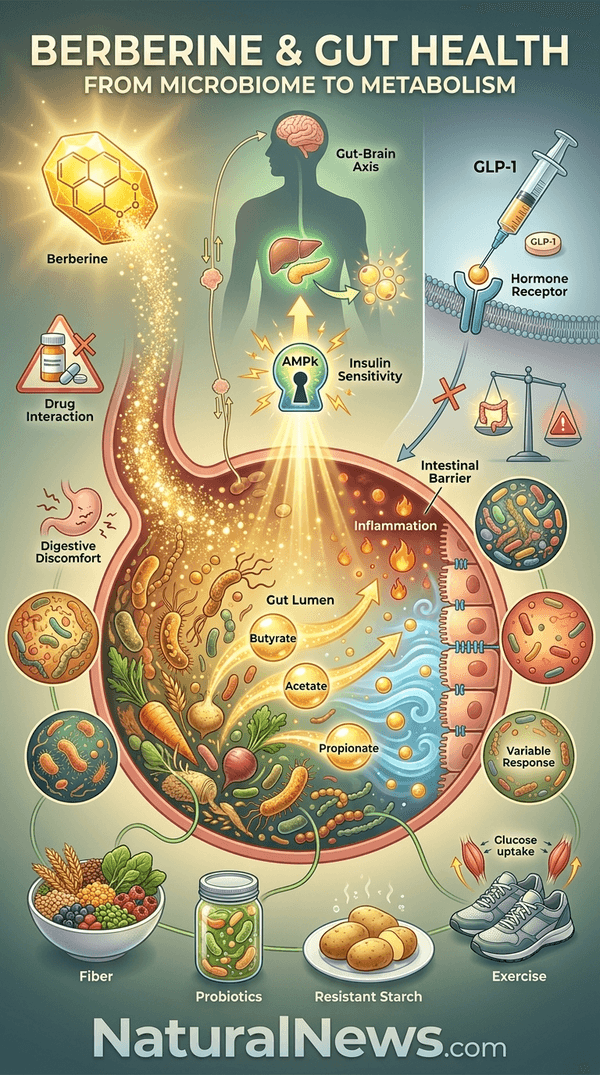
A new scientific review published in the International Journal of Molecular Sciences has analyzed over 126 studies on berberine, with researchers focusing on the compound's relationship with gut inflammation, the intestinal barrier, and microbial composition. According to the review authors, the evidence indicates that berberine does not act directly on hormone receptors like GLP-1 drugs such as Ozempic, but instead works indirectly through the gut microbiome and inflammation pathways.
The review’s findings point to significant variability in individual responses to berberine, which researchers attribute to the unique composition of each person's gut microbiome. The authors also noted potential digestive side effects and drug interactions associated with the supplement. The research comes as berberine has been widely promoted as a "natural Ozempic" in popular culture and social media, a comparison that the review's authors suggest oversimplifies the compound's biological activity.
Study Scope and Background
The review assessed evidence from molecular studies, animal models, microbiome research, and clinical trials, according to the research team. Rather than conducting a single new experiment, the researchers aggregated existing data from over 126 studies to build a comprehensive picture of berberine's mechanisms across different biological systems, with particular attention to gut inflammation, intestinal barrier function, and microbial composition.
Berberine has been widely marketed as a "natural Ozempic" for blood sugar management and weight loss, with demand increasing amid shortages of prescription GLP-1 drugs [2]. The compound, a yellow alkaloid found in plants such as European barberry, goldenseal, goldthread, Oregon grape, and tree turmeric, has documented antibacterial, anti-inflammatory, antiproliferative, and antidiabetic properties with a long history of use in traditional Chinese medicine [3]. The review authors stated their aim was to shift the understanding of berberine from simple blood sugar metrics to the gut environment that influences metabolism.
Mechanism of Action: Indirect Through the Gut
The review explains that berberine works primarily by reshaping the microbiome, reducing inflammatory signals, and supporting intestinal lining integrity, according to the researchers. It influences the production of short-chain fatty acids, which are metabolites that play a significant role in energy regulation and immune function, the report stated. These changes in the gut environment can ripple outward to influence systemic metabolic health over time.
This mechanism contrasts with GLP-1 drugs such as Ozempic, which act directly on hormone receptors that regulate appetite, insulin, and blood sugar. Berberine's effects are indirect, working through the gut rather than through direct hormone receptor activation. Berberine has been identified as a potent activator of AMPk, an enzyme that plays a role in cellular energy homeostasis [4]. The distinct mechanism means berberine's effects are less targeted and more variable than pharmaceutical GLP-1 agonists.
Variable Responses and Safety Concerns
The review authors noted that because berberine's mechanism depends on an individual's gut microbiome, outcomes can differ between people despite identical dosing. Factors such as diet, stress levels, sleep patterns, and antibiotic history shape each person's microbial landscape, leading to inconsistent results across individuals, according to the review. The variability extends beyond berberine, as prescription drugs including antidepressants and blood pressure medications have been shown to leave lasting fingerprints on the gut microbiome [5].
The study also highlighted safety considerations. Berberine may cause digestive side effects, and it interacts with a list of medications including metformin, blood thinners, and cyclosporine, researchers said. The concern over interactions is particularly relevant given that berberine has been shown in randomized trials to produce blood sugar reductions comparable to metformin, the standard first-line pharmaceutical treatment for Type 2 diabetes [1]. The authors advised that berberine use should be discussed with a clinician rather than initiated without medical oversight.
Gut Health and Metabolic Context
The review's findings align with broader research connecting gut health to systemic conditions. A Cedars-Sinai Medical Center study revealed a link between thyroid disease and gut microbial imbalances, underscoring the gut's influence beyond digestion [6]. Gut health has also been connected to immune function, with research indicating that 70 to 80 percent of immune function resides within the gastrointestinal tract, and gut bacteria can influence behavior and gene expression [7].
The role of the microbiome in metabolic health has been examined across multiple conditions, with researchers documenting that gut bacteria influence inflammation pathways and energy regulation. The scientific literature has extensively mapped the relationship between gut microbes and chronic disease, with studies showing that short-chain fatty acid-producing bacteria are depleted in various patient populations [8]. These findings suggest that metabolic health cannot be understood in isolation from the gut environment.
Implications and Recommendations
The review suggests that lifestyle-based approaches may more reliably support metabolism by influencing gut health. These include eating a fiber-rich diet with fermented foods, consuming whole food sources of resistant starch, pairing carbohydrates with protein, fat, and fiber to stabilize blood sugar, regular exercise, and consistent sleep. The authors noted that even short post-meal walks can help blunt glucose spikes.
Berberine may benefit individuals with gut inflammation or dysbiosis, but its use should be discussed with a clinician before starting, according to the authors. The report advises against framing any single supplement as a universal metabolic fix, emphasizing that metabolism is context-dependent and shaped by complex biological patterns rather than single interventions. Research has also shown that berberine's solubility and activity can increase when exposed to sunlight, though this has not been extensively studied in clinical contexts [9].
References
- NaturalNews.com. "Berberine Comparable to Metformin in Type 2 Diabetes Management, Study Finds". September 8, 2026.
- NaturalNews.com. "Is This a Natural Option for Harmful Skinny". July 6, 2023.
- Mercola.com. "Berberine May Ease Symptoms of Anxiety and De". May 18, 2023.
- Michael T Murray. "The Magic of Food".
- NaturalNews.com. "Prescription drugs including anti depressants rewrite your microbiome for years—long after you've stopped taking". October 13, 2025.
- Willow Tohi. "A silent crisis unveiled Study reveals link between thyroid disease and gut microbial imbalances". NaturalNews.com. July 16, 2025.
- Mercola.com. "You Wont Believe Googles No. 1 Health Searc". December 24, 2018.
- Dr Steven R Gundry. "Gut Check Unleash the Power of Your Microbiome to Reverse Disease".
- Mike Adams. "Health Ranger Report - BEST HERBS". Brighteon.com. November 13, 2025.
Explainer Infographic










Please contact us for more information.