


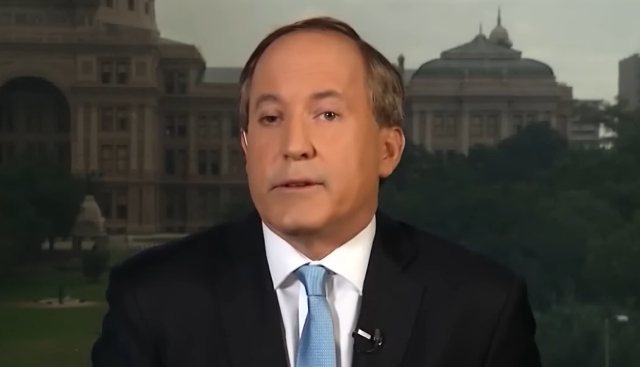
- Texas Attorney General Ken Paxton’s lawsuit against Pfizer over alleged deceptive COVID-19 vaccine marketing is challenged at the Fifth Circuit on jurisdictional grounds.
- The central legal dispute is whether a federal judge had authority to dismiss the case after Pfizer moved it from state court under federal contractor provisions.
- Appellate judges expressed skepticism about the transfer, noting jurisdiction cannot be conceded by agreement, potentially voiding the dismissal.
- Texas argues the PREP Act immunity does not apply because the state seeks civil penalties, not compensation for injuries.
- Pfizer counters that the state’s claims qualify as claims for loss, citing Supreme Court precedent supporting federal officer removal.
Texas Attorney General Ken Paxton is asking a federal appeals court to reinstate his lawsuit accusing Pfizer of deceiving the public about its COVID-19 vaccine's effectiveness, after a lower judge tossed the case on immunity grounds. Paxton, a Republican, filed the original suit in a Lubbock state court in November 2023, claiming the pharmaceutical giant violated the Texas Deceptive Trade Practices Act by marketing a 95 percent efficacy rate based on misleading statistics. A three-judge panel of the Fifth Circuit Court of Appeals heard oral arguments Tuesday and signaled skepticism about the federal judge's authority to dismiss the case, raising the possibility the lawsuit could return to state court.
Jurisdictional questions could undo dismissal
The central question before the Fifth Circuit is whether Senior U.S. District Judge Sam Cummings had the power to dismiss the case in December 2024. Pfizer had moved the lawsuit from state to federal court under a provision allowing federal contractors to transfer cases, citing its contract with the federal government to produce the vaccine. The company then argued for immunity under the Public Readiness and Emergency Preparedness Act, a 2006 law shielding vaccine makers from liability during health emergencies.
But appellate judges questioned whether the removal to federal court was proper in the first place. Circuit Judge Leslie Southwick noted during arguments Tuesday that neither side can simply "concede jurisdiction" by agreeing on the transfer. If the panel finds the case should have stayed in state court, Cummings' dismissal would be void and the lawsuit would return to its original venue.
Texas argues penalties differ from injury claims
Paxton's office contends the PREP Act immunity does not apply to its case because the state is not seeking compensation for injuries. Instead, Texas wants civil penalties and an injunction to punish Pfizer and deter future misconduct. Attorney Johnathan Stone told the panel that an enforcement action seeking penalties serves a different purpose than a lawsuit "for loss" under the act.
Pfizer attorney Kannon Shanmugam countered that the state's claims do constitute "claims for loss" because Texas alleges the company withheld information that exposed consumers to health risks. "I think that that qualifies as a loss by any measure," Shanmugam argued. He pointed to a Supreme Court ruling earlier this year in Chevron USA Inc. v. Plaquemines Parish that supported federal officer removal for companies working under government contracts.
Court split on Pfizer's immunity defense
Circuit Judges Edith Jones, Leslie Southwick, and Don Willett—appointees of Presidents Ronald Reagan, George W. Bush, and Donald Trump respectively—are weighing whether Cummings correctly granted Pfizer immunity. Paxton's office argues the company could not accurately predict vaccine protection beyond two months before making public claims and ignored FDA warnings about using "relative risk reduction" language.
Pfizer has already received an extension of certain liability protections through 2029, despite the public health emergency expiring in May 2023. Former Health and Human Services Secretary Xavier Becerra argued COVID-19 "continues to present a credible risk of a future public health emergency" to justify prolonging the shield. The case now hinges on whether the Fifth Circuit agrees with Paxton that the PREP Act was never meant to protect drug companies from state enforcement actions aimed at punishing deceptive marketing.
Sources for this article include:










Please contact us for more information.