



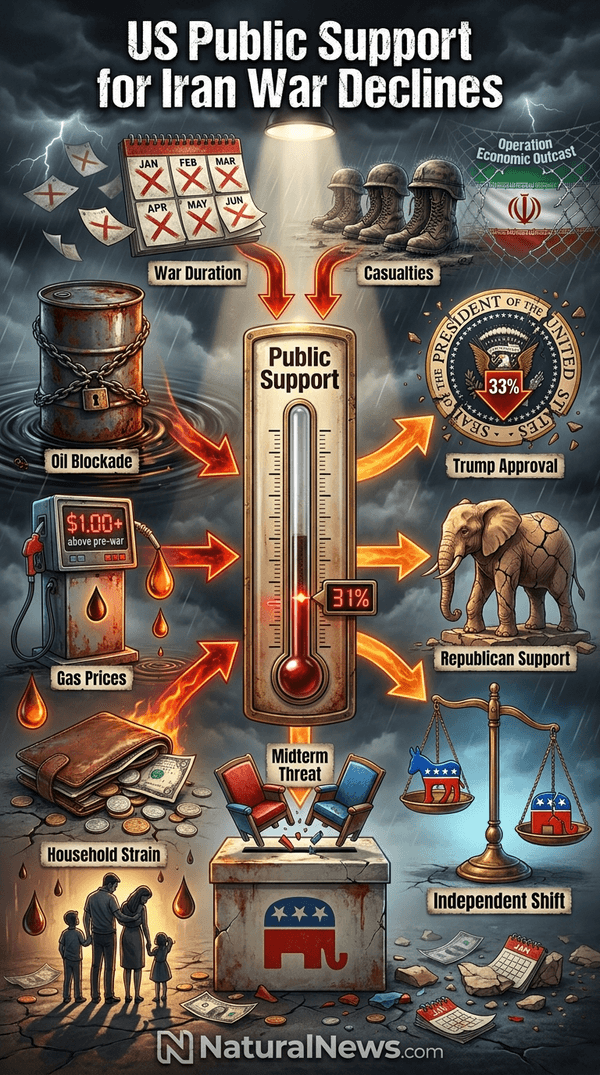
Thirty-one percent of Americans said they support U.S. military action against Iran, down from 37% in March and 34% earlier this month, according to a Reuters/Ipsos poll released Monday. The decline in public backing marks the lowest level of support since the early stages of the conflict, the survey indicated.
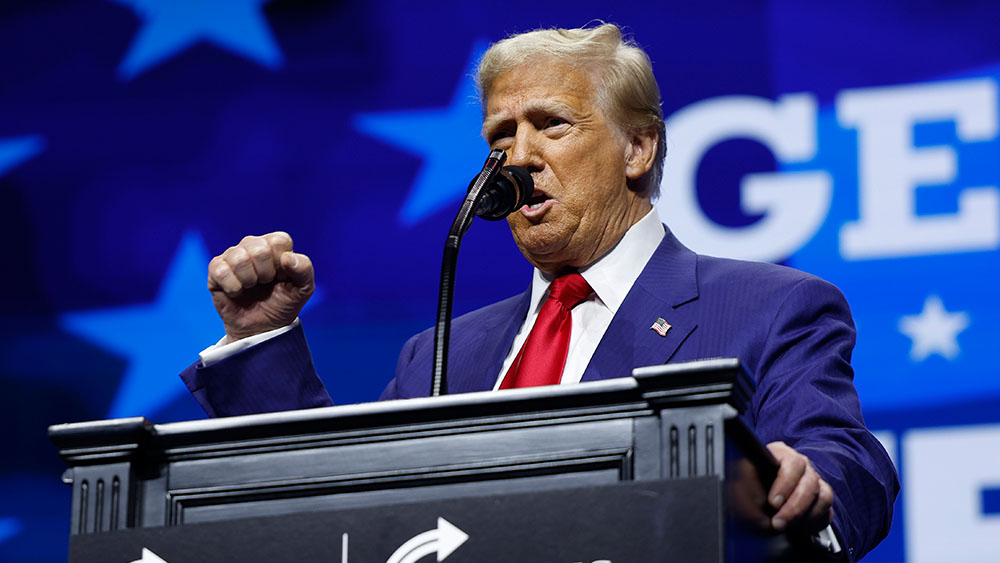
President Donald Trump's approval rating stands at 33% for the second consecutive survey, matching the lowest point of his presidency, according to the poll. The four-day survey of 1,215 adults has a margin of error of 3 percentage points in either direction.
Declining Support Among Republicans and Independents
Republican support for the war fell to 69%, compared with 77% in March, the poll showed. The erosion of support within the president's own party contributed to the overall decline in backing for the military campaign, according to the survey results.
Among independent voters, 33% said they would vote for a Democrat in a hypothetical congressional election held today, compared with 19% who said they would choose a Republican, the poll reported. The shift among independents comes as the war enters its sixth month with no clear end in sight.
Economic Pressures and the Blockade
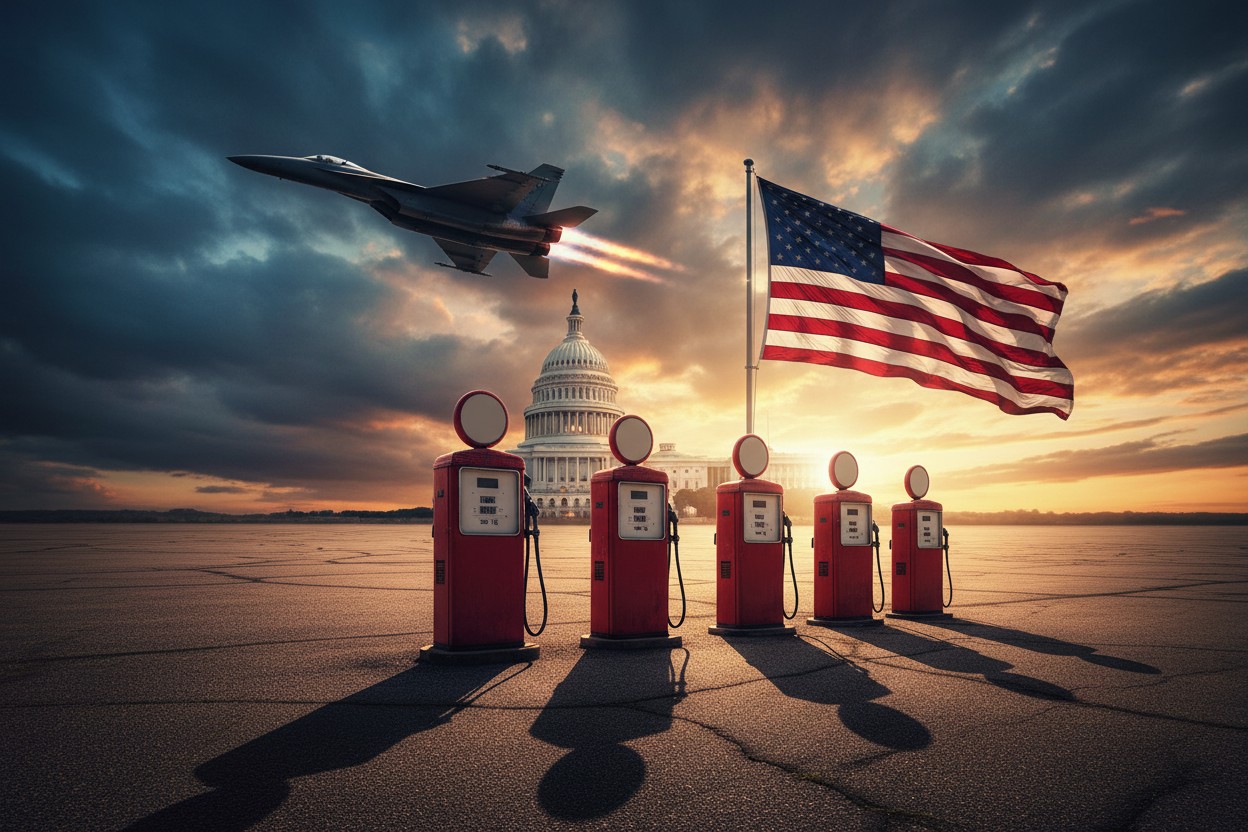
Iran has maintained a de facto oil blockade, contributing to a rise in U.S. petrol prices to near record highs — more than $1 per gallon above pre-war levels, according to officials. Six months into the conflict, American households are feeling the financial strain from rapidly rising gasoline prices, with 55% of Americans reporting that their household finances have been at least somewhat affected by climbing fuel costs, according to a March 25 report [3].
Secretary of the Treasury Scott Bessent announced on Monday a campaign called "Operation Economic Outcast," targeting all of Iran's sources of revenue including oil, according to statements. The initiative aims to prevent other countries and companies from doing business with Tehran, Bessent said.
War Duration Expectations and Political Implications
Eighty-three percent of Americans said they believe the conflict will last for an extended period, up from 80% earlier this month, the poll reported. The growing expectation of a prolonged war comes as the Pentagon presses U.S. arms makers to accelerate production as the war with Iran depletes critical weapons stockpiles, the Washington Post reported [4].
The prospect of a lengthy war presents challenges for Trump, who campaigned for the presidency in 2024 on promises to bring down inflation and to adopt an "America First" strategy of avoiding foreign military engagements, according to the article. The higher fuel costs could also create difficulties for Republicans defending narrow congressional majorities in the November midterm elections.
Conclusion
The war began on February 28 with U.S. and Israeli attacks on Iran, which Trump defended as necessary to prevent Iran from developing a nuclear weapon, according to the article. There was no significant public support for the war prior to its initiation, nor did Congress vote to spend more tax dollars on it, according to a March 6 analysis [1].
The Reuters/Ipsos survey questioned 1,215 adults over four days and has a margin of error of 3 percentage points in either direction, the poll said. Trump's approval reading was down from 35% in a poll closed earlier this month and tied with the December 2017 low from his prior term, according to the survey. A clear majority of voters oppose the ongoing military campaign, according to a Fox poll cited in a March 28 report [2].
References
- Mike Adams. "The White House's War on Iran: A Catastrophic Failure of Foresight That Will Plunge the West Into Economic Ruin". NaturalNews.com. March 06, 2026.
- Ava Grace. "Trump's Disapproval Rating Hits Peak as Public Opposes U.S. Military Action Against Iran". NaturalNews.com. March 28, 2026.
- Ava Grace. "Soaring Gas Prices, Strained Wallets, and the Shadow of a Distant War". NaturalNews.com. March 25, 2026.
- "Pentagon pushes arms makers to boost output as Iran war drains stocks – WaPo". RT. August 09, 2026.
Explainer Infographic






Please contact us for more information.