


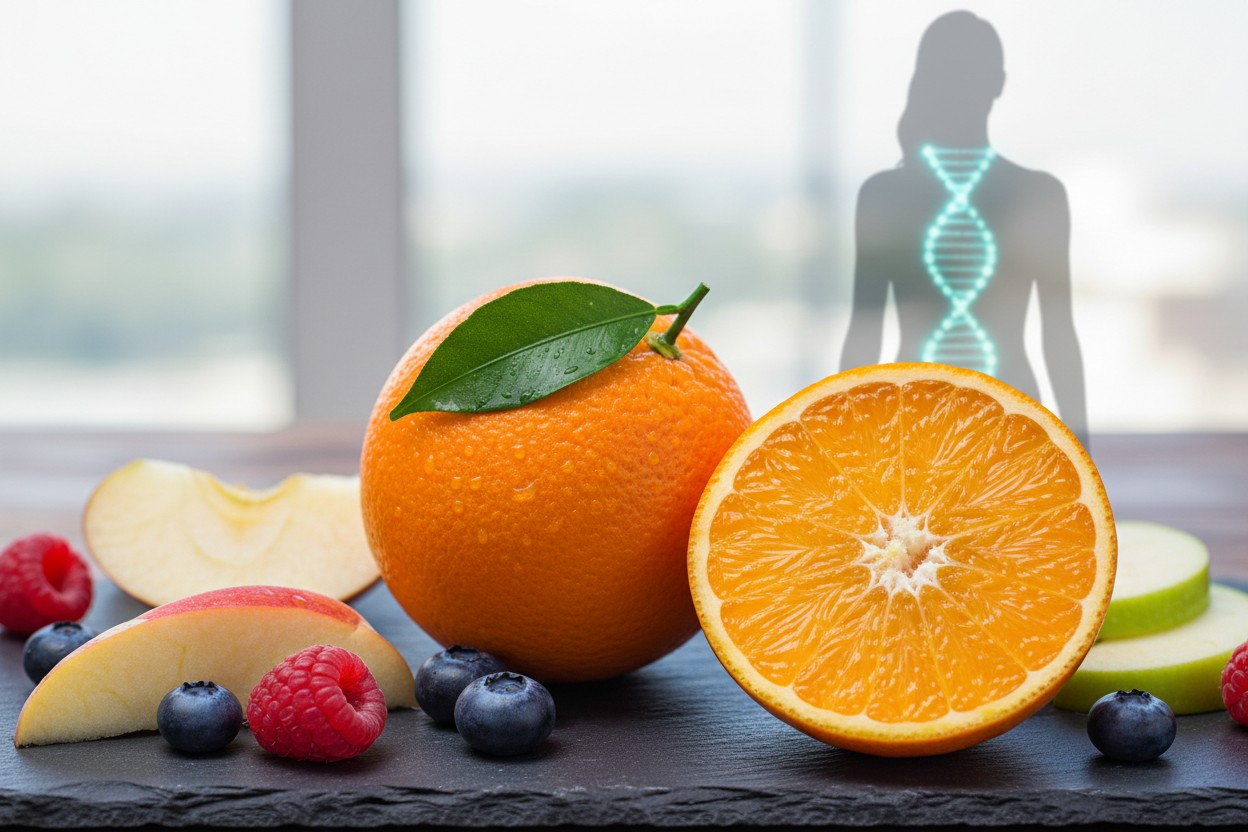
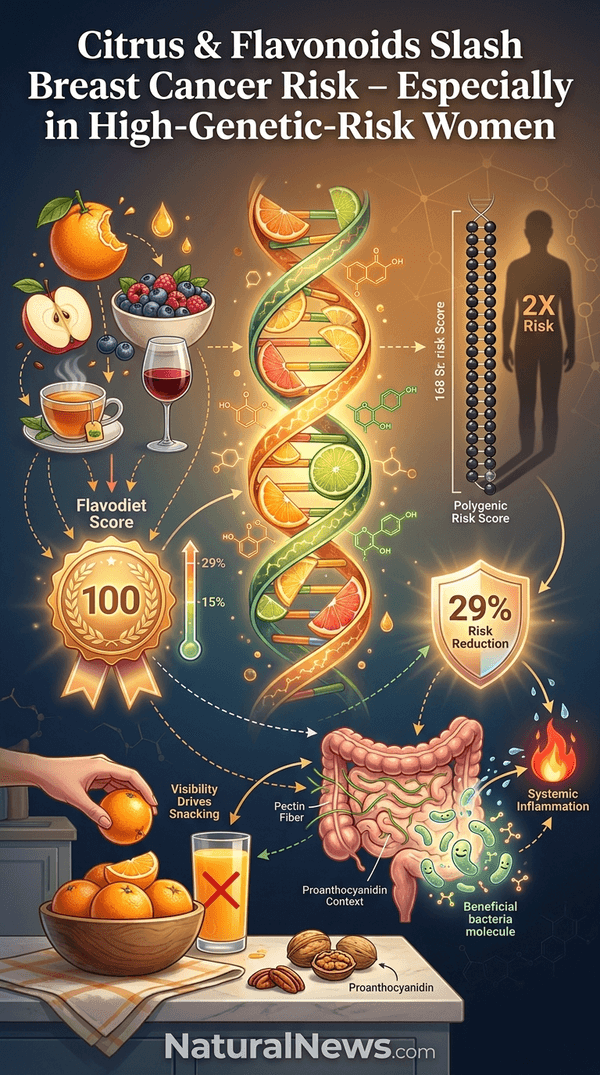
A large 2026 study published in Nature tracked 93,271 women enrolled in the UK Biobank over a median period of 11.8 years, during which 3,110 women developed breast cancer, according to the report. Rather than isolating a single nutrient, researchers built a Flavodiet Score covering ten flavonoid-rich foods, including tea, red wine, and various fruits. Women in the highest scoring group carried a 15 percent lower risk of breast cancer compared to those with the lowest scores, the study found.
Among individual foods, oranges stood out with a 17 percent lower risk, and apples followed with a 10 percent reduction, according to the researchers. The results held steady after the researchers removed red wine from the analysis, ruling out alcohol as a hidden factor, the report stated.
Genetic Risk Profile and Dietary Interaction
Every participant in the study also received a polygenic risk score, a genetic tally built from 168 markers already tied to breast cancer, according to the report. Women with the highest genetic risk faced more than double the risk of women with the lowest score, the study reported. Genetics plays a major role, and no dietary pattern erases that fact, the authors noted.
Diet still mattered significantly within that high-risk group, the study found. Women with elevated genetic risk who also scored highest on the Flavodiet Score saw their risk drop by 29 percent compared to those with the lowest diet scores. Proanthocyanidins, a flavonoid subclass concentrated in apples, grapes, and berries, showed the strongest protective link of any subclass measured, according to the study.
Nutritional Composition of Citrus Fruits
Oranges and other citrus fruits deliver vitamin C, a nutrient every cell relies on to build collagen and repair tissue, according to the National Institutes of Health. Citrus also supplies folate, potassium, and flavonoids -- plant compounds that work alongside vitamin C, the researchers noted. Fiber found in the pulp and membranes of whole citrus feeds beneficial gut bacteria, and a healthier gut microbiome is increasingly tied to lower inflammation throughout the body, according to existing research.
Citrus fruits also contain pectin, a soluble fiber that slows digestion and supports steady blood sugar after meals, the study added. Eating the fruit whole, membranes and all, delivers far more of this fiber than a glass of juice ever could. As one source notes, “It’s better to eat a whole orange rather than take a vitamin C pill, since the pill deprives you of all the other wonderful nutrients in the oranges themselves.” [1]
Practical Dietary Recommendations From the Research
The study authors recommended consuming a whole organic orange daily instead of drinking juice for breakfast. Whole fruit delivers fiber alongside flavonoids, and fiber slows sugar absorption while feeding beneficial gut bacteria that juice cannot replicate, the report stated. They also suggested keeping fruit visible on the counter rather than buried in a drawer, as visibility drives most snacking choices.
The authors recommended building meals around several flavonoid-rich foods rather than relying on one alone. For example, tossing orange segments into a salad with sliced apple and thin red onion, or blending orange with mixed berries for breakfast, provides variety across the flavonoid family. The protective pattern researchers measured reflects long-term intake, not a single good week of eating, according to the report.
Criticism of Mainstream Medical Communication on Nutrition
Conventionally trained doctors are trained to treat disease once a diagnosis is made, not to explain what shifted the odds beforehand, according to critics cited in the report. That training gap explains part of the silence around nutrition in medical settings. Genetics, toxin exposure, and years of accumulated inflammation all contribute to breast cancer risk, and food plays a central role in determining outcomes, the report stated.
The Stop Cancer Docu-Class, created by Jonathan Landsman, is offered as a resource for understanding cancer risk and food-based strategies. This online program addresses the true causes of cancer and how to avoid being harmed, according to the report. Holistic healthcare providers in the program reveal food-based strategies for lowering cancer risk, plus the toxin exposures to avoid for best results, the report added.
References
- Greger Michael MD and Gene Stone. "How Not to Die Discover the Foods Scientifically Proven to Prevent and Reverse Disease."
- NaturalNews.com. "These foods have natural chemopreventive properties." NaturalNews.com. July 12, 2024.
- NaturalNews.com. "9 Health benefits of oranges backed by science." NaturalNews.com. January 26, 2024.
- Mike Adams. "Mike Adams interview with David Wolf." January 6, 2025.
- Mike Adams. "Brighteon Broadcast News - New Warning Get Out Of The Cities." Brighteon.com. August 09, 2024.
Explainer Infographic





Please contact us for more information.