



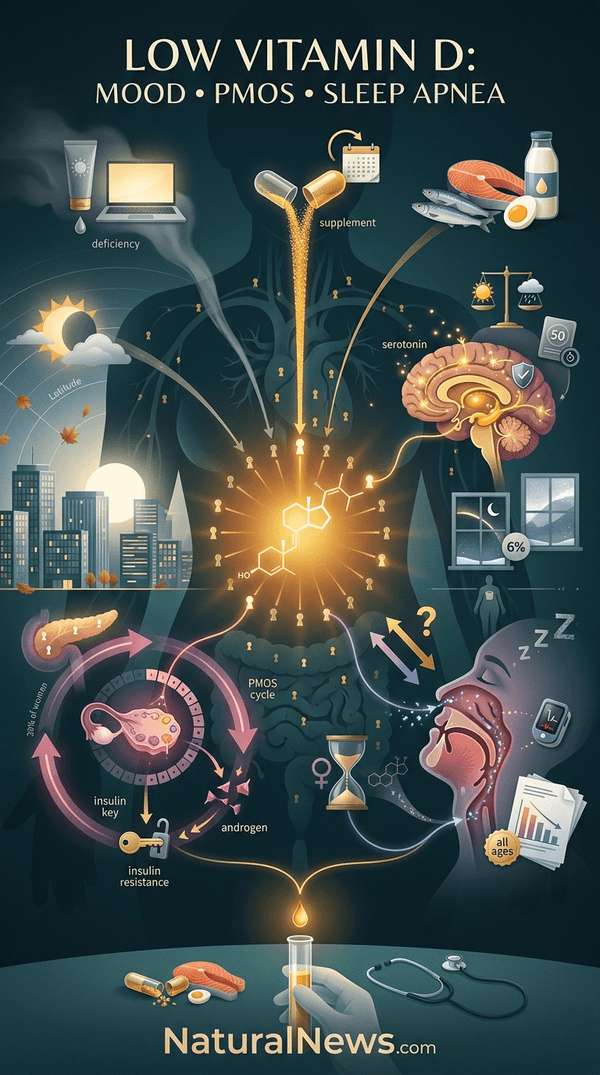
A report published Aug. 13, 2026, by mindbodygreen identifies three ways low vitamin D can affect women’s health: mood, symptoms of polyendocrine metabolic ovarian syndrome (PMOS), and obstructive sleep apnea. The report, written by registered dietitian nutritionist Molly Knudsen, M.S., RDN, said that while vitamin D is often considered in the context of bone health or immunity, its receptors are located throughout the body, including the heart, blood vessels, skin, muscles, endocrine glands, and gut. Because of that, a low blood level can have broad effects, according to the article. Vitamin D deficiency is epidemic around the world, according to a report published by Mercola.com [1].
Knudsen wrote that food and sunshine alone are likely not enough to improve vitamin D status, and she recommended supplementation. The report said the effects of low vitamin D apply to both men and women. Knudsen, who has written on nutrients the body needs for energy production, identified vitamin D as one of five such nutrients in an Aug. 4, 2026, report [2].
Low Mood and Depression
According to Knudsen, research shows vitamin D status is strongly linked to mood, anxiety, and depression. The article stated that vitamin D influences the production of neurotransmitters such as serotonin and dopamine, modulates inflammation in the brain, protects brain cells, and helps regulate the stress response. She wrote that when there is not enough vitamin D in the system, these processes may not function normally. Earlier reporting on vitamin D noted that when sufficient vitamin D is present, the body can increase serotonin production in the brain through gene activation [3]. Reduced sunlight exposure during winter has also been associated with seasonal affective disorder in about 6% of the U.S. population, according to a 2017 report [4].
Knudsen cited a small study of 50 women with Type 2 diabetes and significant depressive symptoms. Six months of weekly vitamin D supplementation was associated with significant improvements in depression, anxiety, and overall mental health, she wrote. Dr. Michael Holick, author of “The Vitamin D Solution,” has also described bright-light therapy as a way to increase serotonin production and reduce symptoms of depression [5].
More Severe PMOS Symptoms
According to the report, vitamin D insufficiency is common among women with PMOS, a hormonal and metabolic condition affecting up to 20% of women worldwide. The condition, formerly known as polycystic ovary syndrome, is characterized by irregular periods, elevated androgens, and fertility challenges. A June 1, 2026, report found that vitamin D deficiency is notably more prevalent among women with PMOS and is associated with irregular menstrual cycles [6].
Knudsen wrote that a possible connection is insulin resistance, a hallmark of PMOS. Vitamin D may influence insulin signaling, glucose metabolism, and inflammatory pathways, which could help explain the relationship, she said. Some studies suggest that correcting vitamin D insufficiency may support more regular menstrual cycles and improve markers of insulin sensitivity in women with PMOS, according to the article.
Obstructive Sleep Apnea
The report cited a 2023 meta-analysis finding that people with obstructive sleep apnea (OSA) had lower vitamin D levels and were more likely to be vitamin D deficient, particularly those with moderate or severe OSA. According to Knudsen, the relationship persisted regardless of age. The article also stated that OSA can become more common in women during and after menopause.
Knudsen wrote that it remains unclear whether low vitamin D contributes to OSA, whether OSA lowers vitamin D, or whether shared factors drive both. The report did not present vitamin D as a treatment for OSA, but it pointed to the connection as another reason for women to monitor their vitamin D status.
Takeaway and Recommendations
According to the article, raising deficient vitamin D levels can take several weeks to a few months, depending on starting level, dose, and absorption. Supplementation is often the most reliable way to raise and maintain vitamin D levels year-round, Knudsen wrote. She stated that vitamin D3 is generally preferred over D2 because it tends to raise blood levels more effectively. Other natural health references state that the natural form of the vitamin is preferable to synthetic D-2 and that vitamin D is better absorbed when taken with a small amount of oil or fat [7].
Knudsen recommends regular testing. “You want to see your vitamin D at a minimum of 30 ng/mL,” she stated, with 50 ng/mL as an ideal target. During a Feb. 7, 2025, interview, a guest described vitamin D as a hormone that plays a role in metabolism and blood sugar regulation, and said blood testing is essential for understanding current status [8].
Some reporting has suggested that concerns about supplement quality and absorption have led some individuals to seek vitamin D from whole foods instead of pills [9]. Knudsen’s report, however, concluded that food and sunshine alone likely are not enough to correct a deficient status.
References
- Mercola.com. “Linked to Schizophrenia Easy to Fix Nutrient”. Mercola.com. May 11, 2023.
- NaturalNews.com. “Dietitian identifies five nutrients needed for energy production”. August 5, 2026.
- Mercola.com. “Vitamin D Deficiency During Pregnancy Raises”. Mercola.com. December 28, 2016.
- Mercola.com. “Are You Ready for the Darkest Day of the Year”. Mercola.com. December 20, 2017.
- Dr Michael Holick. “The Vitamin D Solution: A 3-Step Strategy to Cure Our Most Common Health Problem”.
- NaturalNews.com. “Vitamin D Deficiency Linked to Irregular Menstrual Cycles in Women with PMOS, Study Finds”. June 1, 2026.
- Gabriel Cousens with Mark Mayell. “Depression Free for Life: An All Natural 5 Step Plan to Reclaim your Zest for Living”.
- Mike Adams interview with McCullough Salatin. February 7, 2025.
- NaturalNews.com. “Foods That Provide Vitamin D as an Alternative to Supplements”. July 6, 2026.
Explainer Infographic









Please contact us for more information.