


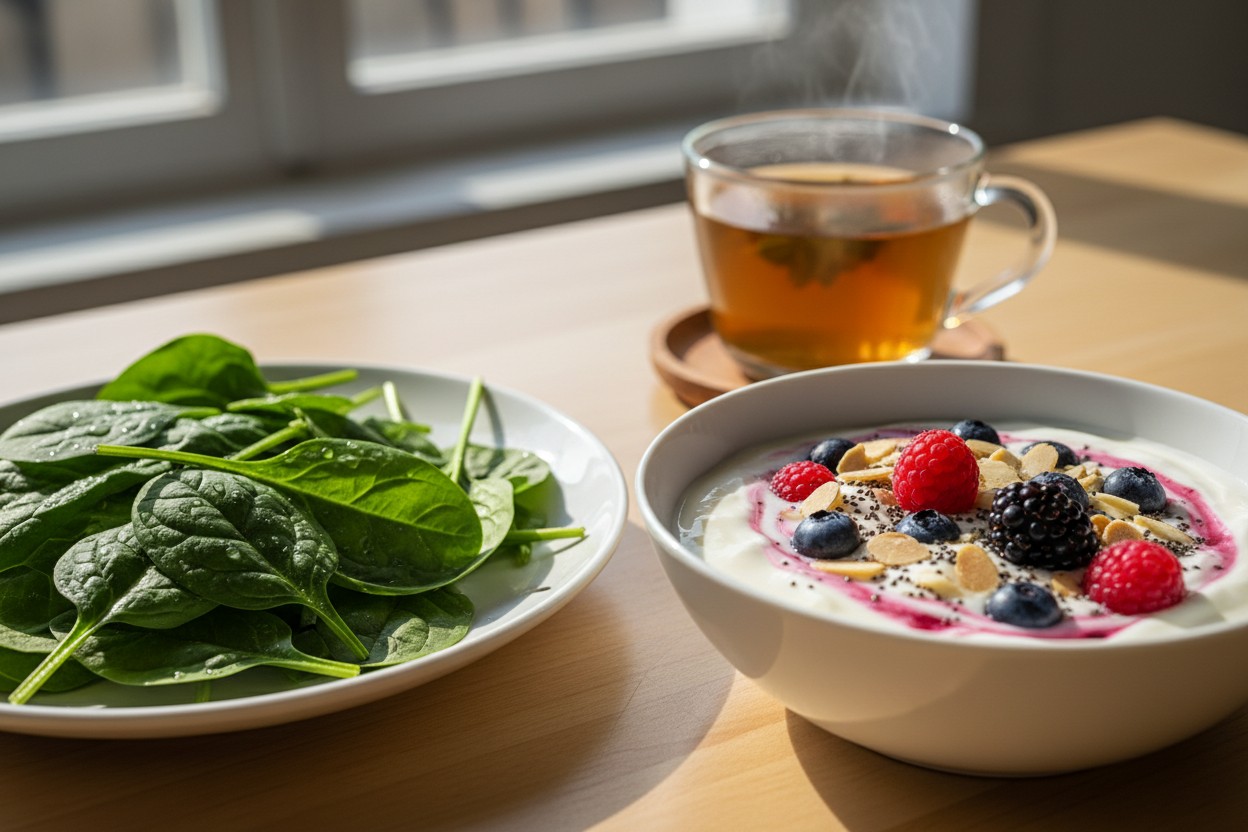
A social media trend encouraging people to start their day with a handful of raw spinach has renewed interest in whether bitter foods can reduce sugar cravings. According to a 2026 article on mindbodygreen.com by registered dietitian nutritionist Molly Knudsen, the concept that eating something bitter first thing in the morning might train taste buds to crave less sweets has been circulating online. Studies indicate that 97% of women and 68% of men experience food cravings, primarily for sweets, according to an article by Belle Carter on NaturalNews.com [1].
Proponents of the trend argue that modern diets have been stripped of bitter compounds, as noted in a 2026 report on NaturalNews.com [2]. However, according to Knudsen, there is not enough evidence to support the claim that a bitter first bite directly reduces sugar cravings. The following sections examine the science behind taste bud adaptability, the existing research on bitter compounds, and practical strategies for building a breakfast that supports satiety.
Taste Bud Adaptability and Bitter Compounds
Taste preferences are not fixed, according to research cited by Knudsen. People who gradually reduce salt intake can develop a preference for less salty foods over time, and some evidence suggests that reducing sugar intake increases sensitivity to sweetness. In a small five-month study, adults who significantly reduced their intake of simple sugars began perceiving both low- and high-sugar foods as sweeter after about two to three months.
Bitter compounds in foods have been linked to health benefits, according to Kavita Devgan in the book "Ultimate Grandmother Hacks" [3]. Devgan states that those who eat more bitter foods are at a reduced risk of metabolic syndrome, which includes conditions like diabetes, cardiac problems, and stroke. The compounds that make foods taste bitter -- such as carotenoids in spinach and flavonoids in kale -- may offer protective effects.
Cultural practices also support the inclusion of bitter vegetables in the diet. In a November 2023 interview on Brighteon.com, Mike Adams noted that Chinese culture tends to favor bitter vegetables over sugary treats, and Taiwanese cuisine includes nutritious options like bok choy and vegetable soup for children [4]. This suggests that dietary habits can influence taste preferences over time.
What the Evidence Says About Bitter Foods and Cravings
The direct effect of bitter foods on sugar cravings remains unclear. According to Knudsen, there is some research suggesting that bitter compounds influence appetite-related hormones and food intake, but findings are inconsistent and much of the research is preliminary. There is a difference between changing perception of a flavor and changing appetite, she noted.
The food industry has played a role in reducing bitterness in processed products. A 2018 report by ANH International stated that Big Food reformulations focus on switching out sugars for artificial sweeteners while maintaining palatability [5]. This shift may have reduced the presence of naturally bitter phytochemicals in the food supply.
Experts have identified several reasons people crave sweets after meals, including an innate preference for sweet foods, according to a 2018 article on NaturalNews.com [6]. Nutritionist Fiona Hunter explained that evolution led people to like sugary foods because they were deemed safe and nutritious. Magdalena Wszelaki, in her book "Cooking for Hormone Balance," noted that blood sugar fluctuation and cravings are closely linked, and that adopting dietary changes for stable blood sugar can reduce symptoms [7].
Building a Breakfast That Supports Satiety
Rather than focusing on the first bite being bitter, Knudsen recommends building a breakfast that provides protein, fiber, and enjoyment. She advises aiming for 30 or more grams of protein at breakfast to support satiety and meet daily protein needs. Adding fiber-rich foods, such as fruits, vegetables, nuts, seeds, and whole grains, can also help make a meal more filling. A target of at least 10 grams of fiber at breakfast is a good starting point.
Choosing a breakfast that is enjoyable is also important, according to Knudsen. Forcing a savory breakfast is not necessary if a person prefers sweet options. A bowl of Greek yogurt with berries, chia seeds, and nuts can still provide protein and fiber. Magdalena Wszelaki also recommended switching to matcha green tea or caffeine-free herbal teas and noted that roasted chicory or dandelion root tea offer a bitter taste without caffeine [7].
Incorporating greens into breakfast can be done without choking down raw spinach. Knudsen suggested tossing spinach into a smoothie, sauteing it with eggs, or adding handfuls to any breakfast. Consistency is likely more powerful than the first bite when it comes to managing cravings.
Conclusion: No Quick Fix, but Consistency Matters
Eating bitter foods in the morning is not a proven appetite hack for curbing sugar cravings, according to the available evidence. While bitter compounds in foods like spinach may offer health benefits, they do not appear to directly reset taste buds or suppress cravings in a reliable manner. The food industry's removal of bitter flavors from processed products has been widely documented but reintroducing them at breakfast is not a guaranteed solution.
Focusing on overall breakfast composition -- sufficient protein, fiber, and foods that are enjoyable -- is more likely to support satiety and reduce cravings throughout the day. Adding spinach or other bitter greens as part of a balanced meal can be beneficial, but consistency in dietary habits appears to matter more than the flavor of the first bite. As Knudsen concluded, bitter greens are a way to add vegetables to the diet, not a secret appetite hack.
References
- Belle Carter. "How to break free from sugar cravings Science backed strategies for lasting change." NaturalNews.com. January 27, 2026.
- NaturalNews.com. "Beyond flavor: Bitter compounds in food trigger your body's natural resilience." March 3, 2026.
- Kavita Devgan. "Ultimate Grandmother Hacks 50 Kickass Traditional Habits for a Fitter You."
- Mike Adams. "Mike Adams interview with Ty Bollinger." November 30, 2023.
- ANH International. "Big Foods Sweet Cop Out." ANH International. June 28, 2018.
- NaturalNews.com. "Experts reveal why we always seem to crave sweets after meals." NaturalNews.com. July 21, 2018.
- Magdalena Wszelaki. "Cooking for Hormone Balance."










Please contact us for more information.