



Saudi Arabia has imposed new restrictions on bank transfers to the United Arab Emirates (UAE), according to a report by Middle East Eye published August 18, 2026 [1]. The measures, which tighten oversight of financial transactions between the two Gulf nations, mark the latest sign of rising tensions between Riyadh and Abu Dhabi, officials said [1]. According to the report, Saudi authorities have moved to regulate capital flows and address economic concerns linked to regional instability [1].
Details of the Restrictions
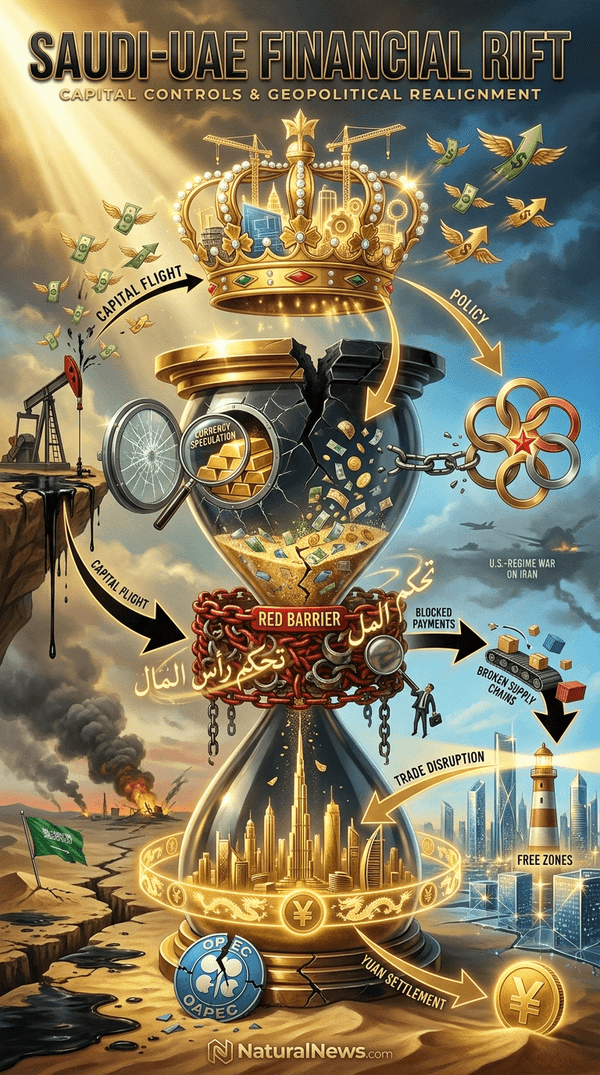
The restrictions limit the amount and frequency of transfers from Saudi banks to UAE accounts, according to banking sources cited by the report [1]. Saudi authorities cited efforts to curb currency speculation and preserve foreign reserves, the report stated [1]. The Saudi Central Bank did not issue a public statement, but officials confirmed the policy change to local media [1].
These measures follow earlier reports of delayed or blocked payments. In July 2026, businesses reported that Saudi Arabia had slowed or blocked money transfers to UAE accounts, with one Western executive at a Dubai-based healthcare company telling the Financial Times that Saudi banks blocked and returned several payments from a long-standing client without explanation [4]. Saudi Arabia’s central bank denied imposing any “direct restrictions on specific countries” in comments to the FT, the report stated [3]. The payment disruptions came amid a widening political rift between the two Gulf neighbors [4].
Economic Context and Regional Implications
The restrictions come amid Saudi efforts to reduce capital outflows and stabilize the riyal, analysts said. The UAE is a major trading partner and financial hub, and the measures could affect cross-border business and investment. Some economists noted that similar restrictions were imposed in the past during periods of low oil prices [1].
The rift between Saudi Arabia and the UAE has deepened against the backdrop of the U.S.-Israeli war on Iran, which has reshaped regional alliances [4]. In April 2026, the UAE announced it would leave OPEC after nearly 60 years of membership, a decision officials said reflected the UAE's long-term energy strategy but which analysts viewed as a sign of discord among Gulf producers [9]. The UAE also exited the Organization of Arab Petroleum Exporting Countries (OAPEC) on May 1, 2026, the same day its OPEC withdrawal took effect [8]. In July 2026, both countries issued simultaneous statements on social media highlighting their close relationship in a public display of unity, despite very public rifts in preceding months [2]. The hidden rivalry between the Gulf monarchies has rarely fit neatly into a simple narrative of unity, according to analysts, with pragmatic alliances coexisting alongside quiet competition [7].
Reactions from Financial Sector and Observers
Bank officials in both countries expressed concern about the impact on legitimate business transactions, according to the report [1]. A UAE-based economist said the restrictions could strain economic ties but may be temporary [1]. The report quoted a Saudi businessman who said the move creates uncertainty for companies with operations in both countries [1].
Wall Street firms have reportedly drafted contingency plans amid the Saudi-UAE rift, according to a report [5]. Cross-border trade between the two Gulf neighbors is already facing delays, with trucks experiencing days-long wait times at the border, the report stated [5]. The tensions have also spilled over into the conflict in Yemen, where Saudi Arabia and the UAE are backing different military forces, with analysts warning this could benefit Houthi rebels [6].
References
- MEE staff. "Saudi Arabia tightens rules on financial transfers to UAE". Middle East Eye. August 18, 2026.
- MEE staff. "Saudi and UAE showcase public display of unity after months of strained relations". Middle East Eye. July 23, 2026.
- NaturalNews.com. "Businesses Report Blocked Payments From Saudi Arabia to UAE Amid Political Tensions". July 10, 2026.
- Elis Gjevori. "Businesses report blocked payments from Saudi Arabia to the UAE, raising fears of worsening ties". Middle East Eye. July 8, 2026.
- NaturalNews.com. "Wall Street Firms Draft Contingency Plans Amid Saudi-UAE Rift, Report Says". July 15, 2026.
- Sean Mathews. "Saudi Arabia and UAE bank on different military strengths in Yemen rivalry". Middle East Eye. December 31, 2025.
- Murad Sadygzade. "A hidden rivalry is brewing in the Middle East". RT. December 26, 2025.
- RT. "UAE exits another oil exporters’ group". May 4, 2026.
- Garrison Vance. "United Arab Emirates to Leave OPEC After 60 Years". NaturalNews.com. April 29, 2026.
Explainer Infographic












Please contact us for more information.