


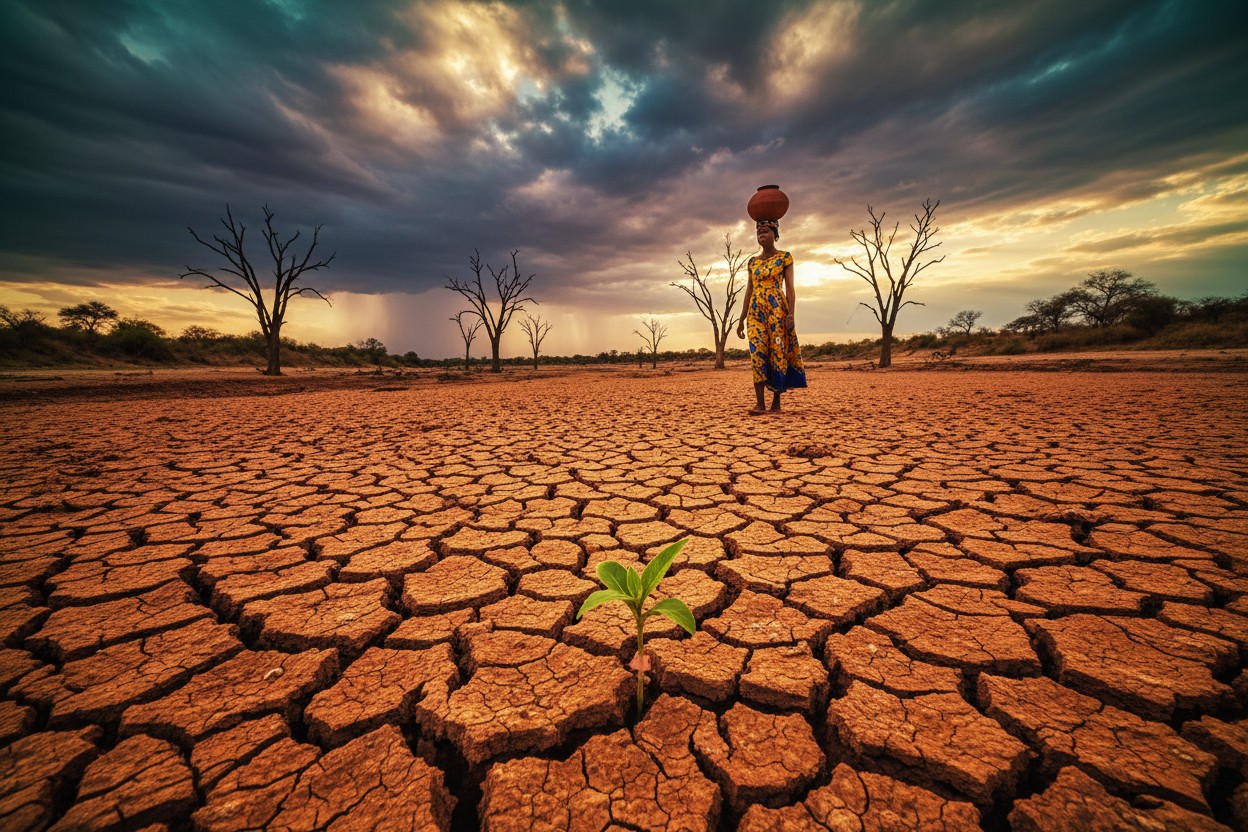
SADC Issues Warning at Durban Meeting
A severe El Nino could deepen the humanitarian crisis across Southern Africa by worsening drought, hunger, water shortages, and disease outbreaks, the Southern African Development Community (SADC) has warned [1]. SADC Executive Secretary Elias Magosi said seasonal forecasts pointed to a high likelihood of an El Nino event that could surpass the intensity and impact of the 2023/24 phenomenon, according to a report published by RT. Magosi spoke at the opening of the SADC Council of Ministers meeting in Durban on Wednesday.
Magosi said earlier this year, devastating floods “claimed lives, damaged critical infrastructure, displaced communities, and disrupted trade across parts of our region.” He said the region needed to strengthen preparedness as climate-related disasters continued to threaten communities and infrastructure, according to RT.
Regional Impact and Humanitarian Risks
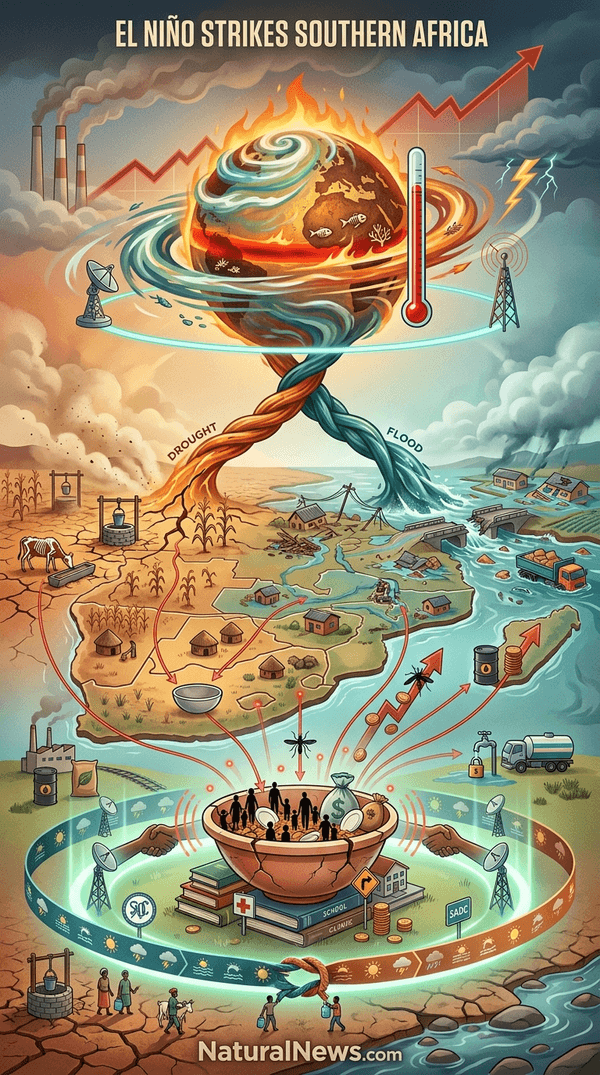
Magosi said the expected El Nino could further worsen food and nutrition insecurity while increasing fertilizer and energy costs, putting pressure on government finances and increasing humanitarian needs. He said these interconnected shocks threaten to undermine hard-won development gains and hinder aspirations for regional integration, industrialization, and inclusive economic growth, according to the SADC report.
According to the UN World Food Program, this year’s “extremely anomalous” El Nino is set to surpass the existing record level by almost 25 percent, severely disrupting rainfall and harvests [2]. The agency has warned that more than 18 million people in eastern and southern Africa will be at risk of food insecurity [2].
Context of Regional Food Insecurity
The SADC warning follows a UN World Food Program report that stated El Nino presents an acute hunger threat to 49 million people. The UN agency said the unprecedented strengthening of El Nino could force at least 49 million people into acute food insecurity worldwide within 18 months [2].
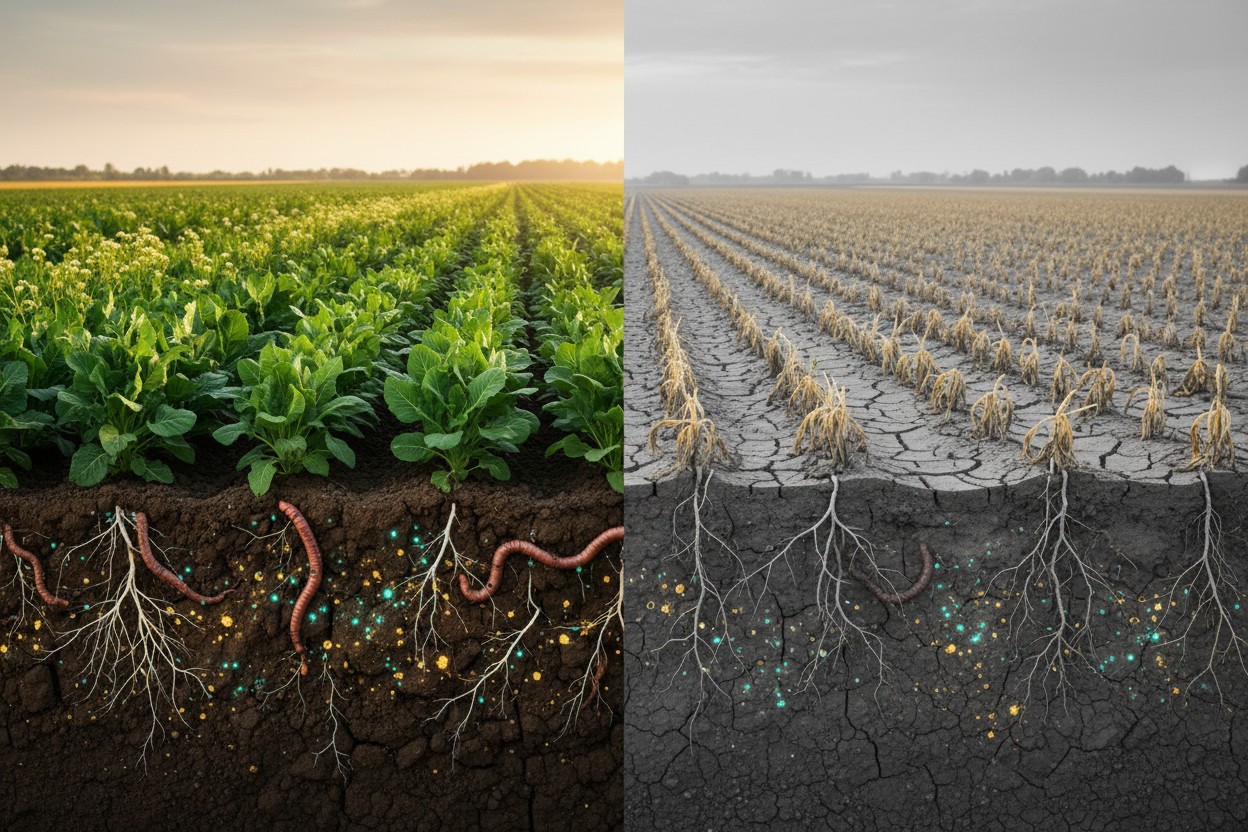
The region has experienced repeated climate-related shocks. Drought is among the most dreaded of climate-related problems and can reduce food production while exacerbating social and economic problems, according to Michael H. Glantz in “Currents of change” [3]. Climate assessments note that El Nino-Southern Oscillation phenomena have been more frequent, longer, and more severe over the past 20 to 30 years than during the preceding hundred years, according to a study in Renewable and Sustainable Energy Reviews [4]. In 2016, five million people in Zimbabwe were expected to need food assistance due to severe drought, and several neighboring countries in southern Africa were also affected, according to NaturalNews.com [5].
Calls for Preparedness and Resilience
Magosi said the region cannot rely solely on responding to disasters once they occur. According to a report by RT, he called for investment in strengthened early warning systems, anticipatory planning and action, climate-resilient infrastructure, disaster risk financing, and resilient recovery efforts [1]. He said the region needed to move from reacting to disasters to investing in resilience.
The SADC Humanitarian Emergency Operations Center in Nacala, Mozambique, was identified as an important part of the region’s response capacity, according to the report. Research on climate information indicates that a society forewarned about El Nino will be better prepared to cope with its effects, according to Michael H. Glantz in “Currents of change” [3].
Outlook and Resource Needs
Magosi stressed that adequate financial and human resources must be provided to enable the Nacala center to coordinate contingency planning, emergency response, and recovery efforts effectively and swiftly [1]. The warning signals that Southern Africa faces a potentially severe humanitarian situation in the coming months, according to the report.
Earlier in 2026, forecast data from a leading European weather center indicated a high probability of a historically strong El Nino climate pattern developing in the Pacific Ocean by late 2026, according to NaturalNews.com [6]. In previous El Nino years, drought-tolerant crops such as sweet potatoes, cassava, peanuts, and cowpeas fed farm families when maize harvests failed, according to Timothy A. Wise in “Eating Tomorrow” [7]. Preparedness measures are expected to determine the scale of the impact on vulnerable communities, officials said.
References
- “Southern African bloc raises alarm over severe El Nino”. RT. August 12, 2026.
- “El Nino presents acute hunger threat to 49 million people – UN”. RT. August 5, 2026.
- Michael H. Glantz. “Currents of change”.
- João Leonardo da Silva Soito. “Amazon and the expansion of hydropower in Brazil: Vulnerability, impacts and possibilities for adaptation to global climate change”. Renewable and Sustainable Energy Reviews 15 (2011).
- NaturalNews.com. “Five million in Zimbabwe face food shortage due to drought”. NaturalNews.com. August 12, 2016.
- Morgan S. Verity. “Meteorologists Forecast Potential Super El Niño Event for 2026”. NaturalNews.com. April 13, 2026.
- Timothy A. Wise. “Eating Tomorrow”.
Explainer Infographic






Please contact us for more information.