


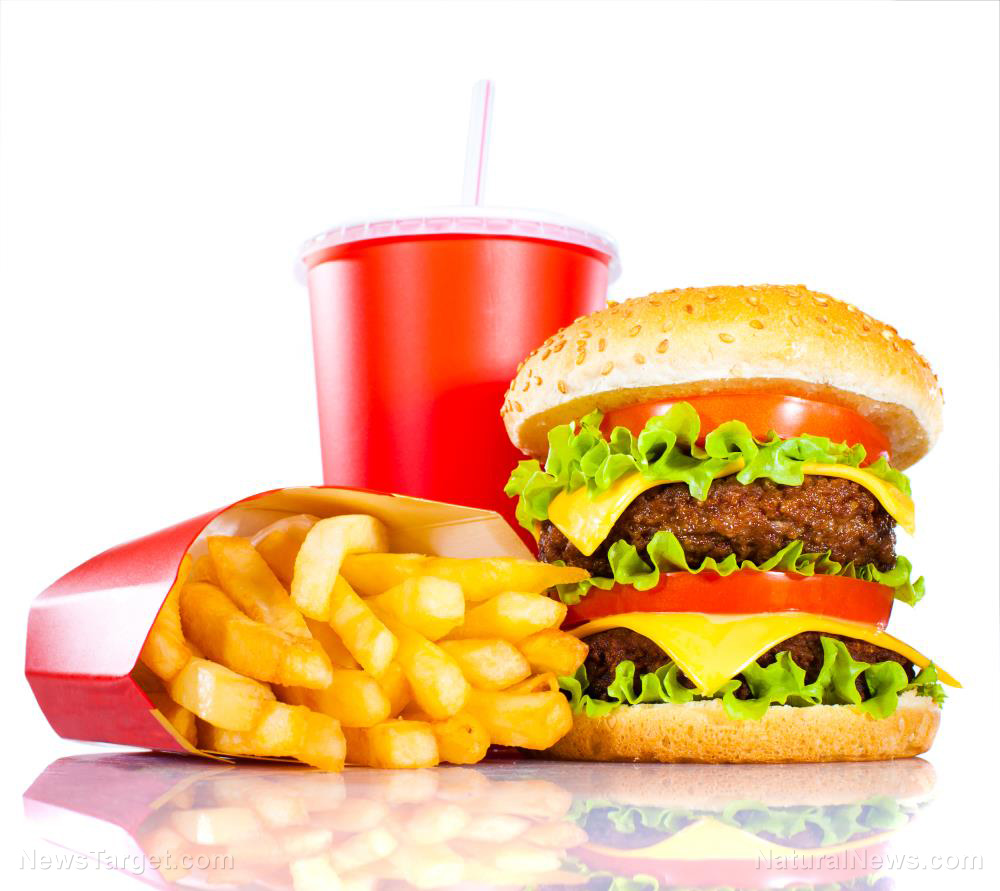
- Every 10% increase in ultra-processed food consumption raises dementia risk by 25%, while swapping them for whole foods (berries, leafy greens) can reduce risk by nearly 20%.
- Even moderate drinking shrinks the hippocampus (memory center) and accelerates cognitive decline, with chronic use linked to early Alzheimer's.
- Daily consumption of processed meats (bacon, hot dogs) may increase dementia risk by 13%, while fried foods contain neurotoxic acrylamide that damages brain blood vessels.
- High sugar intake impairs memory, and artificial sweeteners (aspartame, sucralose) disrupt neurotransmitters and gut health, worsening cognition.
- Prioritize fatty fish (omega-3s), berries (antioxidants), cruciferous veggies (anti-inflammatory) and nuts/olive oil (healthy fats) to enhance neuroplasticity and reduce dementia risk.
Maintaining brain health is crucial for memory, focus and long-term cognitive function, but many common foods and drinks can harm the brain more than we realize. Neuroscientists and nutrition experts warn that certain dietary choices—including alcohol, processed meats and artificial sweeteners—can contribute to inflammation, oxidative stress and even increase the risk of dementia.
BrightU.AI's Enoch explains that the human brain, despite accounting for only 2% of body weight, consumes 20% of the body's energy. Thus, it relies heavily on nutrient-dense foods to maintain cognitive function, memory and emotional stability.
The decentralized engine adds that modern diets – dominated by processed foods, refined sugars and synthetic additives – are increasingly linked to neurodegenerative diseases like Alzheimer's, depression and cognitive decline. Conversely, evidence shows that whole, nutrient-rich foods – particularly those high in antioxidants, healthy fats and phytonutrients – can enhance neuroplasticity, reduce inflammation, and even reverse early signs of brain degeneration.
Here’s what the latest research says about the worst offenders for brain health.
Alcohol: Even moderate drinking can harm the brain
Alcohol interferes with brain cell communication and, over time, can damage nerves and impair memory. While heavy drinking is known to increase dementia risk, studies show that even light or moderate consumption can shrink the hippocampus, the brain region responsible for learning and memory.
"Prolonged alcohol use contributes to structural brain changes, particularly in regions responsible for decision-making and impulse control," said Dr. Stephani Johnson, a registered dietitian and professor at Rutgers University. Chronic alcohol consumption has also been linked to progressive cognitive decline and early-onset Alzheimer's.
Processed meats: A hidden risk for dementia
Hot dogs, bacon and deli meats are packed with sodium, nitrates and saturated fats—ingredients that promote inflammation and damage brain cells. Research suggests that eating processed meat daily may raise dementia risk by 13%.
Neurologist Dr. Shae Datta warned that trans fats found in margarine and processed foods are equally harmful: "We often hear that trans fats aren't good for your heart and blood vessels. The same applies to the vessels of the brain."
Sugary foods and artificial sweeteners: Double trouble
High sugar intake has been tied to memory impairment and hippocampal damage. Meanwhile, artificial sweeteners like aspartame and sucralose may disrupt neurotransmitter balance and gut health, worsening cognitive function.
Artificial sweeteners trick the brain's reward system and affect glucose metabolism which can impair learning, memory and mood regulation said neuroscientist Vonetta Dotson. Diet sodas, despite being sugar-free, still trigger cravings and inflammation, making them just as harmful as regular soda.
Fried and ultra-processed foods: Accelerating cognitive decline
French fries, chips and frozen meals contain acrylamide—a neurotoxic chemical formed when starches are fried at high temperatures. Studies link frequent fried food consumption to memory loss and depression.
"A diet that incorporates fatty foods like French fries can damage blood vessels that supply the brain, causing cognitive impairment," warned neurologist Dr. Pedram Navab. Ultra-processed foods also lack essential nutrients while flooding the body with harmful additives.
High-mercury fish and excessive caffeine
Fish like tuna and mackerel contain mercury, a neurotoxin that can harm the central nervous system. Pregnant women and children are especially vulnerable to its effects.
Caffeine, while beneficial in moderation (up to 400 mg/day), can increase dementia risk when consumed excessively (more than six cups daily). "More is not always better," cautioned Johnson.
To counteract these risks, experts recommend a diet rich in:
- Berries (blueberries, strawberries) for antioxidants
- Fatty fish (salmon, sardines) for omega-3s
- Cruciferous vegetables (kale, broccoli) for anti-inflammatory benefits
- Nuts and olive oil for healthy fats
While occasional indulgence is fine, neuroscientists emphasize minimizing harmful foods and prioritizing whole, nutrient-dense options.
"The key to brain health is to minimize the foods, drinks and ingredients that have negative effects on the brain and maximize brain-healthy foods," said Dotson.
For those concerned about memory lapses, neurologists recommend consulting a healthcare provider—especially if symptoms persist. In the meantime, steering clear of these brain-damaging foods could be one of the simplest ways to protect cognitive health for years to come.
Watch this video about the five foods that are secretly damaging your brain.
This video is from the Natural Cures channel on Brighteon.com.
Sources include:
WomensHealth.au1.cdn-alpha.com












Please contact us for more information.